Trade Schools in Texas: A Complete Guide to Admission, Tuition, Scholarships, and Career Opportunities (2026)

Trade schools have become one of the fastest-growing education options in Texas. As industries such as construction, healthcare, manufacturing, information technology, transportation, and energy continue to expand, employers are looking for skilled workers who can begin their careers quickly. Trade schools, also known as vocational schools, technical schools, or career colleges, provide hands-on training that prepares students for in-demand jobs without requiring a traditional four-year degree.
Many programs can be completed in less than two years, allowing graduates to enter the workforce sooner while often spending less on education than they would at a four-year university.
This guide explains Trade Schools in Texas, including admission requirements, eligibility, tuition, scholarships, rankings, student life, career opportunities, and answers to frequently asked questions.
What Is a Trade School?
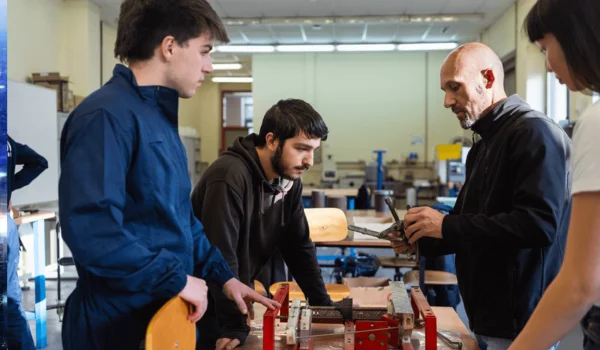
A trade school is an educational institution that focuses on practical, career-oriented training for specific occupations. Unlike traditional colleges, trade schools emphasize hands-on learning, technical skills, industry certifications, and workforce readiness.
Students learn through:
- Classroom instruction
- Laboratory training
- Hands-on workshops
- Clinical practice (for healthcare programs)
- Apprenticeships
- Internships
- Industry certification preparation
Most graduates are ready to enter the workforce immediately after completing their programs.
Why Choose a Trade School in Texas?
Texas has one of the largest and fastest-growing economies in the United States, creating strong demand for skilled workers.
Benefits of attending a trade school include:
- Shorter program length
- Lower education costs compared to many four-year degrees
- Hands-on training
- Career-focused education
- High demand for skilled workers
- Flexible class schedules
- Industry certifications
- Strong employer partnerships
- Internship opportunities
- Faster entry into the workforce
Many trade school graduates begin earning competitive salaries shortly after graduation.
Best Trade Schools in Texas
Texas offers many respected public technical colleges, community colleges with workforce programs, and private career schools.
Well-known institutions include:
- Texas State Technical College (TSTC)
- Lone Star College
- Houston Community College
- Dallas College
- Tarrant County College
- San Jacinto College
- Austin Community College
- South Texas College
- Amarillo College
- Alamo Colleges District
Students should compare accreditation, graduation rates, job placement services, and program offerings before enrolling.
Popular Trade School Programs
Texas trade schools offer training in many high-demand career fields.
Healthcare
Popular healthcare programs include:
- Vocational Nursing
- Medical Assisting
- Dental Assisting
- Pharmacy Technician
- Surgical Technology
- Respiratory Care
- Medical Coding and Billing
- Emergency Medical Services (EMS)
Some programs require clinical training at healthcare facilities.
Skilled Trades
Students can prepare for careers in:
- Electrician
- Plumbing
- HVAC Technology
- Welding
- Carpentry
- Construction Management
- Industrial Maintenance
- Pipefitting
These occupations continue to experience strong demand across Texas.
Information Technology
Technology programs include:
- Cybersecurity
- Computer Networking
- Cloud Computing
- IT Support
- Software Development
- Data Analytics
- Computer Programming
Many programs also prepare students for industry certifications.
Transportation
Trade schools train students for careers such as:
- Diesel Mechanics
- Automotive Technology
- Commercial Truck Driving (CDL)
- Aviation Maintenance
These industries play a major role in Texas’ economy.
Manufacturing
Manufacturing programs include:
- CNC Machining
- Robotics
- Mechatronics
- Industrial Automation
- Quality Control
Advanced manufacturing continues to create employment opportunities throughout the state.
Culinary Arts
Students may study:
- Professional Cooking
- Baking and Pastry Arts
- Restaurant Management
- Food Service Operations
Graduates may work in restaurants, hotels, catering companies, or start their own businesses.
Admission Requirements
Admission requirements vary by institution and program.
Most trade schools require:
- Completed application
- High school diploma or GED (for many programs)
- Official transcripts
- Government-issued identification
- Placement information if required
Some specialized programs, particularly in healthcare, may require:
- Background checks
- Immunization records
- Physical examinations
- Entrance assessments
- CPR certification
Eligibility
Most applicants must:
- Meet the minimum age requirement established by the institution
- Meet academic prerequisites for the chosen program
- Submit required documents
- Complete any program-specific admission steps
International students may have additional documentation requirements.
Tuition and Costs
Tuition depends on factors such as:
- Public or private institution
- Program length
- Residency status
- Required equipment
Students should also budget for:
- Books
- Tools
- Uniforms
- Safety equipment
- Certification exams
- Laboratory fees
- Transportation
Despite these costs, many trade school programs remain more affordable than traditional four-year degrees.
Scholarships and Financial Aid
Many students qualify for financial assistance.
Federal Financial Aid
Eligible students attending approved institutions may apply for grants, work-study opportunities, and federal student loans through the Free Application for Federal Student Aid (FAFSA).
Institutional Scholarships
Many trade schools offer scholarships based on:
- Academic achievement
- Financial need
- Workforce demand
- Community involvement
Workforce Grants
Texas supports workforce development through various grant and training initiatives that may help eligible students in high-demand career fields.
Program availability and eligibility requirements vary.
Employer Sponsorship
Some employers pay for employee training through tuition reimbursement or workforce development partnerships.
External Scholarships
Students can also apply for scholarships offered by:
- Trade associations
- Community organizations
- Nonprofit foundations
- Employers
- Industry groups
Applying for multiple scholarships can reduce out-of-pocket costs.
Rankings
When comparing trade schools, consider:
- Accreditation
- Graduation rates
- Certification pass rates
- Job placement rates
- Employer partnerships
- Student satisfaction
- Laboratory facilities
- Instructor experience
- Career services
- Tuition value
The best trade school depends on your career goals and preferred field of study.
Student Life
Trade school students often participate in:
- Student organizations
- Skills competitions
- Industry conferences
- Career fairs
- Volunteer projects
- Professional networking events
- Leadership programs
Although trade schools focus heavily on career preparation, many also provide academic support and student services.
Hands-On Training
Practical experience is one of the greatest strengths of trade schools.
Students often learn through:
- Simulation laboratories
- Workshops
- Clinical practice
- Apprenticeships
- Employer internships
- Real-world projects
Hands-on experience helps graduates transition smoothly into the workforce.
Industry Certifications
Many programs prepare students for nationally recognized certifications.
Examples include certifications in:
- HVAC
- Welding
- Automotive repair
- Information technology
- Healthcare
- Construction safety
Professional certifications can improve employment opportunities and earning potential.
Career Opportunities
Trade school graduates work in many growing industries.
Construction
Careers include:
- Electrician
- Plumber
- Carpenter
- HVAC Technician
- Construction Supervisor
Healthcare
Graduates may become:
- Licensed Vocational Nurse (LVN)
- Medical Assistant
- Dental Assistant
- Pharmacy Technician
- Respiratory Therapist
Some occupations require state licensure or certification in addition to completing an educational program.
Technology
Technology careers include:
- IT Support Specialist
- Network Technician
- Cybersecurity Technician
- Computer Systems Technician
Manufacturing
Graduates may work as:
- CNC Operator
- Industrial Maintenance Technician
- Robotics Technician
- Quality Control Specialist
Transportation
Popular careers include:
- Automotive Technician
- Diesel Mechanic
- Commercial Driver
- Aviation Maintenance Technician
Many skilled trades offer opportunities for advancement into supervisory or business ownership roles.
Benefits of Trade Schools
Students choose trade schools because they offer:
- Shorter programs
- Career-focused education
- Practical experience
- Strong job demand
- Lower education costs
- Smaller class sizes
- Industry certifications
- Flexible scheduling
- Faster employment opportunities
These advantages appeal to students seeking a direct path into the workforce.
Challenges to Consider
Trade school students should also consider:
- Physically demanding careers in some fields
- Licensing requirements for certain occupations
- Certification renewal in some professions
- Program-specific admission standards
- Variable schedules during clinicals or apprenticeships
Understanding these requirements before enrolling can help students choose the right program.
Future of Trade Education in Texas
Demand for skilled workers is expected to remain strong as Texas continues to grow.
Emerging areas include:
- Renewable energy technology
- Electric vehicle maintenance
- Artificial intelligence support roles
- Industrial robotics
- Smart manufacturing
- Cybersecurity
- Healthcare technology
- Semiconductor manufacturing
- Commercial drone operations
Trade schools continue updating programs to meet changing workforce needs.
Tips for Choosing a Trade School
Before enrolling, compare:
- Accreditation status
- Program reputation
- Graduation rates
- Job placement statistics
- Tuition costs
- Financial aid options
- Industry certifications
- Employer partnerships
- Campus facilities
- Internship opportunities
Visiting campuses and speaking with instructors can help you make an informed decision.
Frequently Asked Questions
How long do trade school programs take?
Many certificate programs can be completed in less than one year, while diploma and associate degree programs often take one to two years, depending on the field of study.
Are trade schools less expensive than universities?
In many cases, yes. Trade schools generally cost less than four-year colleges because programs are shorter and focus on career-specific training.
Can I receive financial aid?
Yes. Eligible students attending approved institutions may qualify for federal financial aid, scholarships, grants, and other assistance programs.
Do trade schools help students find jobs?
Many trade schools offer career services that include resume assistance, interview preparation, employer networking, internships, apprenticeships, and job placement support.
Which trade careers are in high demand in Texas?
Healthcare, skilled construction trades, welding, HVAC, information technology, cybersecurity, advanced manufacturing, transportation, and industrial maintenance continue to be among the fastest-growing career fields in Texas.
Conclusion
Trade schools in Texas provide an affordable, practical, and career-focused pathway for students who want to enter the workforce quickly. With hands-on training, industry-recognized certifications, experienced instructors, and strong connections to employers, these institutions prepare graduates for high-demand careers across healthcare, technology, construction, manufacturing, transportation, and many other industries. Whether you’re a recent high school graduate, a working professional seeking new skills, or someone looking to change careers, Texas trade schools offer flexible educational options that can lead to rewarding employment and long-term career growth. By comparing programs, understanding admission requirements, exploring financial aid opportunities, and choosing an accredited institution, students can confidently invest in a future built on valuable technical skills and real-world experience.