Chili in Texas: History and Recipes – The Ultimate Guide to the Lone Star State’s Signature Dish

Texas chili is more than a hearty meal—it’s a symbol of the Lone Star State’s culinary heritage. Known for its rich beef flavor, bold chili peppers, and slow-cooked perfection, authentic Texas chili has earned legendary status across the United States. Unlike many other chili recipes, traditional Texas chili is famously made without beans, allowing the meat and spices to take center stage.
Whether you’re preparing a pot at home, entering a chili cook-off, or exploring famous chili destinations across Texas, this guide covers the history of Texas chili, authentic ingredients, regional variations, classic recipes, where to try it, preparation tips, nutritional information, and frequently asked questions.
What Is Texas Chili?
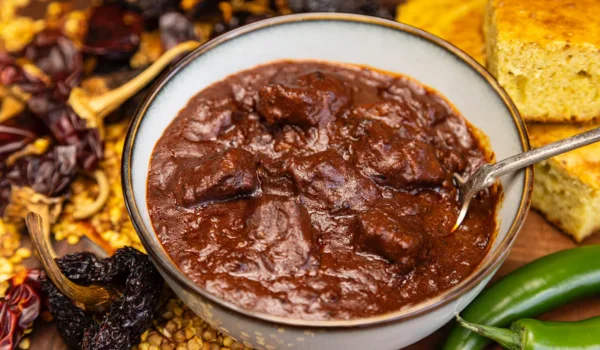
Texas chili, often called “Texas Red,” is a slow-simmered beef stew made with dried chili peppers, spices, onions, garlic, and beef broth. It is characterized by its thick consistency, deep red color, and bold, smoky flavor.
Unlike many versions of chili served elsewhere in the United States, traditional Texas chili generally does not include:
- Beans
- Pasta
- Rice
- Corn
- Tomatoes as the main ingredient
Instead, the focus remains on high-quality beef and carefully blended chili peppers.
The History of Texas Chili
The origins of Texas chili date back to the 1800s when cowboys, ranchers, and settlers needed filling meals that could be prepared over open campfires using simple ingredients.
One of the earliest influences came from “chili queens” in San Antonio during the late 19th century. These women sold bowls of flavorful chili in public plazas, introducing visitors from around the world to Texas’ signature dish.
As cattle ranching expanded, beef became the centerpiece of Texas chili. Dried chili peppers, onions, garlic, and spices were easy to transport and store, making chili an ideal meal for long cattle drives.
By the 20th century, chili cook-offs had become popular community events, helping establish Texas chili as an essential part of the state’s food culture. Today, chili is officially recognized as the State Dish of Texas.
Why Texas Chili Is Different
Authentic Texas chili stands apart because it emphasizes:
- Beef over beans
- Whole dried chili peppers
- Slow cooking
- Rich, concentrated flavor
- Minimal fillers
- Thick consistency
- Bold spice profile
The result is a hearty, deeply satisfying dish that showcases the quality of its ingredients.
Essential Ingredients for Authentic Texas Chili
Traditional Texas chili relies on a handful of simple but flavorful ingredients.
Meat
- Beef chuck
- Beef brisket
- Beef stew meat
- Ground beef (for quicker versions)
Chili Peppers
- Ancho chilies
- Guajillo chilies
- Pasilla chilies
- Chipotle peppers
- New Mexico chilies
Aromatics
- Onion
- Garlic
Liquids
- Beef broth
- Water
- Optional dark beer or coffee for added depth
Seasonings
- Ground cumin
- Mexican oregano
- Smoked paprika
- Black pepper
- Salt
- Cayenne pepper (optional)
Traditional Texas Chili Recipe
Ingredients
- 2 pounds beef chuck, cut into cubes
- 4 dried ancho chilies
- 2 dried guajillo chilies
- 1 large onion, diced
- 4 garlic cloves, minced
- 2 tablespoons chili powder
- 1 tablespoon ground cumin
- 1 teaspoon smoked paprika
- 3 cups beef broth
- 2 tablespoons vegetable oil
- Salt and black pepper to taste
Instructions
Step 1
Toast the dried chilies in a dry skillet for 1–2 minutes, then soak them in hot water until softened. Blend into a smooth paste.
Step 2
Heat oil in a heavy pot and brown the beef in batches.
Step 3
Add onions and garlic, cooking until softened.
Step 4
Stir in the chili paste, chili powder, cumin, paprika, salt, and pepper.
Step 5
Pour in the beef broth and bring to a gentle simmer.
Step 6
Cover and cook over low heat for 2½–3 hours, stirring occasionally, until the beef is tender and the chili has thickened.
Step 7
Taste and adjust the seasoning before serving.
Popular Regional Chili Styles in Texas
Central Texas
Known for:
- Coarsely chopped beef
- Simple seasoning
- Thick consistency
- Rich beef flavor
South Texas
Influenced by Mexican cuisine, South Texas chili often includes:
- Fresh chilies
- Garlic
- Cumin
- Beef cheeks
- Barbacoa-inspired flavors
West Texas
Cowboy-style chili emphasizes:
- Chunky beef
- Mesquite-cooked meat
- Rustic seasoning
- Campfire preparation
East Texas
East Texas versions may include:
- Tomatoes
- Mild spices
- Occasionally beans, reflecting broader Southern influences
Popular Chili Variations
While traditional Texas chili remains the classic, many home cooks enjoy these variations:
White Chicken Chili
Made with chicken, white beans, green chilies, and a creamy broth.
Smoked Brisket Chili
Uses leftover smoked brisket for an extra layer of smoky flavor.
Venison Chili
A favorite among hunters, featuring lean venison and robust spices.
Turkey Chili
A lighter version using ground turkey instead of beef.
Vegetarian Chili
Prepared with beans, lentils, mushrooms, peppers, and vegetables in place of meat.
Best Side Dishes for Texas Chili
Classic accompaniments include:
- Cornbread
- Flour tortillas
- Crackers
- Corn chips
- Shredded cheddar cheese
- Diced onions
- Jalapeños
- Sour cream
- Pickled jalapeños
- Fresh cilantro
Where to Try Authentic Texas Chili
Some of the best places to experience Texas chili include:
San Antonio
Historic Tex-Mex restaurants continue the city’s famous chili tradition.
Austin
Many restaurants serve modern interpretations using premium local beef.
Fort Worth
Known for hearty cowboy-style chili in classic steakhouses and cafés.
Houston
A diverse food scene offers both traditional and creative chili recipes.
Small-Town Chili Cook-Offs
Community cook-offs throughout Texas are excellent places to sample a wide range of authentic chili recipes and learn from experienced cooks.
Texas Chili Cook-Off Tradition
Chili cook-offs are deeply rooted in Texas culture and bring together home cooks and professional chefs to compete for the best recipe.
Judges typically evaluate:
- Flavor
- Aroma
- Consistency
- Appearance
- Meat quality
- Overall balance
These events celebrate community, friendly competition, and Texas culinary pride.
Preparation Tips for Perfect Texas Chili
To make restaurant-quality Texas chili:
- Choose well-marbled beef chuck for tenderness.
- Toast dried chilies before soaking to intensify their flavor.
- Brown the meat thoroughly before simmering.
- Cook low and slow for the best texture.
- Avoid overloading the pot with unnecessary ingredients.
- Taste frequently and adjust seasoning gradually.
- Let the chili rest for 20–30 minutes before serving, allowing the flavors to meld.
- Many cooks find the flavor improves even more the next day.
Nutritional Information
Approximate nutrition per 1-cup serving of traditional Texas chili:
| Nutrient | Amount |
| Calories | 320–420 kcal |
| Protein | 25–30 g |
| Fat | 18–24 g |
| Carbohydrates | 8–12 g |
| Fiber | 2–4 g |
| Iron | 20–30% DV |
| Zinc | 30–40% DV |
| Vitamin B12 | 40–50% DV |
Nutritional values vary depending on the cut of beef, fat content, and recipe.
Healthier Ways to Enjoy Texas Chili
You can make Texas chili lighter without sacrificing flavor by:
- Choosing lean beef or turkey.
- Trimming excess fat before cooking.
- Increasing the amount of onions and peppers.
- Serving with a side salad instead of chips.
- Controlling portion sizes.
- Reducing added salt and relying on spices for flavor.
Why Texas Chili Is So Popular
Texas chili has remained a favorite for generations because it is simple, satisfying, and deeply connected to the state’s history. It reflects the traditions of ranchers, trail cooks, and home kitchens while showcasing quality beef and bold chili peppers. Whether enjoyed at a family dinner, a neighborhood cook-off, or a championship competition, a bowl of Texas chili represents comfort, community, and authentic Texas flavor.
Frequently Asked Questions
Does authentic Texas chili contain beans?
Traditionally, no. Classic Texas chili focuses on beef and chili peppers without beans, although some regional and home-style recipes include them.
Why is Texas chili called “Texas Red”?
The name comes from its deep red color, which is created by dried red chili peppers rather than tomatoes.
What is the best cut of meat for Texas chili?
Beef chuck is the most popular choice because it becomes tender and flavorful during slow cooking. Brisket and stew meat are also excellent options.
What peppers are used in Texas chili?
Ancho, guajillo, pasilla, chipotle, and New Mexico chilies are among the most common peppers used to build flavor.
Can Texas chili be made in a slow cooker?
Yes. Brown the beef and prepare the chili paste first, then transfer everything to a slow cooker and cook on low for 6–8 hours.
What should I serve with Texas chili?
Cornbread, flour tortillas, shredded cheese, diced onions, jalapeños, sour cream, and crackers are classic accompaniments.
Why does chili taste better the next day?
As the chili rests, the spices, beef, and peppers continue to blend, creating a deeper, more balanced flavor after refrigeration and reheating.
Conclusion
Texas chili is more than a beloved comfort food—it is a cornerstone of the Lone Star State’s culinary identity. With its rich history, straightforward ingredients, and unmistakable emphasis on slow-cooked beef and bold chili peppers, it has become one of America’s most iconic regional dishes. Whether you enjoy a traditional bowl of Texas Red, experiment with smoked brisket chili, or sample award-winning recipes at a local cook-off, every spoonful reflects the heritage, hospitality, and bold spirit of Texas. For food lovers and home cooks alike, mastering Texas chili is a delicious way to experience one of the state’s greatest culinary traditions.