Moving to Texas or setting up a new home involves more than finding the perfect neighborhood—you’ll also need to understand how utilities work. Unlike many states, Texas has a unique electricity market in much of the state, allowing many residents to choose their electricity provider. Water, natural gas, internet, and trash services vary depending on where you live, making it important to research your options before moving.
This practical guide explains everything Texas residents need to know about electricity, water, natural gas, internet, utility costs, weather impacts, and how utilities affect your everyday quality of life.
Understanding Utilities in Texas
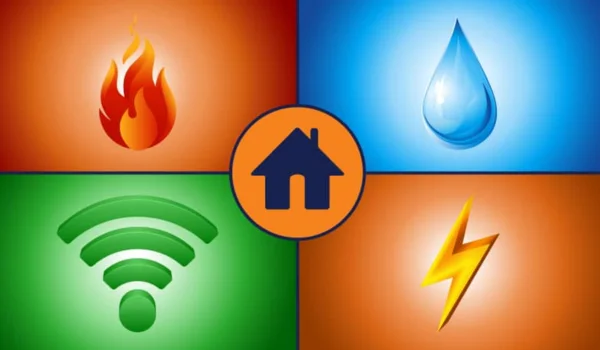
Most Texas households rely on four primary utilities:
- Electricity
- Water and wastewater
- Natural gas (where available)
- Internet and cable services
Additional services often include:
- Trash and recycling
- Sewer
- Stormwater fees (in some cities)
- Home security services
The providers and billing structure depend on your city, county, apartment complex, or utility district.
Electricity in Texas
How the Texas Electricity Market Works
Texas is unique because many residents live in deregulated electricity markets, meaning they can choose their Retail Electric Provider (REP). The company that delivers electricity (the Transmission and Distribution Utility, or TDU) remains the same regardless of which retail provider you select.
However, not every area is deregulated. Some cities and rural areas receive electricity through:
- Municipal utilities
- Electric cooperatives
- Traditional utility companies
If you’re moving to Texas, check whether your address is in a deregulated or regulated service area before choosing a plan.
Types of Electricity Plans
Most providers offer several plan options.
Fixed-Rate Plans
- Same energy rate throughout the contract
- Predictable monthly bills
- Common contract terms from 12 to 36 months
Variable-Rate Plans
- Monthly rates can increase or decrease
- No long-term commitment in many cases
- Bills fluctuate with market conditions
Renewable Energy Plans
Some providers offer electricity generated partly or entirely from renewable sources such as:
- Wind
- Solar
- Hydroelectric power
Texas is one of the nation’s largest producers of wind energy.
Average Monthly Electricity Costs
Costs vary based on home size, insulation, appliance efficiency, and summer temperatures.
| Home Size | Typical Monthly Cost |
| Apartment | $80–$160 |
| Small Home | $120–$220 |
| Medium Home | $160–$300 |
| Large Home | $250–$450+ |
Air conditioning is typically the largest contributor to summer electricity bills.
Water and Wastewater Services
Water service is generally managed by:
- City utility departments
- Municipal utility districts (MUDs)
- Water supply corporations
- Special utility districts
Monthly bills may include:
- Water usage
- Wastewater (sewer)
- Trash collection
- Recycling
- Drainage fees (in some areas)
Average Water Bills
Typical monthly costs:
| Household Size | Average Cost |
| 1–2 people | $40–$70 |
| Family of 3–4 | $60–$100 |
| Larger households | $90–$150+ |
Outdoor irrigation during summer often increases water bills.
Natural Gas Service
Natural gas is commonly used for:
- Home heating
- Water heaters
- Cooking
- Fireplaces
- Clothes dryers
Not every Texas home has natural gas. Many newer homes rely entirely on electricity.
Average Monthly Gas Costs
Typical costs include:
| Season | Average Monthly Cost |
| Summer | $20–$40 |
| Winter | $40–$120 |
Homes with gas heating generally experience higher winter bills.
Internet Services in Texas
High-speed internet is widely available across most metropolitan areas, while rural access continues to improve through fiber and fixed wireless expansion.
Common internet technologies include:
- Fiber-optic
- Cable
- Fixed wireless
- DSL
- Satellite (primarily in remote areas)
Typical Internet Speeds
| Plan | Recommended For |
| 100 Mbps | Small households |
| 300 Mbps | Families |
| 500 Mbps | Remote work |
| 1 Gig | Heavy streaming, gaming, smart homes |
Average Monthly Internet Costs
| Speed | Monthly Cost |
| Basic | $40–$60 |
| Mid-Speed | $60–$90 |
| Gigabit | $80–$120 |
Many providers offer promotional pricing for new customers.
Trash and Recycling
Trash collection is usually provided by:
- City sanitation departments
- Private waste companies
- Homeowners associations
- Municipal utility districts
Many cities include:
- Weekly trash pickup
- Recycling collection
- Bulk waste pickup
- Yard waste collection
Fees are often included with water bills.
Weather and Utility Costs
Texas weather has a significant impact on utility usage.
Summer
Long, hot summers increase:
- Air conditioning use
- Electricity bills
- Water consumption
- Lawn irrigation
Keeping HVAC systems maintained and improving insulation can help reduce costs.
Winter
Although winters are generally mild, occasional cold fronts can increase:
- Heating costs
- Natural gas usage
- Electricity consumption
Preparing pipes and heating systems before freezing temperatures helps prevent damage.
Storm Season
Some regions experience:
- Thunderstorms
- High winds
- Hail
- Tropical systems along the Gulf Coast
Keeping emergency supplies, flashlights, batteries, and backup charging devices is recommended.
Tips for Lowering Utility Bills
Reduce monthly expenses with these practical strategies:
- Set your thermostat efficiently throughout the day.
- Replace HVAC filters regularly.
- Seal air leaks around windows and doors.
- Use LED lighting.
- Install programmable or smart thermostats.
- Wash clothes with cold water when possible.
- Run dishwashers and laundry during off-peak hours if your plan includes time-based pricing.
- Water lawns early in the morning to reduce evaporation.
- Upgrade to energy-efficient appliances when replacing older models.
Utilities and Everyday Living
Reliable utilities play an important role in everyday comfort.
Texas residents benefit from:
- Modern electrical infrastructure
- Expanding fiber internet availability
- Reliable municipal water systems
- Competitive electricity choices in many areas
- Increasing renewable energy production
Understanding your utility options can help you manage your household budget more effectively.
Taxes and Utility Bills
Texas has no state income tax, which helps many residents offset household expenses.
However, utility bills may include:
- Local franchise fees
- Municipal charges
- Utility taxes (where applicable)
- Service fees
- Regulatory assessments
Review your monthly statement to understand each charge.
Healthcare and Utility Reliability
Reliable utilities directly affect health and safety.
Important considerations include:
- Air conditioning during extreme summer heat
- Heating during winter cold fronts
- Refrigeration for medications
- Internet access for telehealth appointments
- Electricity for medical equipment used at home
Residents who depend on electrically powered medical devices should explore available utility assistance or emergency planning resources in their service area.
Transportation and Utilities
Electric vehicles (EVs) are becoming increasingly popular in Texas.
Many homeowners now install:
- Level 2 home charging stations
- Smart charging systems
- Solar panel systems paired with battery storage
Drivers should factor EV charging into their electricity usage when estimating monthly costs.
Quality of Life
Well-managed utility services contribute significantly to a comfortable lifestyle.
Advantages include:
- Reliable electricity in most areas
- High-speed internet in many communities
- Modern water infrastructure
- Multiple energy plan choices in deregulated markets
- Growing renewable energy availability
Challenges may include:
- Higher summer electricity bills
- Weather-related outages during severe storms
- Limited provider choices in some rural areas
- Increased water usage during drought conditions
Moving to Texas: Utility Setup Checklist
Before moving into a new home:
- Confirm whether electricity service is deregulated or regulated.
- Schedule electricity activation before move-in.
- Contact the local water and wastewater provider.
- Arrange natural gas service if needed.
- Choose an internet provider and installation date.
- Ask about trash and recycling schedules.
- Set up online billing and automatic payments.
- Keep emergency contact numbers for all utility providers.
Frequently Asked Questions
Can I choose my electricity provider in Texas?
In many parts of Texas, yes. Residents in deregulated service areas can compare and choose among retail electricity providers. Some cities and cooperative service areas remain regulated and do not offer customer choice.
Why are electricity bills so high during summer?
Texas experiences long periods of extreme heat, and air conditioning often accounts for the largest share of household electricity use.
Is natural gas available everywhere in Texas?
No. While many urban and suburban neighborhoods have natural gas service, some homes—especially newer developments or rural properties—may rely entirely on electricity.
How much does internet cost in Texas?
Most households pay between $40 and $120 per month, depending on the provider, speed, and any bundled services.
Who provides water service?
Water is usually supplied by a city utility department, municipal utility district (MUD), water supply corporation, or another local utility provider, depending on where you live.
Are utility costs lower because Texas has no state income tax?
No state income tax can improve overall household finances, but utility bills are determined by factors such as energy usage, local rates, weather, infrastructure costs, and the services provided.
How can I lower my monthly utility bills?
Using energy-efficient appliances, maintaining your HVAC system, sealing air leaks, conserving water, and choosing an electricity plan that matches your usage habits can help reduce monthly costs.
Conclusion
Understanding utilities in Texas is an essential part of settling into your new home and managing your monthly budget. From navigating the state’s unique electricity market to setting up water, natural gas, and high-speed internet services, being informed helps you make cost-effective decisions. While Texas’ hot summers can lead to higher electricity and water usage, energy-efficient practices and careful plan selection can help keep expenses under control. Combined with the financial benefit of no state income tax, expanding utility infrastructure, and reliable services across much of the state, Texas continues to offer residents a practical and comfortable environment for everyday living.