Texas Data Center Permits Continued After Governor Abbott’s Moratorium, Investigation Finds

Texas environmental regulators continued processing permits and issuing certain approvals for data center-related projects even after Gov. Greg Abbott ordered a pause on September 21, according to an investigation by FracTracker Alliance and Public Citizen.
The findings, published October 19, raise questions about whether the Texas Commission on Environmental Quality (TCEQ) followed the governor’s directive to halt permitting activity while state officials examined the growing data center industry’s impact on electricity supplies and water resources.
The two organizations identified 35 permitting-related actions recorded after the directive. These included applications advancing through review, construction stormwater approvals, air-emissions certifications and public notices for proposed projects.
The findings come as Texas faces growing scrutiny over the rapid expansion of data centers designed to support artificial intelligence (AI), cloud computing and other digital services. Although these facilities can bring investment and economic development, they also require substantial electricity, land and, depending on their cooling systems, water resources.
Why Did Greg Abbott Order a Pause on Data Center Permits?
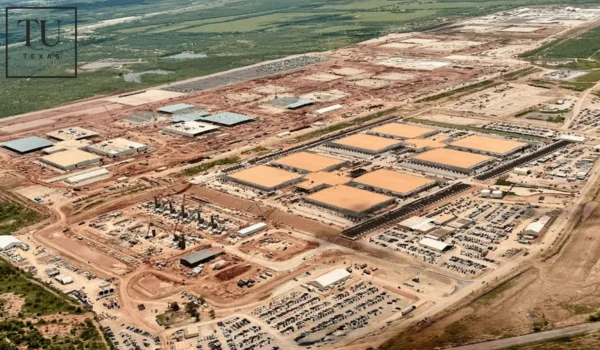
On September 21, 2026, Abbott sent a letter to TCEQ Executive Director Kelly Keel directing the agency to halt permits sought by data centers and pause the issuance of permits related to their development.
According to the governor’s official letter, the pause was intended to give state agencies time to assess the consequences of data center expansion for Texas communities and natural resources.
Abbott had already directed the Public Utility Commission of Texas (PUC) and the Electric Reliability Council of Texas (ERCOT) to examine data centers going through the electricity grid connection process. The Texas Water Development Board was also instructed to strengthen water-use reporting requirements and participate in the assessment.
The governor said officials needed more information about electricity demand, water consumption and grid reliability before additional regulatory approvals moved forward.
His September 21 letter also stated that data center projects should cover their electricity infrastructure costs, protect local water supplies and meet applicable community protection requirements. Abbott said he would work with the Texas Legislature to eliminate financial incentives for data centers.
The move represented a change in emphasis from his earlier support for the industry. In November 2025, Abbott had publicly promoted Texas as a major destination for AI development and data center investment.
Official source: https://gov.texas.gov/uploads/files/press/TCEQ_Data_Center.pdf
What Did the Investigation Discover?
FracTracker Alliance, working with Public Citizen, examined publicly available TCEQ records and identified 35 actions connected to data center projects after the governor’s directive.
The report grouped the activity into several categories.
| Permitting activity | Reported findings |
| Applications for gas plants and generators | 14 applications continued through review or were assigned for engineering review |
| Construction stormwater coverage | 11 approvals were identified |
| Air-emissions certifications | Seven certifications were recorded as issued |
| Public notices | Three notices concerning major-source air permit applications were identified |
These categories describe the actions reported by the investigators. They should not be interpreted as 35 separate final construction permits or 35 newly approved data centers.
The investigation relied on permit records, public notices and information supplied by TCEQ. FracTracker said it reviewed records through October 16, 2026.
The findings also raised questions about the timing of the actions. Several occurred immediately after Abbott issued his directive, while other applications continued moving through the regulatory process in October.
Source: https://fractracker.org/2026/10/texas-data-center-permits-after-governor-halt/
Which Data Center Projects Were Affected?
The investigation identified several projects and related infrastructure that continued to move through permitting procedures after September 21.
NRG Prairie Energy Center
TCEQ mailed a notice concerning a preliminary decision on the NRG Prairie Energy Center’s major-source air permit application on September 22, one day after Abbott issued his directive. The project was among three cited in the investigation.
VoltaGrid’s ABI-1 and Nexus Projects
The records also identified a preliminary-decision notice for VoltaGrid’s ABI-1 power plant, which serves Vantage’s data center campus in Shackelford County.
Another notice concerned Nexus’s self-powered data center in Hubbard. According to FracTracker, public notices for the projects were published on September 23 and September 24, respectively.
Public notices are significant because they can initiate comment periods during which residents and other interested parties may submit feedback or seek further review under applicable procedures.
Crusoe and EdgeConneX Developments
The investigation also identified construction stormwater coverage for Crusoe’s Abilene campus and EdgeConneX’s Cedar Creek campus, along with Caldwell Valley Technology Park in Caldwell County.
Such authorizations can be important for construction activities involving land clearing, grading and excavation. They do not necessarily replace other permits a project may require.
Edged Energy’s Dallas Generator Application
Another example involved an application for generators associated with Edged Energy in Dallas.
FracTracker reported that the application was filed and expedited on October 6, an engineer was assigned on October 7, and an initial review was completed on October 9.
The investigators said this activity appeared inconsistent with the agency’s stated position that applications would not advance through review during the pause.
Did Texas Regulators Violate Abbott’s Order?
The findings raise questions about compliance, but they do not independently establish a legal violation.
Abbott’s September 21 letter directed TCEQ to halt permits sought by data centers and pause the issuance of permits related to data center projects until ERCOT completed its review. It also stated that other state agencies should not move forward with related regulatory approvals until the required information was obtained.
On October 14, TCEQ told FracTracker that it had paused the issuance of air and water permits and authorizations related to infrastructure directly supporting data centers. The agency also said companies could submit applications, but those applications would not advance through review.
FracTracker subsequently compared that explanation with the agency’s records and reported continuing activity.
The distinction between processing an application, issuing a certification, publishing a notice and granting a final permit is important. These are different regulatory steps, and their legal status can depend on the specific authorization involved and the scope of the governor’s directive.
Abbott’s office and TCEQ did not immediately respond to Inside Climate News’ request for comment, according to the October 19 report.
A definitive conclusion about compliance would require an assessment of the individual actions, applicable rules, the precise scope of the directive and any explanation provided by the state.
Why Are Data Centers Becoming a Major Concern in Texas?
Texas has attracted significant investment in data centers because of its energy infrastructure, available land, business environment and growing technology sector.
However, the expansion of AI services has increased demand for facilities capable of running large numbers of servers and specialized computing equipment. Those operations require reliable electricity and may place additional pressure on local water supplies and infrastructure.
Many large data center projects are also associated with new power generation facilities, including natural gas plants and generators intended to provide electricity directly to computing campuses.
According to the Inside Climate News report, permitting documents associated with the projects examined by investigators indicated the potential for tens of thousands of tons of regulated pollutants and more than 100 million tons of greenhouse gas emissions annually across the relevant projects.
That figure concerns the projects discussed in the reporting; it should not be understood as a verified measurement of emissions already released. Proposed facilities may not all be built, and actual emissions depend on whether projects proceed and how they operate.
Environmental concerns have become part of a broader debate over how Texas should balance technology investment with electricity reliability, water availability, pollution control and the needs of nearby communities.
What Happens Next?
The investigation calls for greater transparency and a clearer accounting of regulatory actions taken after the governor’s directive.
FracTracker recommended that TCEQ explain the discrepancies identified in the records and make its compliance information available to the public. The organization also called for affected public-comment periods to be extended or reopened where appropriate so residents would have a meaningful opportunity to participate.
The group argued that Texas needs broader planning to assess the combined impact of multiple data centers and related energy projects in the same regions.
A further challenge is identifying which permits are connected to particular data centers. Developers may use separate companies, contractors or limited liability companies for campuses, power plants and supporting infrastructure, making those relationships difficult to trace through public records alone.
A centralized public database linking projects, owners, power infrastructure, water resources and permit status could make the process easier for residents to understand.
As of October 20, 2026, the reported investigation had identified discrepancies between the governor’s directive, TCEQ’s stated position and permitting activity documented by the two organizations. The available reporting did not establish a final legal determination concerning those discrepancies.
Frequently Asked Questions
Did Texas stop issuing data center permits in September 2026?
Gov. Greg Abbott ordered a pause on September 21. However, a subsequent review by FracTracker Alliance and Public Citizen identified permitting-related activity that continued after the directive.
How many permitting actions were identified?
The investigation identified 35 actions related to data center projects, including application reviews, stormwater approvals, emissions certifications and public notices. Not all were final permits.
Why did Abbott order the pause?
The governor wanted state officials to examine the impact of data center development on electricity grid reliability, water resources and local communities before further regulatory approvals moved forward.
Could these projects affect electricity bills?
Potentially. New data centers can require additional generation and transmission infrastructure. The cost implications for residential customers depend on how infrastructure expenses are allocated, applicable regulations and the arrangements made by utilities and developers.
Has TCEQ admitted violating the governor’s order?
The reporting reviewed for this article does not establish such an admission. TCEQ told FracTracker it had paused relevant permit issuance and that applications would not advance through review. The watchdog organizations then identified records they said were inconsistent with that position.
Conclusion
The Texas data center permitting controversy highlights the challenges of regulating a rapidly expanding technology industry while protecting electricity reliability, water supplies and environmental quality.
An investigation by FracTracker Alliance and Public Citizen found 35 permitting-related actions after Gov. Greg Abbott ordered a pause on September 21, 2026. The records raised questions about whether regulatory activity aligned with the directive and TCEQ’s subsequent explanation.
The next important developments will be any official response from Texas regulators, clarification of the disputed permitting actions and the results of the state’s broader reviews of data center electricity and water demands.