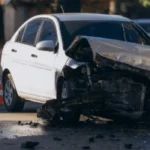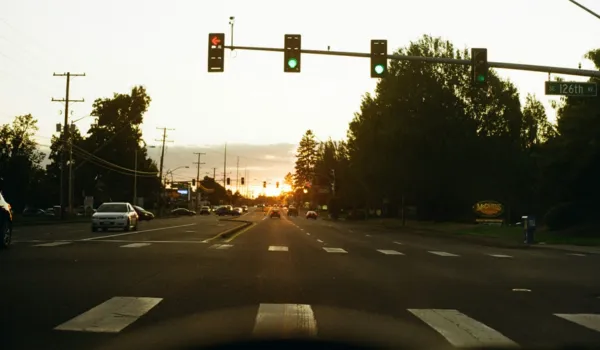
Yes. Sun glare can make some Austin intersections more dangerous during evening commutes, especially for drivers heading west on roads that line up with the setting sun. A low sun can hide traffic signals, brake lights, pedestrians, and cyclists for a few critical seconds.
The risk is not the same everywhere. Glare tends to be worst at the most dangerous intersections, where heavy traffic, left turns, and busy crosswalks already leave drivers little room for error. When a driver cannot see clearly, a routine signal change or turn can quickly become a collision.
Let’s have a closer look at this in detail!
When Can Sun Glare Make Austin Intersections More Dangerous?
Glare does not affect every road equally. The time of year, the direction of travel, and the design of the intersection all play a part.
Westbound Travel on East-West Roads
In the evening, the sun sits low in the western sky. Drivers heading west may face it directly, while drivers heading east can find that sunlight striking the signals washes out their colors.
Seasonal Sun Angles and Commute Timing
Around the spring and fall equinoxes, the sun sets close to due west, lining up with east-west streets. After daylight saving time ends in November, sunset in Austin moves closer to the evening rush, so more commuters drive into the low sun.
Busy Crossings and Turning Traffic
Glare is most dangerous where many things happen at once. A driver turning left into the sun may not see an oncoming car or a pedestrian in the crosswalk until it is too late.
What Texas Laws Apply to Sun Glare Crashes?
Under Texas Transportation Code §545.351, drivers may not travel faster than is reasonable and prudent for the conditions. Glare is one of those conditions, so a driver who keeps going at full speed while blinded by the sun may be found negligent.
Sun glare is rarely a complete defense. Texas courts generally expect drivers to slow down, use their visors, or stop safely when they cannot see.
Fault may also be shared. Under Texas Civil Practice and Remedies Code §33.001, an injured person cannot recover damages if they are more than 50% responsible for the crash. If they are 50% or less at fault, their compensation is reduced by their share of blame.
This article provides general information, not legal advice.
What Evidence Can Help Prove Fault in a Sun Glare Crash?
- The time of the crash and the sun’s position at that moment
- Direction of travel for each vehicle
- Police crash reports and witness statements
- Dashcam, traffic camera, or nearby business video
- Signal timing records for the intersection
- Photos showing visor use, windshield condition, and the view toward the sun
What Steps Should You Take After a Sun Glare Crash?
- Get medical care right away.
- Call the police and request a copy of the crash report.
- Photograph the scene, the traffic signals, and the sun’s position, if safe.
- Write down the exact time and each driver’s direction of travel.
- Keep in mind that Texas generally allows two years to file an injury lawsuit.
Frequently Asked Questions
1. Can a driver avoid blame by saying the sun blinded them?
Usually not. Because glare is predictable at certain times of day, drivers are expected to adjust their speed and attention before entering an intersection.
2. Can a city be responsible for glare at an intersection?
It is possible but uncommon. Claims against government entities in Texas face special notice rules and immunity limits, so these cases need prompt review.
Takeaways
- Sun glare can make certain Austin intersections more dangerous during evening commutes, especially for westbound drivers.
- The risk rises around the equinoxes and after daylight saving time ends.
- Intersections with heavy traffic, left turns, and crosswalks are most affected.
- Texas law requires drivers to adjust their speed to conditions, including glare.
- Sun glare is rarely a full defense in a Texas crash claim.
- Under Texas law, an injured person who is more than 50% at fault recovers nothing.