Understanding Texas county sales tax can feel confusing at first, especially when different locations show different tax rates. If you’ve ever wondered why the tax on your purchase changes from one place to another—even within the same county—you’re not alone.
This SEO-friendly, easy-to-follow guide will help you clearly understand how sales tax works in Texas, whether you’re a business owner, online seller, or everyday consumer.
What Is Texas County Sales Tax?
Let’s clear up the biggest confusion first.
👉 Texas counties generally do NOT impose their own sales tax.
Instead, the total sales tax in Texas includes:
- State Sales Tax
- Local Sales Taxes (city, transit, special districts)
So, when people say “county sales tax,” they are usually referring to local taxes within a county, not a separate county tax.
Texas Sales Tax Rate Structure (2026)
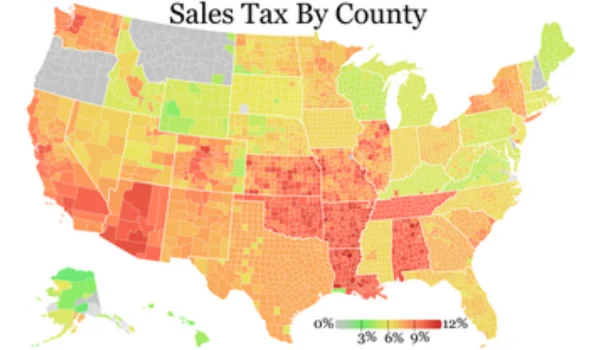
Here’s how the sales tax is structured in Texas:
| Tax Type | Rate |
| State Sales Tax | 6.25% |
| Local Sales Tax | Up to 2.00% |
| Maximum Total Tax | 8.25% |
✔ The combined sales tax can never exceed 8.25% anywhere in Texas.
Why Sales Tax Differs Within the Same County
This is one of the most searched questions—and the answer is simple.
Texas uses a destination-based sales tax system, which means:
👉 Tax depends on where the product is delivered or used, not where it is sold.
Example:
- Two customers in the same county
- One in a city → pays higher tax
- One in a rural area → pays lower tax
That’s why tax varies even within the same county.
Components of Local Sales Tax in Texas
Local taxes can include:
- City Sales Tax
- Most common
- Usually up to 2%
- Transit Authority Tax
- Funds transportation systems
- Special Purpose District Tax
- Supports hospitals, crime control, etc.
👉 Combined local taxes cannot exceed 2%.
Step-by-Step: How to Calculate Texas Sales Tax
Follow these simple steps:
Step 1: Start With State Tax
- Fixed at 6.25%
Step 2: Add Local Tax Rate
- Depends on the exact location
Step 3: Combine the Rates
Example:
- State: 6.25%
- Local: 2%
- Total: 8.25%
Step 4: Apply to Purchase Amount
If your item costs $200:
- Tax = $200 × 8.25% = $16.50
- Total = $216.50
Texas Sales Tax Examples by Location
| Location | State Tax | Local Tax | Total Tax |
| Houston | 6.25% | 2.00% | 8.25% |
| Dallas | 6.25% | 2.00% | 8.25% |
| Austin | 6.25% | 2.00% | 8.25% |
| Small Town (No City Tax) | 6.25% | 0%–1% | 6.25%–7.25% |
💡 Key insight: Tax depends on city and district, not just the county.
Who Should Care About Texas Sales Tax?
- Business Owners
- Must collect correct sales tax
- Incorrect rates can lead to penalties
- E-commerce Sellers
- Tax is based on delivery address
- Important for interstate and local sales
- Consumers
- Helps explain price differences
- Avoid confusion when shopping
Common Mistakes to Avoid
❌ Thinking counties set sales tax
✔ Counties usually don’t
❌ Using one rate for the entire county
✔ Rates vary within counties
❌ Charging tax based on store location
✔ Texas uses destination-based rules
Step-by-Step Guide for Businesses
If you run a business in Texas, follow this:
Step 1: Get a Sales Tax Permit
- Required before collecting tax
Step 2: Identify Correct Tax Rates
- Based on customer location
Step 3: Collect Sales Tax
- Apply correct combined rate
Step 4: File Tax Returns
- Monthly, quarterly, or yearly
Step 5: Maintain Records
- Keep invoices and tax reports
When You Pay Less Than 8.25%
You won’t always pay the maximum tax.
You may pay less if:
- You are outside city limits
- No special districts apply
- Local tax is below 2%
Texas vs Other States (Quick Comparison)
| Feature | Texas | Other States |
| State Tax | 6.25% | Varies |
| Max Combined Rate | 8.25% | Can exceed 10% |
| County Sales Tax | Rare | Common |
| Tax System | Destination | Mixed |
Practical Real-Life Example
Let’s say:
- You buy something in a rural part of a county
- No transit tax applies
- Local tax = 1%
Then:
- State tax = 6.25%
- Local tax = 1%
- Total tax = 7.25%
Pro Tips for Accuracy
✔ Always check tax by exact address
✔ Don’t assume county-wide rates
✔ Use automated tax tools if running a business
✔ Stay updated with rate changes
FAQs
- Do counties in Texas charge sales tax?
No, counties typically do not impose their own sales tax. Local taxes come from cities and districts.
- What is the highest sales tax in Texas?
The maximum combined rate is 8.25%.
- Why does tax change within the same county?
Because tax is based on city and local districts, not the county.
- How do I find my local sales tax rate?
Use your exact address or ZIP code to determine the correct rate.
- Are online purchases taxed the same way?
Yes. Texas uses a destination-based system, so tax depends on delivery location.
Final Thoughts
The term “Texas county sales tax” can be misleading. The real system is built on state + local taxes, with counties playing a minimal role.
👉 The most important takeaway:
Always calculate sales tax based on the exact location—not just the county.
By understanding how Texas sales tax works, you can:
- Avoid costly mistakes
- Stay compliant
- Make smarter buying and selling decisions