Traveling with children in Texas comes with an important responsibility—making sure they’re properly secured in a car seat. These laws aren’t just about avoiding fines; they’re designed to protect your child in case of an accident.
If you’re confused about which car seat to use, when to switch, or what Texas law actually requires—this guide breaks it all down in simple, everyday language.
🚗 Why Texas Car Seat Laws Matter
Car accidents are one of the leading causes of injuries for children. A properly used car seat can:
- Reduce serious injury risk
- Protect your child’s head, neck, and spine
- Save lives in high-impact crashes
Texas law focuses on age, height, and proper restraint systems to ensure children are safe at every stage.
📜 Texas Car Seat Law
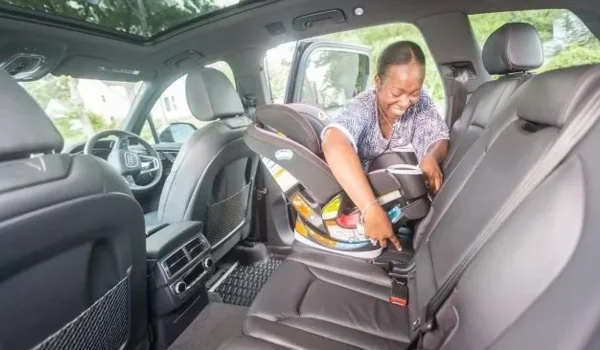
The main rule is straightforward:
👉 Children under 8 years old must be secured in a child safety seat, unless they are taller than 4 feet 9 inches
👉 Once a child reaches:
- Age 8 OR
- Height of 4’9”
➡️ They can legally use a regular seat belt
👉 If you break this law, you can face:
- A fine between $25 and $250
👉 Important: The driver is responsible, even if the child is not theirs
👶 Texas Car Seat Requirements by Age
| Age Group | Recommended Seat Type | Key Rule |
| 0–2 years | Rear-facing car seat | Keep rear-facing as long as possible |
| 2–4 years | Forward-facing seat | Use 5-point harness |
| 4–8 years | Booster seat | Until 4’9” height |
| 8+ years | Seat belt | Must fit properly |
👉 Always follow height and weight limits, not just age
🔄 Step-by-Step: Car Seat Stages Explained
Understanding when to move your child to the next stage is key.
Step 1: Rear-Facing Car Seat (Birth to ~2 Years)
- Start from day one
- Keep your child rear-facing as long as possible
- Best protection for head and neck
Step 2: Forward-Facing Car Seat (2–4 Years)
- Once rear-facing limits are reached
- Use a seat with a 5-point harness
- Provides better upper body support
Step 3: Booster Seat (4–8 Years)
- Used after outgrowing forward-facing seat
- Positions seat belt correctly across chest and hips
Step 4: Regular Seat Belt (8+ Years or 4’9”)
- Only when seat belt fits properly
- Lap belt: across thighs (not stomach)
- Shoulder belt: across chest (not neck)
⚖️ Legal Requirements vs Safety Recommendations
Sometimes the safest option goes beyond the law.
| Category | Legal Requirement | Safety Recommendation |
| Rear-facing | Not strictly age-defined | Keep until max limits |
| Booster seat | Until age 8 or 4’9” | Continue until perfect belt fit |
| Front seat | Allowed after 8 | Wait until age 13 |
👉 Experts strongly recommend keeping children in the back seat until age 13
🚫 Common Car Seat Mistakes Parents Make
Even careful parents can make errors that reduce safety:
- ❌ Switching to forward-facing too early
- ❌ Loose or twisted harness straps
- ❌ Incorrect installation
- ❌ Using expired or damaged car seats
- ❌ Skipping booster seats too soon
👉 Studies show a large number of car seats are installed incorrectly
🛠️ How to Properly Install a Car Seat (Step-by-Step)
Step 1: Choose the Right Seat
- Check your child’s height and weight
- Use certified safety seats
Step 2: Place It in the Back Seat
- Safest location for children
- Avoid front seat airbags
Step 3: Secure the Seat
- Use LATCH system or seat belt
- Ensure tight installation (no movement >1 inch)
Step 4: Adjust Harness Correctly
- Straps snug with no slack
- Positioned at correct shoulder level
Step 5: Check Angle & Fit
- Especially important for infants
- Keeps airway open and safe
💰 Penalties for Not Following Texas Law
If you don’t follow car seat laws:
- Fine: $25 to $250
- Driver is held responsible
- May affect insurance claims
- Could lead to legal issues in accidents
🚗 Can Children Sit in the Front Seat in Texas?
Legally:
👉 Children over 8 can sit in the front
But safety experts recommend:
👉 Keep children in the back seat until age 13
Why?
- Airbags can be dangerous for younger children
- Back seat reduces injury risk
🧠 Extra Safety Tips for Parents
- Always read both car seat and vehicle manuals
- Replace car seats after accidents
- Avoid second-hand seats unless verified safe
- Register your seat for recall alerts
- Get your seat checked by certified technicians (often free in Texas)
🧾 Real-Life Example
Scenario 1: Correct Use
A 3-year-old child is in a forward-facing seat with a harness.
✔️ Meets safety guidelines
✔️ Legally compliant
Scenario 2: Incorrect Use
A 5-year-old child is using only a seat belt.
❌ Should be in a booster seat
❌ Could result in a fine
Scenario 3: Borderline Case
An 8-year-old is under 4’9” but using a seat belt.
👉 Legal, but not safest—booster seat is recommended
⚠️ Why Proper Use Matters More Than Just Following the Law
You can technically follow the law and still not be fully safe.
👉 Example:
- A child turns 8 but is too small for a seat belt
- Using only a seat belt may still cause injury
That’s why experts say:
👉 Use each stage as long as possible
🧾 Key Takeaways (Quick Summary)
- Under 8 years → Must use a car seat
- Under 4’9” → Booster seat recommended
- Rear-facing is safest for infants
- Driver is responsible for compliance
- Safety guidelines often go beyond legal rules
❓ FAQs About Texas Car Seat Laws
- What is the car seat law in Texas?
Children under 8 must be in a car seat unless they are taller than 4’9”.
- When can my child stop using a car seat?
At age 8 or when they reach 4 feet 9 inches tall.
- Is it illegal to move a child to a booster seat early?
Not always illegal, but it can be unsafe if they’re not ready.
- Can I use a second-hand car seat?
Only if it’s not expired, undamaged, and hasn’t been in an accident.
- Who gets fined if a child isn’t properly secured?
The driver, not the parent.
🧾 Final Thoughts
Texas car seat laws are designed to keep children safe—but they only work if you follow them correctly.
👉 The key is simple:
- Use the right seat
- At the right time
- In the right way
Don’t rush transitions, and always prioritize safety over convenience.
Because when it comes to your child, even small decisions can make a big difference.