If you’re a parent in Texas, one of the most common questions is:
“When can I switch my child to a forward-facing car seat?”
The answer isn’t just about age—it involves weight, height, safety guidelines, and Texas law. Switching too early is one of the biggest mistakes parents make, and it can put your child at serious risk.
This guide explains everything in simple, easy-to-understand language so you can make the safest decision for your child.
🚗 What Is a Forward-Facing Car Seat?
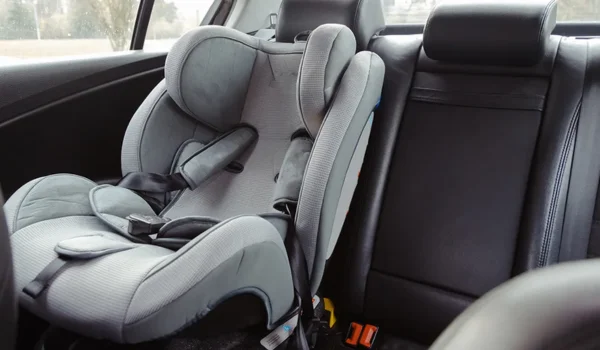
A forward-facing car seat is designed for toddlers and young children who have outgrown rear-facing seats.
👉 It:
- Faces the front of the vehicle
- Uses a 5-point harness system
- Provides protection for the chest, shoulders, and hips
📜 Texas Law: What Does It Actually Say?
Texas law does not specifically mention “forward-facing” seats by name. Instead, it focuses on a broader rule:
👉 Children under 8 years old must be secured in a child safety seat, unless they are taller than 4 feet 9 inches
This law is based on the Texas Transportation Code Section 545.412.
👉 So where does forward-facing fit in?
It’s part of the recommended progression of car seats based on safety standards—not just legal wording.
👶 When Can a Child Use a Forward-Facing Car Seat in Texas?
Here’s the simple answer:
👉 A child can move to a forward-facing seat only after outgrowing a rear-facing seat
Typically:
- Age: Around 2 years or older
- Weight: Usually 20–40 pounds (depending on seat)
- Height: When they exceed rear-facing limits
👉 Important: Do NOT switch just because your child turns 2
Always check the seat’s limits first.
📊 Car Seat Stages in Texas
| Stage | Age Range | Seat Type | Key Rule |
| Stage 1 | 0–2 years | Rear-facing | Keep as long as possible |
| Stage 2 | 2–4 years | Forward-facing | Use harness system |
| Stage 3 | 4–8 years | Booster seat | Until 4’9” height |
| Stage 4 | 8+ years | Seat belt | Proper fit required |
👉 Forward-facing is the middle stage, not the starting point
⚖️ Legal Rule vs Safety Recommendation
There’s a key difference parents must understand.
| Category | Legal Requirement | Safety Recommendation |
| Rear-facing | Not clearly age-defined | Keep as long as possible |
| Forward-facing | Allowed after rear-facing | Use until max limits |
| Booster seat | Required under 8 | Continue until proper fit |
👉 Safety experts strongly recommend:
✔️ Keep your child rear-facing as long as possible
✔️ Delay forward-facing if your seat allows
🔄 Step-by-Step: How to Transition to a Forward-Facing Seat
Here’s a safe and practical approach:
Step 1: Check Rear-Facing Limits
- Look at your car seat manual
- Check height and weight limits
Step 2: Confirm Readiness
Your child should:
- Be at least 2 years old (recommended)
- Exceed rear-facing limits
Step 3: Install Forward-Facing Seat
- Place in the back seat only
- Use LATCH system or seat belt
Step 4: Secure the Harness Properly
- Straps at or above shoulders
- Snug fit (no slack)
Step 5: Use Top Tether
- Always attach top tether strap
- Reduces forward movement in crashes
🚫 Common Mistakes Parents Make
Avoid these common errors:
- ❌ Switching to forward-facing too early
- ❌ Not using the top tether
- ❌ Loose harness straps
- ❌ Incorrect installation
- ❌ Choosing seat based only on age
👉 These mistakes can significantly reduce safety
🛠️ Proper Installation Tips (Forward-Facing Seat)
✔️ Back Seat Only
- Safest place for children
✔️ Tight Installation
- Seat should not move more than 1 inch
✔️ Harness Placement
- Straps at or above shoulder level
✔️ Chest Clip Position
- At armpit level
💰 Penalties for Not Following Texas Law
If your child is not properly restrained:
- Fine: $25 to $250
- Driver is responsible
- Can affect insurance claims
👉 Even if you use a seat—but incorrectly—you can still face consequences
🚗 Can a Forward-Facing Seat Be Installed in the Front?
👉 Technically possible in some situations—but not recommended
Why?
- Airbags can cause serious injury
- Back seat is much safer
👉 Best practice:
✔️ Always install forward-facing seats in the back seat
🧾 Real-Life Examples
Scenario 1: Correct Use
A 3-year-old in a forward-facing seat with a harness.
✔️ Safe
✔️ Legal
Scenario 2: Too Early Transition
A 1-year-old switched to forward-facing.
❌ Unsafe
❌ Against safety recommendations
Scenario 3: Incorrect Installation
Seat is loose and harness is slack.
❌ Unsafe
❌ Reduces protection
🧠 Why Rear-Facing Is Still Safer Than Forward-Facing
Even though forward-facing is legal at a certain point:
👉 Rear-facing is 5 times safer for young children
Why?
- Supports head and neck
- Distributes crash force evenly
👉 That’s why experts say:
✔️ Delay forward-facing as long as possible
❓ FAQs About Texas Forward-Facing Car Seat Laws
- At what age can a child face forward in Texas?
Typically around age 2, but only after outgrowing rear-facing limits.
- Is it illegal to forward-face too early?
It may not always be illegal, but it is unsafe and not recommended.
- Do I need a harness in a forward-facing seat?
Yes, a 5-point harness is required for safety.
- Can I skip forward-facing and go to a booster seat?
No, your child must first outgrow a forward-facing seat.
- Where should a forward-facing seat be installed?
Always in the back seat for maximum safety.
🧾 Final Thoughts
Texas forward-facing car seat laws are simple—but understanding when and how to switch is what truly matters.
👉 Remember:
- Don’t rush the transition
- Follow your car seat’s limits
- Install it correctly every time
Because when it comes to your child’s safety, every detail counts.