Texas Cottage Food Law for Dried Peppers (2026 Guide): Rules, Selling Tips & Legal Requirements Made Simple

If you grow or love working with peppers, you might be wondering:
“Can I sell dried peppers or chili products from home in Texas?”
The answer is yes—but only if you follow Texas Cottage Food Law rules carefully.
This guide explains everything in simple, everyday language so you can legally start and grow a small business selling dried peppers, chili flakes, or spice blends from your home.
🌶️ What Is Texas Cottage Food Law?
The Texas Cottage Food Law allows people to prepare and sell certain foods from their home kitchen without needing a commercial license.
This falls under the Texas Cottage Food Law, which supports small home-based food businesses.
👉 In simple terms:
You can sell homemade food—including dried peppers—if it’s safe and follows the rules.
🌶️ Are Dried Peppers Allowed in Texas?
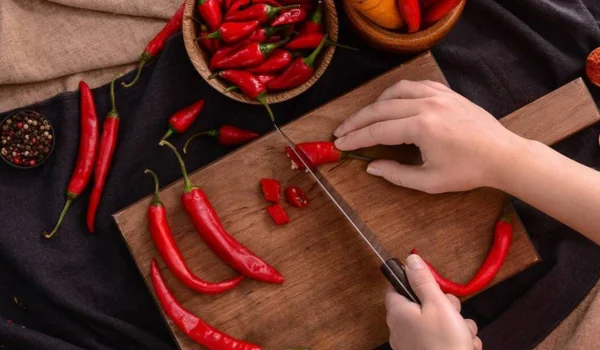
👉 Yes, dried peppers are allowed under Texas cottage food law
Because:
- They are non-perishable
- They do not require refrigeration
- They fall under dry food products
Examples of Allowed Pepper Products:
- Whole dried peppers
- Crushed chili flakes
- Chili powder
- Spice blends (without salt restrictions issues)
- Dried herb + pepper mixes
⚠️ Not Allowed (Important)
Even with peppers, some products are not allowed:
- Fresh salsa (needs refrigeration)
- Pepper sauces with oil (risk of bacteria)
- Canned peppers without proper licensing
- Any product requiring temperature control
👉 Rule of thumb:
Dry = usually allowed | Wet = usually not allowed
📊 Allowed vs Not Allowed Pepper Products
| Product Type | Allowed | Reason |
| Dried whole peppers | ✅ Yes | Non-perishable |
| Chili flakes | ✅ Yes | Dry and safe |
| Chili powder | ✅ Yes | Shelf-stable |
| Fresh salsa | ❌ No | Needs refrigeration |
| Oil-based chili sauce | ❌ No | Safety risk |
| Pickled peppers | ⚠️ Limited | Must meet strict rules |
💰 Annual Sales Limit
👉 Texas sets a maximum annual income for cottage food businesses:
- $50,000 per year
If your dried pepper business grows beyond this:
- You must move to a licensed commercial setup
🏠 Where Can You Sell Dried Pepper Products?
You must sell directly to customers.
✅ Allowed:
- Farmers’ markets
- Local fairs and events
- From your home
- Direct delivery
- Online (if delivered directly)
❌ Not Allowed:
- Selling through grocery stores
- Wholesale distribution
- Third-party retailers
👉 Key rule:
Direct-to-consumer sales only
📦 Labeling Rules for Dried Pepper Products
Every product must include proper labeling.
Required Label Information:
- Product name (e.g., “Dried Red Chili Flakes”)
- Your name and home address
- Ingredient list (in order of weight)
- Allergen information (if applicable)
- Mandatory disclaimer:
👉 “This food is made in a home kitchen and is not inspected by the Department of State Health Services.”
👉 Even for simple products like dried peppers, labeling is mandatory
🧭 Step-by-Step: How to Start a Dried Pepper Business in Texas
Starting is simple if you follow these steps:
Step 1: Choose Your Product
Decide what you want to sell:
- Whole dried peppers
- Chili flakes
- Custom spice blends
Step 2: Ensure It’s Allowed
- Product must be dry and shelf-stable
- Avoid oil or moisture
Step 3: Take Food Safety Training
- Texas requires a food handler certificate
- Quick and affordable
Step 4: Prepare Your Kitchen
- Clean, organized workspace
- Avoid contamination
Step 5: Dry and Process Properly
- Ensure peppers are fully dried
- No moisture (prevents mold)
Step 6: Create Labels
- Include all required details
Step 7: Start Selling
- Begin at farmers’ markets or local events
- Use social media to promote
Step 8: Track Your Sales
- Stay under $50,000 annual limit
🧠 Safety Tips for Dried Pepper Products
Even though dried foods are safer, you still need to be careful:
- Use clean drying methods
- Store in airtight containers
- Avoid contamination from raw foods
- Check for mold or moisture
- Maintain hygiene during processing
🚫 Common Mistakes to Avoid
Many beginners make these errors:
- ❌ Selling oil-based chili products
- ❌ Improper drying (leading to mold)
- ❌ Missing required labels
- ❌ Exceeding sales limit
- ❌ Selling through stores
🧾 Real-Life Examples
Scenario 1: Legal Business
You sell dried chili flakes at a farmers’ market with proper labeling.
✔️ Fully legal
✔️ Complies with cottage food law
Scenario 2: Illegal Product
You sell homemade chili oil.
❌ Not allowed
❌ Risk of bacterial growth
Scenario 3: Growth Stage
Your spice business earns $60,000 per year.
👉 You must upgrade to a licensed food business
⚖️ Legal Requirements Summary
To stay compliant:
- Sell only dry, shelf-stable pepper products
- Complete food safety training
- Label products properly
- Sell directly to customers
- Stay under income limit
❓ FAQs
- Can I sell dried peppers from home in Texas?
Yes, dried peppers are allowed under the Texas Cottage Food Law.
- Can I sell chili powder or spice blends?
Yes, as long as they are dry and shelf-stable.
- Is chili oil allowed under cottage food law?
No, oil-based products are generally not allowed due to safety risks.
- Do I need a license to sell dried peppers?
No license is required, but you must follow all cottage food rules.
- Can I sell my products in stores?
No, you can only sell directly to customers.
🧾 Final Thoughts
Selling dried peppers under Texas Cottage Food Law is a great low-cost business opportunity—especially if you enjoy gardening, cooking, or working with spices.
👉 The key is simple:
- Keep your products dry and safe
- Follow labeling rules
- Sell directly to customers
Start small, stay compliant, and focus on quality. With the right approach, your homemade pepper products can turn into a successful business.