Texas Cottage Food Law Labels (2026 Guide): What You Must Put on Your Food Labels (Simple & Clear)

If you’re running—or planning to start—a home food business in Texas, one of the most important things you need to get right is your product label.
Why?
Because even if your food is perfectly safe and delicious, missing or incorrect labeling can make your business illegal.
This guide explains Texas cottage food law labeling rules in simple language, so you can stay compliant and build trust with your customers.
🍪 What Are Cottage Food Labels in Texas?
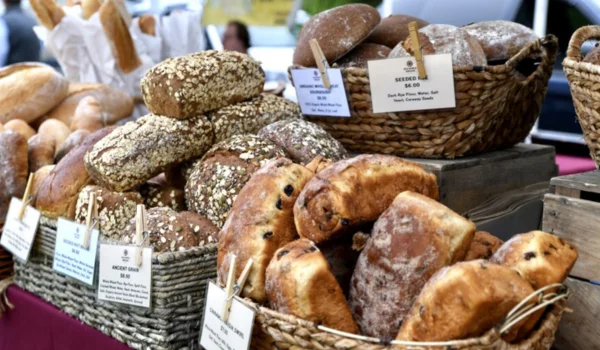
Under the Texas Cottage Food Law, anyone selling homemade food must include specific information on their product labels.
👉 A label is basically:
A small printed or written tag on your food product that tells customers:
- What it is
- What’s inside it
- Who made it
- And an important legal disclaimer
📜 Why Labeling Is So Important
Texas requires labeling to:
- Protect consumers from allergies
- Provide transparency about ingredients
- Ensure food safety awareness
- Make it clear the food is not commercially inspected
👉 Without proper labeling, you can:
- Be fined
- Be stopped from selling
- Lose customer trust
📦 What Must Be Included on Your Label?
Let’s break it down simply.
✅ Required Information:
- Product Name
Example: “Chocolate Chip Cookies” - Your Name and Address
(The person who made the food) - Ingredient List
- Listed in order of weight (most to least)
- Allergen Information
Mention if your product contains:- Milk
- Eggs
- Wheat
- Soy
- Peanuts
- Tree nuts
- Mandatory Disclaimer (VERY IMPORTANT)
👉 You must include this exact statement:
“This food is made in a home kitchen and is not inspected by the Department of State Health Services.”
📊 Texas Cottage Food Label Requirements (Quick Table)
| Label Element | Required? | Example |
| Product name | ✅ Yes | “Homemade Banana Bread” |
| Seller name & address | ✅ Yes | Your full details |
| Ingredients list | ✅ Yes | Flour, sugar, eggs… |
| Allergen info | ✅ Yes | Contains milk & eggs |
| Disclaimer | ✅ Mandatory | Required legal statement |
👉 Missing even one item can make your product non-compliant
🧭 Step-by-Step: How to Create a Legal Cottage Food Label
Follow these steps to make your label correctly:
Step 1: Write the Product Name
- Keep it clear and simple
- Avoid misleading terms
Step 2: Add Your Details
- Your name
- Your home address (not optional in Texas)
Step 3: List Ingredients Properly
- In descending order (by weight)
- Example: Flour → Sugar → Butter → Eggs
Step 4: Highlight Allergens
- Clearly mention common allergens
- Example: “Contains: Milk, Eggs, Wheat”
Step 5: Add the Disclaimer
👉 Copy it exactly—don’t change wording:
“This food is made in a home kitchen and is not inspected by the Department of State Health Services.”
Step 6: Print and Attach Label
- Stick it on packaging
- Make sure it’s easy to read
🧾 Example of a Correct Label
Here’s a simple example:
Product Name: Chocolate Chip Cookies
Made by: Sarah Johnson, 123 Main St, Dallas, TX
Ingredients: Flour, Sugar, Butter, Eggs, Chocolate Chips
Allergens: Contains Wheat, Milk, Eggs
Disclaimer:
“This food is made in a home kitchen and is not inspected by the Department of State Health Services.”
🚫 Common Labeling Mistakes to Avoid
Many beginners make these mistakes:
- ❌ Missing the disclaimer
- ❌ Not listing ingredients correctly
- ❌ Forgetting allergen information
- ❌ Using incomplete address
- ❌ Writing unclear or unreadable labels
👉 Even small errors can lead to legal issues
🧠 Tips to Make Better Labels (Not Just Legal, But Professional)
Want your product to stand out? Try this:
- Use clean and attractive design
- Choose readable fonts
- Add branding (logo, colors)
- Use waterproof labels
- Keep layout simple and organized
👉 A good label = trust + more sales
⚖️ Where Must the Label Be Placed?
Your label must be:
- Clearly visible on the package
- Easy to read
- Attached securely
👉 It should not be hidden or hard to find
🛍️ Do You Need Labels for All Sales?
Yes—even if you sell:
- At farmers’ markets
- From home
- To friends or neighbors
👉 Every product must have a proper label
🧾 Real-Life Examples
Scenario 1: Correct Label
You sell brownies with full label details and disclaimer.
✔️ Legal
✔️ Compliant
Scenario 2: Missing Disclaimer
You include everything but forget the disclaimer.
❌ Not compliant
❌ Can lead to penalties
Scenario 3: No Ingredient List
You only write product name and your name.
❌ Incomplete
❌ Violates labeling rules
⚠️ What Happens If You Don’t Follow Label Rules?
If your labels are incorrect:
- You may receive warnings or fines
- Authorities can stop your sales
- Your business may be shut down
👉 Labeling is not optional—it’s required
❓ FAQs
- Is labeling mandatory for cottage food in Texas?
Yes, all products must follow labeling rules under the Texas Cottage Food Law.
- Can I skip the disclaimer?
No, the disclaimer is required and must be written exactly.
- Do I need to include my home address?
Yes, Texas requires your full address on the label.
- What if I sell unpackaged food?
You still need to provide labeling information, usually at the point of sale.
- Can I design my own label style?
Yes, as long as all required information is included.
🧾 Final Thoughts
Texas cottage food labeling rules may seem strict—but they’re actually simple once you understand them.
👉 Just remember:
- Include all required details
- Don’t change the disclaimer
- Keep labels clear and readable
Getting your labels right not only keeps you legal—it also builds trust with your customers and helps your business grow.