Every spring, highways, open fields, and countryside roads across Texas turn into a sea of beautiful blue flowers. These flowers are bluebonnets — the official state flower of Texas and one of the biggest symbols of Texas pride. Families stop for photos, tourists pull over to admire them, and social media fills up with pictures of kids sitting among the blooms.
But one question always comes up:
Is it actually illegal to pick bluebonnets in Texas?
You have probably heard people say, “You can get fined,” or “It’s against Texas law.” Some even believe you could go to jail for it. The truth is a little more complicated — and much more interesting.
Let’s break it down in simple language so you know what’s fact, what’s myth, and what you should avoid when enjoying bluebonnet season in Texas.
The Short Answer
No, there is no specific Texas law that makes it illegal to pick bluebonnets.
You generally will not be arrested just for picking a few bluebonnets. However, that does not mean you can pick them anywhere you want without consequences.
The real legal issue usually involves:
- Trespassing on private property
- Damaging public land
- Picking flowers in protected parks or natural areas
- Stopping unsafely on highways
So while bluebonnets themselves are not legally protected in the way many people think, the place where they are growing matters a lot.
Why Do People Think It’s Illegal?
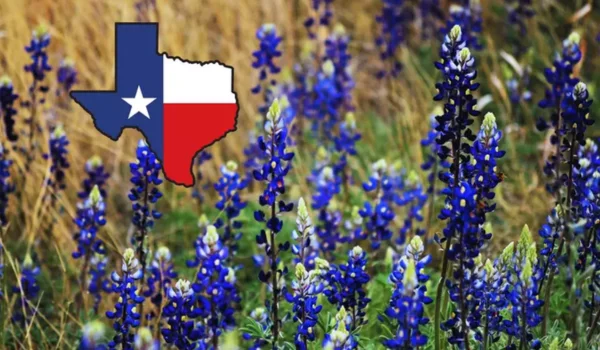
The myth has existed in Texas for decades.
One reason is that Texans are extremely protective of bluebonnets because they are part of the state’s identity. Schools teach children to respect them, and local communities encourage people not to damage flower fields.
Another reason comes from roadside safety campaigns. During spring, the Texas Department of Transportation often reminds people to be careful around highway flower areas. Over time, many people misunderstood these warnings and assumed picking the flowers itself was illegal.
The result?
A statewide belief that bluebonnets are protected by some special criminal law.
But there is no statewide law that says:
“Picking bluebonnets is illegal.”
Are Bluebonnets Protected by Law at All?
Not specifically.
Bluebonnets do not have a special legal status that automatically protects every flower growing in Texas. However, other laws can still apply depending on where the flowers are located.
For example:
- Private Property Laws
If bluebonnets are growing on someone’s ranch, farm, or land, you cannot legally enter that property without permission.
That would be trespassing.
Even if your only goal is taking photos or picking flowers, entering private land without consent can create legal problems.
This is actually one of the most common issues during bluebonnet season.
- State Parks and Protected Areas
Some parks and protected natural areas have rules against removing plants, flowers, or wildlife.
In those locations, picking bluebonnets could violate park regulations.
Many parks want visitors to leave nature untouched so everyone can enjoy it.
- Damage to Government Property
Bluebonnets often grow along roads maintained by the state.
Destroying landscaping or damaging public vegetation in large amounts could potentially lead to penalties under local or state property laws.
That said, casually touching or walking near flowers is usually not treated as a criminal issue.
Can You Pick Bluebonnets on the Side of the Road?
Technically, in many places, yes — but you should be very careful.
Roadside bluebonnets create two major concerns:
Safety
Texas highways can be dangerous. Cars move fast, and many accidents happen because people suddenly stop for photos or wander too close to traffic.
Even if picking flowers itself is not illegal, unsafe parking can absolutely get you fined.
You may receive tickets for:
- Blocking traffic
- Unsafe stopping
- Parking violations
- Walking in restricted highway areas
Environmental Damage
When large numbers of people walk through flower patches, the plants can get crushed and damaged for the season.
That is why many Texans encourage visitors to admire the flowers without picking them.
Is It Illegal to Take Pictures in Bluebonnet Fields?
Usually no — taking photos is one of the most popular Texas spring traditions.
You will see family portraits, graduation shoots, engagement photos, and even pet photography sessions in bluebonnet fields.
However, there are still important rules:
- Do not trespass on private property
- Do not block roads
- Avoid damaging flower patches
- Watch for snakes, ants, and uneven ground
- Stay away from dangerous highway shoulders
Many photographers ask landowners for permission before entering private fields.
Can You Get a Fine for Picking Bluebonnets?
There is no automatic “bluebonnet fine” written into Texas law.
But you could still receive fines related to:
- Trespassing
- Property damage
- Park rule violations
- Unsafe roadside parking
So if someone says:
“You’ll get fined for picking bluebonnets,”
the statement is partly true in certain situations — just not because the flower itself is illegal to pick.
Why Texans Prefer People Not to Pick Them
Even though it may not technically be illegal, many Texans strongly believe bluebonnets should be left alone.
Here’s why:
They Are Part of Texas Culture
Bluebonnets are deeply connected to Texas identity. They appear in tourism campaigns, art, souvenirs, and local festivals.
For many residents, protecting them is a matter of pride.
Picking Them Reduces Future Blooms
Flowers produce seeds that help future bluebonnets grow.
If too many flowers are picked before seed production, future blooms may become weaker in that area.
They Look Better for Everyone
Large untouched bluebonnet fields attract visitors from all over the state.
When people remove flowers or trample patches, the display disappears quickly.
What Does the Texas Government Say?
The Texas Department of Transportation generally encourages people to:
- Enjoy the flowers responsibly
- Stay safe near highways
- Avoid damaging roadside vegetation
- Respect private property
Texas actually spends significant effort planting and maintaining roadside wildflowers because they are part of the state’s tourism appeal.
Are All Blue Flowers in Texas Bluebonnets?
No.
Texas has many types of wildflowers that bloom during spring. Some people mistake other flowers for bluebonnets.
Common Texas wildflowers include:
- Indian paintbrush
- Coreopsis
- Mexican hat flowers
- Evening primrose
- Black-eyed Susans
Bluebonnets remain the most famous because they are the official state flower.
Best Etiquette During Bluebonnet Season
Even if you legally can pick a few flowers in some places, good etiquette matters.
Here are some smart guidelines Texans appreciate:
Ask Permission First
If flowers are on private land, always ask the owner.
Avoid Pulling Up Entire Plants
Removing roots prevents regrowth.
Stay Out of Traffic
Never stop suddenly on highways for photos.
Watch Children Carefully
Roadside flower areas can be close to fast-moving vehicles.
Leave Fields Beautiful
Try not to crush large sections while taking pictures.
Fun Fact: Texas Loves Bluebonnets So Much…
Texas has multiple recognized species of bluebonnets, not just one.
The flower belongs to the Lupinus family, and debates over which species should represent the state actually became a political issue many years ago.
That shows just how seriously Texans take their flowers.
Final Verdict
So, is it illegal to pick bluebonnets in Texas?
Not exactly.
There is no special statewide law that outright bans picking bluebonnets. But depending on where the flowers are growing, you could still run into legal trouble for trespassing, damaging property, violating park rules, or creating unsafe road conditions.
The safest approach is simple:
- Respect private property
- Avoid damaging flower fields
- Follow park rules
- Stay safe near highways
- Enjoy the flowers without disturbing them
That way everyone can continue enjoying one of Texas’s most beautiful spring traditions year after year.