Imagine standing outside during a Texas thunderstorm watching gallons of rain pour off your roof and thinking:
“Why let all this water go to waste?”
Maybe you want to water your garden, lower your water bill, or prepare for dry seasons. Then someone suddenly tells you:
“Careful — collecting rainwater is illegal.”
That statement surprises a lot of people, especially in a state like Texas where droughts, heat, and water conservation are major topics.
The good news?
Collecting rainwater in Texas is legal
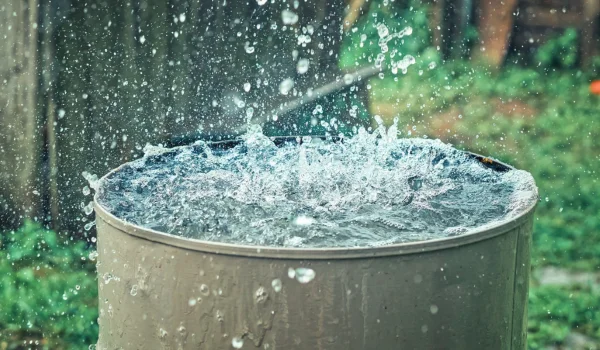
In fact, Texas is one of the more rainwater-friendly states in the country and even encourages certain forms of rainwater harvesting.
Still, there are some important rules, practical limits, and things homeowners should know before setting up a rain barrel or a larger collection system.
Let’s break it all down in simple language.
The Short Answer
No, it is not illegal to collect rainwater in Texas.
Texas law allows residents and property owners to collect and use rainwater in many situations.
People commonly collect rainwater for:
- Gardening
- Lawn irrigation
- Livestock
- Emergency water storage
- Household non-drinking uses
- Sustainable living
Texas has even passed laws and programs that support rainwater harvesting systems.
What Is Rainwater Harvesting?
Rainwater harvesting simply means collecting and storing rainwater for later use.
Most systems gather water from rooftops through gutters and direct it into:
- Rain barrels
- Storage tanks
- Underground cisterns
The collected water can then be used later instead of relying entirely on city water supplies.
Why Rainwater Collection Matters in Texas
Texas experiences:
- Hot summers
- Drought conditions
- Water shortages in some areas
- Heavy but inconsistent rainfall
Because of this, conserving water is a big issue across the state.
Rainwater harvesting helps by:
- Reducing pressure on public water systems
- Lowering water bills
- Conserving groundwater
- Supporting agriculture and landscaping
That is one reason Texas generally supports the practice instead of banning it.
Does Texas Encourage Rainwater Collection?
Yes — in many ways, Texas actually promotes it.
Certain cities, counties, and water conservation programs offer:
- Tax incentives
- Rebates
- Educational programs
- System installation guidance
Some newer buildings in parts of Texas are even designed with rainwater collection systems in mind.
Can Homeowners Install Rain Barrels?
Absolutely.
Small residential rain barrels are very common in Texas.
A basic setup usually includes:
- Gutters
- Downspouts
- A barrel or tank
- A screened lid to block debris and mosquitoes
Many homeowners use these systems to water gardens and plants.
Is a Permit Required?
Sometimes — depending on the size and type of system.
Simple rain barrels usually do not create major legal issues. However, larger systems connected to plumbing or household water supplies may need to follow:
- Local building codes
- Plumbing regulations
- Health and safety standards
Rules can vary between cities and counties.
Can You Drink Collected Rainwater?
Technically yes — but only if it is properly filtered and treated.
Untreated rainwater may contain:
- Dirt
- Bird droppings
- Bacteria
- Roof chemicals
- Debris
That is why most residential systems use collected rainwater mainly for:
- Irrigation
- Outdoor cleaning
- Landscaping
Using rainwater for drinking water requires much more advanced filtration and safety systems.
Is There a Limit to How Much Rainwater You Can Collect?
Texas generally does not impose small household collection limits like some people assume.
However, very large systems tied into commercial operations or public infrastructure may involve additional regulations and engineering requirements.
For ordinary homeowners, collecting rooftop rainwater is usually straightforward and legal.
Can Homeowners Associations (HOAs) Stop You?
This is an interesting area.
Texas has laws limiting how much some homeowners associations can restrict rainwater harvesting systems.
In many cases, HOAs cannot completely ban rainwater collection systems, although they may still regulate:
- Placement
- Appearance
- Visibility
- Safety standards
So even if your neighborhood has rules, you may still have legal rights to install a system.
Are There Any Legal Restrictions?
Even though collecting rainwater is legal, there are still rules people should follow.
- Proper System Design Matters
Poorly installed systems can create issues like:
- Water contamination
- Mosquito breeding
- Leaks
- Structural problems
That is why large systems often need proper installation.
- Plumbing Connections Must Be Safe
If rainwater connects to indoor plumbing, Texas may require safeguards to prevent contamination of public water supplies.
This becomes especially important in commercial or large residential systems.
- Local Rules Still Apply
Cities and counties may have building or zoning requirements for larger installations.
Common Uses for Rainwater in Texas
Texans use collected rainwater for many purposes.
Gardening and Landscaping
This is the most common use.
Plants often respond well to rainwater because it lacks some of the chemicals found in treated tap water.
Lawn Watering
Using rainwater can reduce outdoor water costs during hot Texas summers.
Livestock and Ranching
Some rural properties use large rainwater systems for agricultural purposes.
Emergency Water Storage
During droughts or storms, stored rainwater can provide backup water access.
Is Rainwater Collection Better for the Environment?
In many ways, yes.
Rainwater harvesting can help:
- Reduce runoff
- Lower erosion
- Conserve treated water supplies
- Reduce strain on infrastructure
Environmentally conscious homeowners often see it as a sustainable long-term solution.
Common Myths About Rainwater Collection in Texas
Myth #1: “Collecting Rainwater Is Illegal”
False. Texas allows and often encourages it.
Myth #2: “Only Farmers Can Collect Rainwater”
False. Homeowners commonly use rain barrels and tanks.
Myth #3: “You Need a Huge Expensive System”
False. Even a small rain barrel setup can work well for gardens and landscaping.
Tips for Collecting Rainwater Safely
If you plan to start collecting rainwater, here are some smart tips.
Use Clean Gutters
Dirty gutters can contaminate stored water.
Cover Storage Tanks
This helps prevent mosquitoes and debris.
Avoid Drinking Untreated Water
Use proper filtration if water will be consumed.
Check Local Codes
Especially for large or permanent systems.
Position Barrels Carefully
Water is heavy, so tanks should sit on stable surfaces.
Why Rainwater Harvesting Is Growing in Popularity
As water costs rise and drought concerns increase, more Texans are looking for practical ways to conserve water.
Rainwater systems are becoming popular because they:
- Save money
- Support sustainability
- Help during dry periods
- Reduce dependence on municipal supplies
Some homeowners even build entire eco-friendly homes around rainwater systems.
Final Verdict
So, is it illegal to collect rainwater in Texas?
No — collecting rainwater is legal in Texas and often encouraged.
Homeowners across the state use rain barrels, storage tanks, and harvesting systems for gardening, landscaping, and water conservation.
While larger systems may need to follow local codes or plumbing regulations, ordinary rainwater collection is generally completely lawful.
In a state known for both heavy storms and droughts, rainwater harvesting has become a smart and practical solution for many Texans looking to save water and reduce costs.