Texas Law on Knives on School Property: What Students, Parents, and Staff Need to Know

Knives are common tools in Texas. Many people carry them for work, outdoor activities, or everyday utility. But when it comes to school property, the rules are very different.
If you’re a parent, student, teacher, or even a visitor, understanding Texas law about knives on school property is extremely important. The consequences for getting it wrong can be serious—ranging from school discipline to criminal charges.
This guide breaks down Texas law in simple, easy-to-understand language so you know exactly what’s allowed and what isn’t.
Are Knives Legal in Texas?
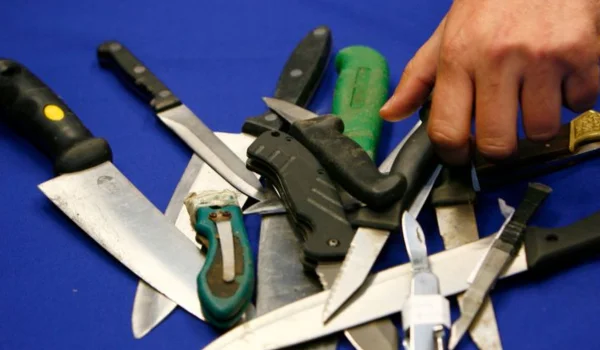
Yes. Texas generally allows adults to carry many types of knives. In recent years, Texas loosened knife restrictions significantly. Most knives are legal to own and carry in public.
However, there are special rules for certain places, and schools are one of the most restricted locations.
Just because a knife is legal to carry in public does not mean it’s legal on school property.
What Does Texas Law Say About Knives on School Property?
Under Texas law, certain weapons are prohibited in specific locations. Schools are considered “weapon-free zones” for many types of weapons—including certain knives.
The key issue is blade length.
The 5.5-Inch Rule
In Texas, a knife with a blade longer than 5.5 inches is often referred to as a “location-restricted knife.”
Location-restricted knives are generally not allowed on school property, including:
- Public elementary schools
- Middle schools
- High schools
- Private K–12 schools
- School buses
- School-sponsored events
This applies whether the school event is on campus or off-campus.
If someone brings a knife with a blade longer than 5.5 inches onto school property, it can result in criminal charges.
What About Smaller Knives?
Knives with blades shorter than 5.5 inches are generally legal in Texas for adults to carry.
However, schools can still enforce their own disciplinary rules that are stricter than state law.
For example:
- A school district may prohibit all knives, even small pocketknives.
- A student may face suspension or expulsion for having any knife at school.
- School policies often treat knives as prohibited items, regardless of size.
So even if something is technically legal under state law, it may still violate school rules.
Students vs. Adults: Is There a Difference?
Yes, and this is important.
For Students
Students are subject to:
- Texas criminal law
- School district policies
- The Texas Education Code
Even a small pocketknife can lead to serious consequences under school discipline policies.
If a student brings a knife to school:
- The school may confiscate it.
- The student may be suspended.
- The student may be placed in a disciplinary alternative education program (DAEP).
- In serious cases, expulsion may occur.
Intent matters—but many schools apply strict “zero tolerance” rules.
For Adults (Parents, Staff, Visitors)
Adults entering school property must also follow the 5.5-inch blade restriction.
This includes:
- Parents picking up children
- Contractors working on campus
- Volunteers
- Visitors attending events
Carrying a large knife—even legally under normal circumstances—can become a criminal offense if brought onto school property.
What About School Employees?
Teachers and staff are also restricted.
Generally:
- School employees may not carry location-restricted knives on campus.
- School districts can set internal policies about smaller knives.
There are limited exceptions for specific authorized roles, but these are rare and usually involve special permission.
What Are the Criminal Penalties?
Bringing a prohibited knife onto school property can lead to criminal charges.
Typically, this offense is treated as a serious misdemeanor. In some cases, it can rise to a felony depending on the circumstances.
Possible consequences include:
- Arrest
- Fines
- Jail time
- Permanent criminal record
For juveniles, cases are handled in juvenile court but can still carry long-term consequences.
Does Intent Matter?
Yes—but only to a certain extent.
If someone intentionally brings a large knife onto school property knowing it’s prohibited, that’s clearly a violation.
But even accidental possession can cause problems.
For example:
- A student forgets a hunting knife in their backpack.
- A parent leaves a work knife in their car while parked on campus.
- A high schooler keeps a pocketknife in their truck in the school parking lot.
Even if there was no bad intent, the law can still apply.
That’s why awareness is so important.
Are Vehicles in School Parking Lots Covered?
Yes.
School property includes:
- Parking lots
- School buses
- Athletic fields
- Administrative buildings
- Areas used for school events
If your vehicle is parked on school property and contains a prohibited knife, you could potentially face legal consequences.
What About College Campuses?
The rules are different for colleges and universities.
In Texas:
- Adults can generally carry knives (including longer blades) on college campuses.
- However, certain buildings may still restrict weapons.
- Individual universities can set policies for student conduct.
K–12 schools have much stricter rules than colleges.
Common Real-Life Scenarios
Let’s look at a few examples.
Scenario 1: Student With a Pocketknife
A high school student brings a small 3-inch pocketknife to school.
Legally:
- It may not violate state blade-length law.
- But it likely violates school district policy.
Result:
- The student may face suspension or disciplinary action.
Scenario 2: Parent With a Large Work Knife
A construction worker picks up their child after work with a 7-inch knife in their truck.
Legally:
- This violates the location-restricted knife rule on school property.
- Even if the knife stays inside the vehicle, it can still be a violation.
Result:
- Potential criminal charge.
Scenario 3: Student Brings a Knife for Self-Defense
Intent does not automatically excuse the violation.
Schools prioritize safety over personal reasons. Even if carried for protection, a prohibited knife can still lead to discipline or charges.
Can Schools Be Stricter Than State Law?
Yes.
Texas school districts have authority to enforce stricter rules than state criminal law.
For example:
- A district can ban all knives regardless of size.
- A district can discipline students even if no criminal charges are filed.
That means school consequences can happen even if law enforcement declines to arrest.
What Should Parents Do?
Parents should:
- Review the student handbook carefully.
- Teach children not to bring knives to school.
- Double-check backpacks before school.
- Remind teens to remove knives from vehicles before entering campus.
A simple oversight can turn into a serious issue.
What If a Knife Is Found at School?
If a knife is discovered:
- The school typically confiscates it.
- Administrators investigate.
- Parents are notified.
- Law enforcement may be contacted.
It’s important to remain calm and cooperative if this happens.
If criminal charges are filed, speaking with a defense attorney may be necessary.
Why Are Schools So Strict?
Schools are considered sensitive, high-safety environments. Texas law treats them differently to:
- Protect students and staff.
- Reduce violence risks.
- Maintain order.
- Prevent escalation.
Even though Texas generally supports broad knife rights, schools are one of the clearest exceptions.
Frequently Asked Questions
Can a student carry a small pocketknife to school?
Even if legal under state law, most school districts prohibit all knives. It’s safest to assume no knives are allowed.
Is a knife in a locked car still illegal?
If the vehicle is on school property and the knife qualifies as location-restricted, it can still violate the law.
Does this apply to private schools?
Yes. Private K–12 schools are also covered.
Are there exceptions for agricultural or trade programs?
Some limited educational exceptions may apply for supervised classroom use, but they must be authorized by the school.
Final Thoughts: When in Doubt, Leave It Out
Texas law allows broad knife ownership—but schools are a special exception.
The safest rule is simple:
If you are going onto K–12 school property, do not bring a knife.
Whether you’re a student, parent, staff member, or visitor, understanding these rules can prevent:
- Suspension
- Expulsion
- Arrest
- Criminal record
When it comes to knives and schools in Texas, it’s always better to be cautious than to face serious consequences.
If you’re unsure about a specific situation, reviewing school policy or speaking with a knowledgeable Texas attorney can provide clarity.
Staying informed helps protect your rights—and keeps schools safe for everyone.