Few things are more frustrating than walking outside and discovering your car is gone. On the other side, few things are more frustrating for property owners than dealing with unauthorized vehicles taking up valuable parking space.
In Texas, private property towing laws try to balance both sides. Property owners have the right to remove unauthorized vehicles—but strict rules must be followed. Drivers also have rights if their vehicle is towed improperly.
This guide explains Texas private property towing laws in simple, everyday language so you understand how the system works—whether you’re a property owner, tenant, apartment manager, or driver.
What Is “Private Property Towing”?
Private property towing happens when a vehicle is removed from:
- Apartment complexes
- Shopping centers
- Office buildings
- Gated communities
- Private parking lots
- Residential driveways
This is different from police-ordered towing (such as after an accident or arrest). Private property towing usually happens because the vehicle was:
- Parked without permission
- Blocking access
- Parked in a fire lane
- Parked in a reserved space
- Left too long
Texas law allows property owners to remove unauthorized vehicles—but only if specific rules are followed.
Can Property Owners Tow Any Car They Want?
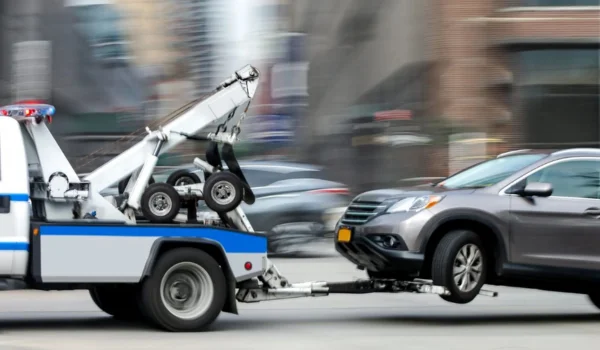
No. Texas law is very clear: towing must follow strict procedures.
Property owners cannot:
- Tow vehicles out of personal anger
- Selectively tow without proper notice
- Use unlicensed towing companies
- Ignore signage requirements
Improper towing can lead to lawsuits and financial penalties.
The Importance of Proper Towing Signs
One of the most important parts of Texas towing law is signage.
In most cases, for a vehicle to be towed without warning, the property must have proper “tow-away” signs.
These signs must:
- Be clearly visible at each entrance
- Include specific wording required by law
- State that unauthorized vehicles will be towed
- Provide the name and phone number of the towing company
- Meet size and lettering requirements
If the signage does not meet legal standards, the tow may be considered wrongful.
For apartment complexes and commercial properties, proper signage is critical.
The 48-Hour Rule (When It Applies)
In some cases, vehicles left without authorization for more than 48 hours may be eligible for towing.
However, the 48-hour rule does not automatically apply to every situation.
For example:
- A vehicle blocking a fire lane can often be towed immediately.
- A car parked in a clearly marked reserved spot may be towed right away if signs are posted.
- An abandoned vehicle in a general parking area may require time limits or notice.
Always check the specific situation before towing.
Who Can Perform the Tow?
Only a licensed towing company can legally remove vehicles from private property.
In Texas:
- Towing companies must be licensed.
- Drivers must follow state regulations.
- The tow must be reported properly.
Property owners cannot:
- Tow vehicles themselves
- Use chains to drag vehicles away
- Push vehicles into the street
Doing so can create serious legal problems.
What Happens After the Vehicle Is Towed?
Once towed, the vehicle is taken to a licensed vehicle storage facility.
The towing company must:
- Notify the registered owner.
- Notify any lienholder (such as a bank).
- Provide instructions on how to recover the vehicle.
The owner must pay towing and storage fees before retrieving the car.
If the vehicle is not claimed within a certain period, it may eventually be sold at auction.
How Much Can Towing Companies Charge?
Texas regulates towing fees.
The amount depends on:
- The type of vehicle
- The weight of the vehicle
- Whether special equipment was required
Storage fees are also regulated daily rates.
If you believe the charges are excessive, you have the right to challenge them.
What If You Think Your Car Was Wrongfully Towed?
Drivers in Texas have rights.
If you believe your vehicle was towed illegally, you can request a tow hearing.
What Is a Tow Hearing?
A tow hearing is a court proceeding where a judge decides whether the tow was legal.
You typically must request the hearing within a short time after the tow (usually within about two weeks).
At the hearing, the judge will look at:
- Whether proper signage was posted
- Whether the vehicle was actually unauthorized
- Whether towing rules were followed
If the judge finds the tow was improper, the vehicle owner may recover towing fees and possibly court costs.
Apartment Complex Towing
Apartment complexes are one of the most common places for towing disputes.
Common issues include:
- Guests parking in resident spots
- Expired registration
- Non-working vehicles
- Vehicles without parking permits
Most apartment leases include parking policies. If a tenant violates those policies, the vehicle may be towed—especially if signage is properly posted.
However, complexes must still follow Texas towing laws. Lease language does not override state law.
Towing From Residential Property
If someone parks in your private driveway without permission, you can have the vehicle towed.
In most cases:
- Signage is not required for single-family residential driveways.
- You can contact a licensed towing company directly.
However, if the vehicle belongs to someone you previously gave permission to (such as a guest or friend), the situation can be more complicated.
Fire Lanes and Safety Violations
Vehicles parked in fire lanes can usually be towed immediately.
Fire lane violations are treated seriously because they create safety risks.
Clear fire lane markings are required, and property owners must comply with local codes.
Booting vs. Towing
Some properties use wheel boots instead of towing.
In Texas:
- Booting companies must also be licensed.
- Booting must follow specific rules.
- There are limits on how much can be charged for removal.
Booting improperly can lead to legal penalties, just like wrongful towing.
Common Mistakes Property Owners Make
Here are frequent errors that lead to disputes:
- Posting signs that do not meet legal requirements
- Failing to place signs at all entrances
- Towing without verifying unauthorized status
- Using unlicensed tow operators
- Not documenting violations
Property owners should keep clear records, including photos of violations.
Common Mistakes Drivers Make
Drivers sometimes assume:
- “It’s only for a few minutes.”
- “No one will notice.”
- “The signs don’t matter.”
But if signage complies with Texas law, even a short violation can result in towing.
Always check for:
- Tow-away signs
- Fire lane markings
- Reserved space designations
What About Abandoned Vehicles?
If a vehicle appears abandoned:
- Property owners should contact law enforcement first if theft is suspected.
- Licensed towing companies handle notice procedures.
Owners cannot simply claim abandoned vehicles for themselves.
Legal Consequences of Improper Towing
If towing laws are violated, the towing company and possibly the property owner may face:
- Refund of towing and storage fees
- Court costs
- Additional damages
- Regulatory penalties
Texas courts take improper towing seriously.
Tips for Property Owners
To stay compliant:
- Use properly licensed towing companies.
- Ensure signage meets Texas standards.
- Keep written agreements with towing providers.
- Train property managers on towing rules.
- Document every tow with photos and time records.
Prevention is much easier than defending a lawsuit.
Tips for Drivers
To avoid towing:
- Always look for signage before parking.
- Follow apartment parking rules.
- Do not park in fire lanes.
- Keep registration current.
- Display required permits clearly.
If towed:
- Contact the storage facility immediately.
- Ask for itemized fees.
- Request a tow hearing if you believe it was improper.
Frequently Asked Questions
Can a property owner tow without warning?
Yes, if proper signage is posted and the vehicle is unauthorized.
Can I sue for wrongful towing?
Yes. A tow hearing is usually the first step.
Do I have to pay before challenging the tow?
In most cases, yes—you must retrieve the vehicle first, then challenge the tow in court.
How quickly can a vehicle be towed?
It depends on the violation. Fire lane and safety violations may allow immediate towing.
Final Thoughts: Balance of Rights and Responsibilities
Texas private property towing laws aim to balance two important rights:
- A property owner’s right to control their property
- A driver’s right to fair treatment
When everyone understands the rules—proper signage, licensed towing, and fair procedures—disputes are less likely.
If you frequently deal with towing issues as a property manager or landlord, consulting a Texas attorney can help ensure full compliance.
And if your vehicle has been towed and something feels wrong, remember: Texas law gives you the right to challenge it.
Knowing the law protects you—whether you’re the one calling the tow truck or the one looking for your car.