Foundation Problems in Texas Homes: Causes, Warning Signs, Repair Costs, and Prevention Tips

Foundation problems are one of the most common concerns for Texas homeowners. The state’s unique soil conditions, extreme weather changes, drought cycles, heavy rainfall, and temperature fluctuations can put significant stress on residential foundations.
Unlike some home issues that are easy to notice, foundation damage often develops slowly. Small cracks, uneven floors, sticking doors, or gaps around windows may seem minor at first but can indicate larger structural problems.
Understanding foundation problems in Texas homes helps homeowners identify warning signs early, choose the right repair solutions, and avoid expensive damage in the future.
This guide explains the causes, materials, maintenance requirements, repair costs, pros and cons of repair methods, weather impacts, and expert tips for protecting your Texas home foundation.
Why Foundation Problems Are Common in Texas
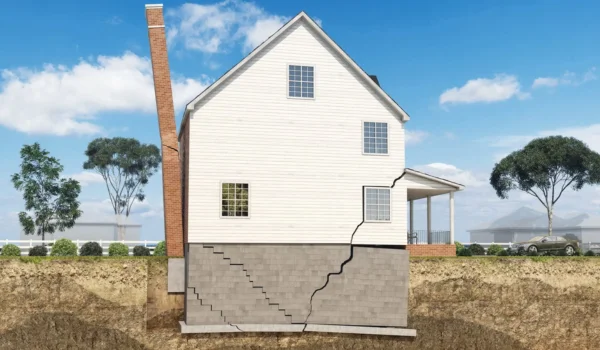
Texas has some of the most challenging soil conditions in the country. Many areas experience expansive clay soil, which expands when wet and contracts when dry.
This constant movement creates pressure on home foundations.
Major causes of foundation problems in Texas include:
- Expansive clay soil
- Drought conditions
- Heavy rainfall
- Poor drainage
- Plumbing leaks
- Improper construction
- Tree roots
- Extreme temperature changes
Cities such as Dallas, Fort Worth, Austin, Houston, San Antonio, and surrounding areas frequently experience foundation-related issues because of soil movement.
How Texas Weather Affects Home Foundations
Texas weather plays a major role in foundation health.
- Drought and Dry Conditions
During Texas drought periods, soil loses moisture and shrinks.
This can cause:
- Soil separation from foundation walls
- Uneven settling
- Foundation movement
- Cracks in walls and floors
Long dry periods are especially stressful for homes built on expansive clay soil.
- Heavy Rainfall and Flooding
Excess water can create different foundation problems.
Heavy rain may cause:
- Soil expansion
- Foundation pressure
- Poor drainage
- Water infiltration
- Erosion around the foundation
Maintaining proper drainage is essential.
- Temperature Changes
Texas experiences major temperature swings.
Heat can:
- Dry soil
- Increase expansion and contraction cycles
- Stress foundation materials
Common Types of Foundations in Texas Homes
The type of foundation affects how problems develop and how repairs are performed.
- Slab Foundation
A slab foundation is a concrete layer poured directly on prepared soil.
It is extremely common in Texas because:
- It works well in warm climates
- It is affordable
- It requires less excavation
Advantages
✔ Lower construction cost
✔ Good for warm climates
✔ Less maintenance compared with some alternatives
Disadvantages
✘ Plumbing repairs can be difficult
✘ Soil movement can create cracks
✘ Repairs may require lifting sections of concrete
- Pier and Beam Foundation
Pier and beam foundations create a crawl space between the ground and the home.
They are often found in older Texas homes.
Advantages
✔ Easier plumbing access
✔ Better ventilation
✔ Easier repair access
Disadvantages
✘ Requires more maintenance
✘ Moisture problems can occur
✘ More vulnerable to pests
- Concrete Block and Other Foundation Systems
Some homes use alternative foundation designs depending on location and construction style.
Proper engineering and drainage are critical regardless of material.
Common Signs of Foundation Problems
Homeowners should watch for these warning signs.
Cracks in Walls or Floors
Small cracks may be normal, but larger or expanding cracks require attention.
Look for:
- Stair-step cracks in brick walls
- Horizontal cracks
- Large drywall cracks
- Floor cracks
Doors and Windows Sticking
Foundation movement can change the shape of door and window frames.
Signs include:
- Doors not closing properly
- Windows becoming difficult to open
- Uneven frames
Uneven or Sloping Floors
Floors that feel uneven may indicate foundation settlement.
Possible causes:
- Soil movement
- Foundation shifting
- Pier problems
Gaps Around Doors and Windows
New gaps may appear when foundation movement changes the home’s structure.
Plumbing Problems
Foundation movement can affect underground pipes.
Warning signs:
- Slow drains
- Unexplained water bills
- Sewer odors
- Water pooling
Common Causes of Foundation Problems in Texas
Expansive Clay Soil
This is the biggest cause of foundation issues in many Texas regions.
Clay soil:
- Expands when wet
- Shrinks during drought
- Creates movement under foundations
Poor Drainage
Water should flow away from the foundation.
Problems occur when:
- Gutters are blocked
- Soil slopes toward the house
- Downspouts discharge near walls
Plumbing Leaks
Hidden leaks under slab foundations can weaken soil.
Signs include:
- Warm spots on floors
- Water sounds
- Mold odors
- Sudden utility increases
Large Trees Near Foundations
Tree roots can:
- Remove moisture from soil
- Create uneven soil conditions
- Put pressure on structures
Experts usually recommend planting large trees away from foundations.
Foundation Repair Methods in Texas
The correct repair depends on the cause and severity of damage.
- Slab Foundation Repair
Common methods include:
Hydraulic Pier Installation
Steel or concrete piers are installed under the foundation to stabilize the structure.
Benefits
- Strong long-term support
- Suitable for serious settlement issues
Cost
Approximately:
$10,000–$30,000+
depending on the home’s size and damage.
- Slab Jacking or Mudjacking
This method lifts uneven concrete areas by pumping material underneath.
Benefits
✔ Less expensive
✔ Faster repair
Disadvantages
✘ Not suitable for every foundation problem
✘ May not solve underlying soil issues
Cost
Approximately:
$500–$2,500
- Pier and Beam Repair
Repairs may include:
- Replacing damaged beams
- Adjusting piers
- Improving drainage
- Adding supports
Cost
Approximately:
$2,000–$15,000+
Foundation Waterproofing Solutions
Texas homeowners should focus on moisture control.
Common solutions:
- French drains
- Improved grading
- Gutter extensions
- Foundation drainage systems
- Waterproof barriers
Cost
Approximately:
$1,000–$10,000
depending on the project.
Foundation Maintenance Tips for Texas Homes
Regular maintenance can prevent many foundation problems.
- Maintain Consistent Soil Moisture
During drought:
- Water foundation areas carefully
- Use soaker hoses
- Avoid extreme soil drying
During rainy periods:
- Prevent water buildup
- Improve drainage
The goal is consistency.
- Clean Gutters Regularly
Blocked gutters allow water to collect near foundations.
Recommended:
- Clean gutters at least twice yearly
- Check after major storms
- Inspect Plumbing Systems
Regularly check:
- Pipes
- Water heaters
- Drainage systems
Fix leaks quickly.
- Manage Landscaping
Good landscaping practices:
- Keep trees away from foundations
- Avoid overwatering
- Maintain proper soil grading
- Schedule Foundation Inspections
Professional inspections can identify issues before major repairs are needed.
Typical inspection cost:
$300–$600
Some companies provide free evaluations.
Foundation Repair Costs in Texas
Costs vary based on:
- Damage severity
- Home size
- Foundation type
- Repair method
- Location
- Soil conditions
Average estimates:
| Repair Type | Estimated Cost |
| Minor crack repair | $250–$1,000 |
| Drainage improvements | $1,000–$10,000 |
| Pier installation | $10,000–$30,000+ |
| Slab repair | $5,000–$25,000 |
| Major foundation replacement | $20,000–$100,000+ |
Pros and Cons of Foundation Repair
Benefits
✔ Protects structural integrity
✔ Prevents further damage
✔ Improves home value
✔ Reduces future repair costs
✔ Improves safety
Challenges
✘ Can be expensive
✘ Repairs may disrupt daily life
✘ Requires professional evaluation
✘ Some soil problems require ongoing management
Expert Tips for Texas Homeowners
- Do Not Ignore Small Cracks
Small problems can become major structural issues.
- Monitor Changes Over Time
Take photos of cracks and track whether they grow.
- Control Water Around Your Home
Proper drainage is one of the most effective foundation protection methods.
- Get Multiple Repair Opinions
Foundation repair recommendations can vary.
Compare:
- Inspection reports
- Repair methods
- Warranties
- Costs
- Maintain Foundation Warranty Records
Keep documents related to:
- Repairs
- Inspections
- Drainage improvements
These records can help during resale.
Frequently Asked Questions
Are foundation problems common in Texas homes?
Yes. Expansive clay soil, drought cycles, and heavy rainfall make foundation movement common throughout Texas.
How do I know if my Texas home has foundation problems?
Common signs include wall cracks, uneven floors, sticking doors, window gaps, and plumbing issues.
How much does foundation repair cost in Texas?
Costs range from a few hundred dollars for minor repairs to tens of thousands for major structural repairs.
Can foundation problems be prevented?
Many problems can be reduced through proper drainage, consistent soil moisture, plumbing maintenance, and regular inspections.
Are slab foundations good for Texas homes?
Yes. Slab foundations are popular in Texas, but they require proper construction and moisture management.
Should I buy a Texas home with foundation issues?
It depends on the severity, repair cost, and inspection results. A professional foundation inspection is recommended before purchasing.
Final Thoughts
Foundation problems in Texas homes are common, but they can often be managed with proper maintenance, early detection, and professional repairs. The state’s expansive clay soil, extreme weather conditions, and changing moisture levels make foundation care an important responsibility for homeowners.
The best protection strategies are simple: maintain proper drainage, monitor cracks, manage landscaping, control soil moisture, and schedule inspections when needed.
A strong foundation protects more than just your house—it protects your home’s value, safety, and long-term comfort. With regular care and smart maintenance, Texas homeowners can reduce foundation risks and enjoy a stable, secure property for many years.