Installing a fence is one of the most common home improvement projects in Texas. A well-built fence can improve privacy, increase security, protect pets and children, define property boundaries, and improve curb appeal. However, before building a fence, Texas homeowners need to understand local regulations, property line rules, materials, maintenance needs, and weather-related considerations.
Texas fence laws can vary depending on your city, county, homeowners association (HOA), and property type. While Texas generally gives property owners significant freedom to build fences, there are important rules regarding height, location, shared fences, permits, easements, and neighbor responsibilities.
This guide explains Texas fence laws, recommended materials, maintenance requirements, weather considerations, costs, advantages and disadvantages, and expert tips for homeowners.
Understanding Fence Laws in Texas
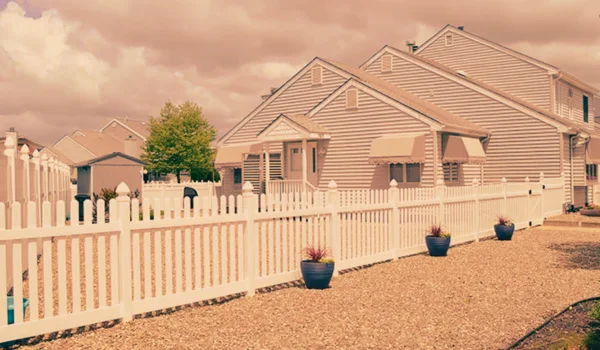
Texas does not have one single statewide fence code that applies to every property. Instead, fence regulations are usually controlled by:
- City ordinances
- County rules
- HOA restrictions
- Property deeds
- Zoning regulations
- Utility easements
Before installing a fence, homeowners should check local requirements.
Important factors include:
- Fence height limits
- Front yard restrictions
- Corner lot visibility rules
- Permit requirements
- Pool safety regulations
- Property line location
Do You Need a Permit to Build a Fence in Texas?
Fence permit requirements depend on your location.
Many Texas cities require permits for:
- Tall fences
- Corner lot fences
- Commercial properties
- Special zoning areas
Some areas allow basic residential fences without permits.
Before construction:
- Check your city building department website.
- Review HOA guidelines.
- Confirm property boundaries.
- Ask your contractor about local requirements.
Texas Property Line and Fence Rules
One of the biggest issues between neighbors is determining who owns the fence.
Property Boundary Verification
Before installing a fence:
- Review your property survey
- Locate boundary markers
- Avoid building on neighboring land
A fence accidentally placed over a property line can create legal problems.
Shared Fence Responsibilities in Texas
Texas follows general property principles where neighboring owners may share responsibilities for boundary fences.
However, Texas does not automatically require neighbors to pay half the cost of every fence.
Responsibilities depend on:
- Existing agreements
- Local rules
- Property circumstances
- Written contracts
It is always better to discuss fence plans with neighbors before construction.
Common Fence Materials for Texas Homes
Texas weather can be harsh on outdoor structures. Choosing the right material is important for durability and maintenance.
- Wood Fences
Wood is one of the most popular fencing choices in Texas.
Common types:
- Cedar
- Pine
- Redwood
Advantages
✔ Affordable
✔ Natural appearance
✔ Easy customization
✔ Good privacy
Disadvantages
✘ Requires regular maintenance
✘ Can rot from moisture
✘ Vulnerable to termites
✘ May fade from Texas sun
Cost
Approximately:
$15–$35 per linear foot installed
depending on wood quality and fence design.
- Vinyl Fencing
Vinyl fences are becoming popular among Texas homeowners because they require less maintenance.
Advantages
✔ Resistant to moisture
✔ No painting required
✔ Easy cleaning
✔ Long lifespan
Disadvantages
✘ Higher upfront cost
✘ Can become brittle in extreme cold
✘ Limited repair options
Cost
Approximately:
$25–$60 per linear foot installed
- Metal and Aluminum Fences
Metal fences provide durability and security.
Common options:
- Aluminum
- Steel
- Wrought iron
Advantages
✔ Long lifespan
✔ Strong security
✔ Low maintenance
✔ Resistant to insects
Disadvantages
✘ Higher installation cost
✘ Less privacy unless combined with other materials
Cost
Approximately:
$30–$100+ per linear foot
- Chain-Link Fencing
Chain-link is a practical and affordable option.
Common uses:
- Pet areas
- Large properties
- Utility areas
Advantages
✔ Affordable
✔ Durable
✔ Low maintenance
✔ Easy installation
Disadvantages
✘ Limited privacy
✘ Less attractive than other materials
Cost
Approximately:
$10–$25 per linear foot installed
- Masonry and Brick Fences
Brick and stone fences offer premium appearance and durability.
Advantages
✔ Extremely durable
✔ Excellent privacy
✔ Increases property value
✔ Handles Texas weather well
Disadvantages
✘ Expensive
✘ Requires professional installation
Cost
Approximately:
$50–$150+ per linear foot
Best Fence Materials for Texas Weather
Texas fences must handle:
- Extreme heat
- UV exposure
- Heavy storms
- High winds
- Humidity
- Occasional freezing temperatures
Recommended materials:
| Material | Texas Weather Performance |
| Metal | Excellent |
| Vinyl | Very Good |
| Cedar Wood | Good |
| Brick | Excellent |
| Chain Link | Good |
Texas Weather Effects on Fences
Extreme Heat and Sun
Texas summers can damage fences through:
- Fading
- Warping
- Cracking
- Material expansion
Solutions:
- Use UV-resistant finishes
- Apply protective coatings
- Choose weather-resistant materials
Heavy Rain and Humidity
Rain can cause:
- Wood rot
- Mold growth
- Rust
- Soil erosion around posts
Solutions:
- Seal wood regularly
- Improve drainage
- Use galvanized hardware
High Winds and Storms
Texas storms can damage fences through:
- Broken panels
- Loose posts
- Leaning sections
Solutions:
- Install deeper posts
- Use strong fasteners
- Choose wind-resistant designs
Fence Height Rules in Texas
Fence height rules vary by location.
Common residential guidelines:
Front Yard Fences
Many cities have lower height limits for front yards because of:
- Visibility
- Traffic safety
- Neighborhood appearance
Backyard Fences
Backyard fences often allow greater heights for:
- Privacy
- Security
- Pet protection
Many areas allow fences around:
- 6 feet
- 8 feet
depending on local rules.
Always verify with your city.
Pool Fence Requirements in Texas
Texas homeowners with swimming pools must follow safety rules.
Pool fences commonly require:
- Minimum height requirements
- Self-closing gates
- Self-latching locks
- Barriers preventing child access
Local requirements may be stricter than general rules.
Fence Installation Costs in Texas
Fence costs depend on:
- Material
- Fence length
- Height
- Labor
- Terrain
- Gates
- Property preparation
Average costs:
| Fence Type | Estimated Cost |
| Chain link | $10–$25/linear foot |
| Wood | $15–$35/linear foot |
| Vinyl | $25–$60/linear foot |
| Aluminum | $30–$80/linear foot |
| Brick/Stone | $50–$150+/linear foot |
A typical residential fence project may cost:
$2,000–$10,000+
depending on size and materials.
Fence Maintenance Tips for Texas Homes
Proper maintenance extends fence life.
Wood Fence Maintenance
Tasks:
- Apply sealant every few years
- Check for rot
- Replace damaged boards
- Treat for termites
Vinyl Fence Maintenance
Maintenance is simple:
- Wash with soap and water
- Remove stains
- Check hardware
Metal Fence Maintenance
Inspect:
- Rust spots
- Loose connections
- Paint damage
Apply protective coatings when needed.
Fence Repair Costs in Texas
Common repair costs:
| Repair | Average Cost |
| Replace fence boards | $100–$500 |
| Repair posts | $200–$800 |
| Fix gates | $150–$600 |
| Repaint/stain fence | $500–$2,000 |
Pros and Cons of Installing a Fence
Benefits
✔ Improves privacy
✔ Increases security
✔ Protects pets and children
✔ Enhances curb appeal
✔ Defines property boundaries
✔ Can increase home value
Drawbacks
✘ Installation costs can be high
✘ Requires maintenance
✘ Local rules may limit design
✘ Repairs may be needed after storms
Expert Tips for Texas Homeowners
- Check Local Laws First
Never start construction before confirming:
- City regulations
- HOA rules
- Permit requirements
- Get a Property Survey
A survey prevents:
- Boundary disputes
- Neighbor conflicts
- Legal issues
- Choose Materials Based on Location
For coastal Texas:
- Consider rust-resistant materials
For dry areas:
- Choose UV-resistant materials
For storm-prone areas:
- Choose stronger structures
- Invest in Quality Posts
A fence is only as strong as its foundation.
Use:
- Proper post depth
- Quality concrete
- Weather-resistant hardware
- Communicate With Neighbors
Good communication can prevent disputes, especially for shared boundaries.
Frequently Asked Questions
Do I need my neighbor’s permission to build a fence in Texas?
Generally, you do not need permission if the fence is entirely on your property and follows local rules. However, communication is recommended for boundary fences.
How tall can a fence be in Texas?
Fence height depends on city and HOA rules. Many areas allow taller backyard fences than front-yard fences.
Who pays for a fence between neighbors in Texas?
Texas law does not automatically require equal payment. Responsibility depends on agreements, circumstances, and local rules.
What is the best fence material for Texas weather?
Metal, vinyl, cedar wood, and brick are popular choices because they handle Texas heat, storms, and moisture conditions well.
Do fences increase home value in Texas?
A well-designed fence can improve curb appeal, privacy, security, and buyer appeal.
Can I build a fence on the property line in Texas?
Yes, but it is important to confirm boundaries and understand shared fence responsibilities before construction.
Final Thoughts
Understanding Texas fence laws helps homeowners avoid disputes, unnecessary costs, and construction problems. While Texas provides flexibility for property owners, local regulations, HOA rules, and property boundaries must always be considered.
Choosing the right fence material is equally important because Texas weather can be demanding. Wood provides affordability and beauty, metal offers strength, vinyl provides low maintenance, and masonry provides long-term durability.
A properly planned and maintained fence can protect your property, improve privacy, increase curb appeal, and add long-term value to your Texas home. Before installing a fence, check local requirements, choose weather-resistant materials, and work with experienced professionals for the best results.