Texas summers are known for extreme heat, high humidity, and long periods of intense sunlight. With temperatures frequently reaching above 95°F and sometimes exceeding 100°F, a reliable HVAC system is not just a comfort feature—it is an essential part of every Texas home.
Choosing the best HVAC system for Texas summers requires understanding local climate conditions, home size, insulation quality, energy efficiency ratings, maintenance needs, and long-term operating costs.
A properly selected HVAC system can help homeowners:
- Keep indoor temperatures comfortable
- Reduce electricity bills
- Improve air quality
- Handle Texas heat waves
- Increase home value
- Extend equipment lifespan
This guide explains the best HVAC systems for Texas homes, including system types, materials, maintenance requirements, costs, pros and cons, weather considerations, expert tips, and frequently asked questions.
Why Texas Summers Are Challenging for HVAC Systems
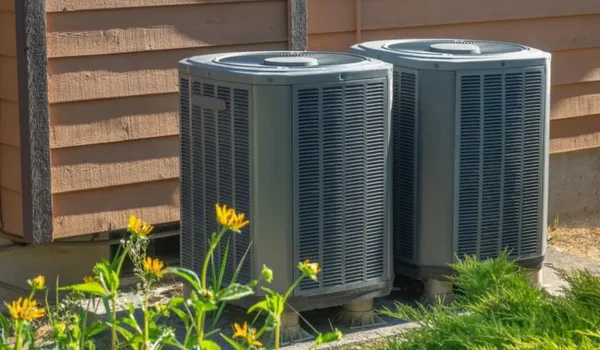
Texas weather creates unique cooling demands.
Major Climate Challenges Include:
- Extremely hot summers
- High cooling demand
- Humidity, especially near the Gulf Coast
- Dust and allergens
- Sudden temperature changes
- Long AC operating hours
During peak summer months, air conditioning systems may run for many hours every day. An inefficient system can result in:
- Higher energy bills
- Uneven cooling
- Frequent repairs
- Shorter equipment lifespan
Important Factors Before Choosing an HVAC System
The best HVAC system depends on several factors.
Homeowners should consider:
- Home size
- Number of rooms
- Insulation quality
- Window efficiency
- Local climate
- Energy costs
- Budget
- Maintenance preferences
An oversized or undersized system can create problems.
A system that is too large may:
- Turn on and off frequently
- Remove less humidity
- Waste energy
A system that is too small may:
- Run continuously
- Fail to cool properly
- Wear out faster
Best HVAC Systems for Texas Summers
- Central Air Conditioning Systems
Central AC systems are the most common cooling option for Texas homes.
They use:
- Outdoor condenser unit
- Indoor air handler
- Ductwork
- Thermostat controls
Central AC works well for:
- Single-family homes
- Larger houses
- Multi-room cooling
Advantages
✔ Cools entire home evenly
✔ Available in many efficiency levels
✔ Works with smart thermostats
✔ Provides reliable Texas summer cooling
Disadvantages
✘ Requires ductwork
✘ Higher installation cost
✘ Duct leaks can reduce efficiency
Cost
Average installation:
$5,000–$12,000+
depending on:
- Home size
- System efficiency
- Installation complexity
- Heat Pump HVAC Systems
Heat pumps are becoming increasingly popular in Texas because they provide both cooling and heating.
They transfer heat instead of creating it.
Advantages
✔ Energy efficient
✔ Provides heating and cooling
✔ Lower operating costs
✔ Environmentally friendly
Disadvantages
✘ Higher upfront cost
✘ Performance depends on proper sizing
✘ May require backup heating during extreme cold
Cost
Approximately:
$6,000–$15,000 installed
- Ductless Mini-Split Systems
Ductless mini-splits are ideal for homes without existing ductwork or for targeted cooling.
They include:
- Outdoor compressor
- Indoor air units
Best Uses
- Older homes
- Home additions
- Garages
- Workshops
- Individual rooms
Advantages
✔ No duct losses
✔ High energy efficiency
✔ Zone-based cooling
✔ Easier installation
Disadvantages
✘ Higher cost per room
✘ Indoor units are visible
✘ Requires regular cleaning
Cost
Approximately:
$3,000–$10,000+
depending on the number of zones.
- High-Efficiency Variable-Speed HVAC Systems
Variable-speed systems adjust output based on cooling needs.
Unlike traditional systems that operate only at full power, these systems increase or decrease capacity automatically.
Advantages
✔ Better temperature control
✔ Lower energy usage
✔ Reduced humidity
✔ Quieter operation
Disadvantages
✘ Higher purchase price
✘ More complex repairs
Cost
Approximately:
$8,000–$18,000+
- Geothermal HVAC Systems
Geothermal systems use underground temperatures for heating and cooling.
They are less common but highly efficient.
Advantages
✔ Extremely energy efficient
✔ Long lifespan
✔ Lower operating costs
Disadvantages
✘ Very high installation cost
✘ Requires available land
✘ Complex installation process
Cost
Approximately:
$20,000–$40,000+
HVAC Efficiency Ratings Explained
When selecting an HVAC system, pay attention to efficiency ratings.
SEER Rating
SEER means Seasonal Energy Efficiency Ratio.
Higher SEER ratings generally mean:
- Better efficiency
- Lower cooling costs
For Texas homes, many homeowners choose systems with:
- SEER2 15+
- Higher ratings for maximum efficiency
ENERGY STAR HVAC Systems
ENERGY STAR-certified systems meet higher efficiency standards.
Benefits:
- Reduced electricity consumption
- Better performance
- Potential rebates
Best HVAC Systems by Texas Region
North Texas (Dallas, Fort Worth)
Climate:
- Hot summers
- Occasional freezing winters
- Dust and storms
Recommended:
- High-efficiency central AC
- Heat pumps
- Variable-speed systems
Central Texas (Austin, San Antonio)
Climate:
- Extreme heat
- Dry conditions
- High cooling demand
Recommended:
- High SEER systems
- Heat pumps
- Smart thermostats
Gulf Coast Texas (Houston, Corpus Christi)
Climate:
- Heat
- High humidity
- Heavy rainfall
Recommended:
- Systems with strong humidity control
- Variable-speed compressors
- Efficient dehumidification
West Texas
Climate:
- Dry heat
- Intense sunlight
Recommended:
- Energy-efficient AC systems
- Solar-compatible HVAC
- Proper insulation
HVAC Materials and Components That Matter
Copper Refrigerant Lines
High-quality copper lines improve:
- Cooling performance
- System reliability
Quality Air Filters
Good filters help reduce:
- Dust
- Allergens
- Indoor pollutants
Common ratings:
- MERV 8–13 for residential homes
Insulated Ductwork
Proper duct insulation prevents:
- Cooling loss
- Energy waste
Smart Thermostats
Smart thermostats provide:
- Remote control
- Scheduling
- Energy tracking
- Automatic adjustments
Cost:
$100–$300
HVAC Installation Costs in Texas
Average costs vary by home size and system type.
| HVAC System | Estimated Cost |
| Central AC replacement | $5,000–$12,000 |
| Heat pump system | $6,000–$15,000 |
| Mini-split system | $3,000–$10,000 |
| Variable-speed HVAC | $8,000–$18,000 |
| Geothermal system | $20,000–$40,000 |
HVAC Maintenance Tips for Texas Summers
Regular maintenance helps HVAC systems perform during extreme heat.
Replace Air Filters Regularly
Recommended:
- Every 1–3 months
Dirty filters cause:
- Reduced airflow
- Higher energy use
- System strain
Clean Outdoor Condenser Units
Remove:
- Leaves
- Dirt
- Grass
- Debris
Maintain proper airflow around the unit.
Check Refrigerant Levels
Low refrigerant can cause:
- Poor cooling
- Higher energy bills
- Compressor damage
Clean Air Ducts
Dirty ducts may contribute to:
- Reduced airflow
- Dust buildup
- Poor indoor air quality
Schedule Professional Tune-Ups
Experts recommend HVAC inspections:
- Before summer begins
- At least once yearly
Signs Your HVAC System Needs Repair or Replacement
Watch for:
Rising Energy Bills
A sudden increase may indicate:
- Poor efficiency
- Aging equipment
- Mechanical problems
Uneven Cooling
Possible causes:
- Duct problems
- Incorrect sizing
- Weak airflow
Strange Noises
Common warning sounds:
- Grinding
- Clicking
- Hissing
- Banging
Frequent Repairs
If repair costs continue increasing, replacement may be more economical.
Benefits of Upgrading Your HVAC System
Advantages
✔ Lower electricity bills
✔ Better indoor comfort
✔ Improved air quality
✔ More reliable cooling
✔ Reduced environmental impact
✔ Increased home value
Drawbacks of New HVAC Systems
Higher Upfront Cost
Efficient systems require more initial investment.
Installation Disruption
Replacement may involve:
- Removing old equipment
- Duct modifications
- Temporary inconvenience
Maintenance Requirements
Even efficient systems need regular care.
Expert Tips for Texas Homeowners
- Improve Insulation Before Upgrading HVAC
A poorly insulated home forces HVAC systems to work harder.
Focus on:
- Attic insulation
- Air sealing
- Weather stripping
- Choose the Correct System Size
Ask professionals for a proper load calculation instead of guessing based on home size.
- Use Smart Thermostat Scheduling
Raise temperatures slightly when away to reduce energy costs.
- Keep Windows Protected
Use:
- Energy-efficient windows
- Window shades
- Curtains
to reduce heat gain.
- Consider Solar Compatibility
Solar panels combined with efficient HVAC can significantly reduce electricity expenses in Texas.
Frequently Asked Questions
What is the best HVAC system for Texas summers?
High-efficiency central AC systems, heat pumps, and variable-speed HVAC systems are among the best choices for Texas heat.
What SEER rating is best for Texas?
Many Texas homeowners choose systems with SEER2 ratings of 15 or higher for better efficiency and cooling performance.
How long does an HVAC system last in Texas?
A properly maintained HVAC system usually lasts around 10–15 years, although climate conditions and maintenance habits affect lifespan.
How often should I service my AC in Texas?
It is recommended to have HVAC maintenance at least once a year, preferably before summer.
Are heat pumps good for Texas weather?
Yes. Heat pumps work well in Texas because they provide efficient cooling and heating.
How can I reduce AC costs during Texas summers?
Homeowners can reduce costs by:
- Improving insulation
- Using smart thermostats
- Maintaining filters
- Sealing air leaks
- Installing efficient equipment
Final Thoughts
Choosing the best HVAC system for Texas summers requires balancing efficiency, cooling power, maintenance needs, and budget. Texas homeowners need systems that can handle extreme heat, long cooling seasons, and changing weather conditions.
High-efficiency central AC systems remain a popular choice, while heat pumps, ductless mini-splits, and variable-speed systems provide excellent alternatives depending on the home’s needs.
The best investment is not only buying a powerful HVAC system but also improving insulation, maintaining equipment regularly, and using smart energy-saving practices.
A properly designed and maintained HVAC system can keep your Texas home comfortable, reduce energy costs, and provide reliable cooling even during the hottest summer days.