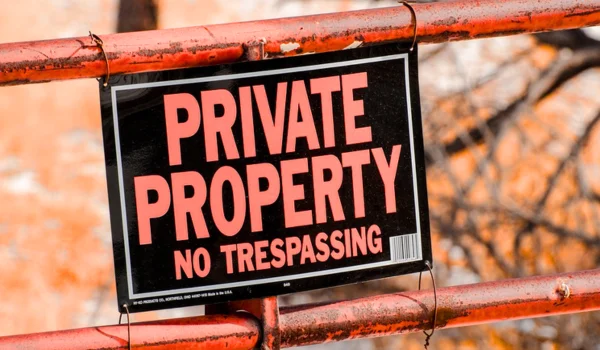
Texas Trespassing Laws on Private Property: What Every Property Owner and Visitor Should Know

Private property rights are taken seriously in Texas. Whether you own a home in Houston, ranch land in West Texas, or a small retail shop in Dallas, the law gives you strong protections against unwanted visitors. At the same time, Texas law also explains clearly when someone crosses the line and becomes a trespasser.
If you’ve ever wondered:
- Can I post “No Trespassing” signs and keep people out?
- What if someone walks across my land by mistake?
- When can police arrest someone for trespassing?
- What are my rights if someone refuses to leave?
This guide breaks down Texas trespassing laws in plain English—no complicated legal language—so you can understand how the rules work in real life.
What Is Trespassing Under Texas Law?
In simple terms, trespassing happens when someone enters or stays on private property without permission.
Under Texas law, a person commits criminal trespass if they:
- Enter property without the owner’s effective consent, and
- Had notice that entry was forbidden, or
- Remain on the property after being told to leave.
Those two ideas—lack of consent and notice—are the key parts of the law.
What Does “Notice” Mean?
Many people think you must have a giant “No Trespassing” sign to enforce your rights. That’s not always true.
In Texas, “notice” can include:
- Verbal communication (“You need to leave now.”)
- Written notice
- Posted signs
- Fencing or other obvious barriers
- Purple paint markings (more on that below)
- Visible crops growing on the land
So even if there’s no sign, someone can still be trespassing if they were told to leave and refuse.
The Texas Purple Paint Law
Texas has a unique and very practical rule known as the Purple Paint Law.
Instead of putting up signs, landowners can mark trees or fence posts with purple paint to signal “No Trespassing.”
For the markings to be valid, they must:
- Be vertical lines at least 8 inches long
- Be at least 1 inch wide
- Be placed between 3 and 5 feet from the ground
- Be visible and spaced according to legal distance rules
This law is especially helpful for:
- Ranch owners
- Farmers
- Large rural property owners
It saves money on signage and avoids the problem of signs being removed or damaged.
If someone crosses land clearly marked with purple paint, they can be charged with trespassing.
Types of Property Covered by Trespassing Laws
Texas trespassing laws apply to many types of private property, including:
- Homes and residential yards
- Apartment complexes
- Businesses and commercial property
- Farms and ranches
- Fenced land
- Construction sites
- Gated communities
It also applies to vehicles and buildings.
Entering a locked car without permission, for example, could be considered trespassing—or even a more serious offense depending on intent.
Is Trespassing Always a Crime?
Yes, trespassing is generally a criminal offense in Texas. However, the seriousness depends on the situation.
Most Common Level: Class B Misdemeanor
In many cases, criminal trespass is a Class B misdemeanor, which can result in:
- Up to 180 days in jail
- A fine up to $2,000
When It Becomes More Serious
Trespassing can be elevated to a Class A misdemeanor (more serious) if:
- The property is a habitation (someone’s home)
- The trespasser carries a deadly weapon
A Class A misdemeanor can carry:
- Up to 1 year in jail
- A fine up to $4,000
The penalties increase because entering someone’s home or doing so while armed creates greater danger.
What If Someone Enters by Mistake?
Texas law recognizes that honest mistakes happen.
For example:
- A hunter accidentally crosses a boundary line.
- A hiker wanders onto private land without realizing it.
- A delivery driver enters the wrong driveway.
Intent matters.
If the person did not receive notice and had no reason to know the property was private, law enforcement may issue a warning rather than make an arrest.
However, once someone is told to leave and refuses, the situation becomes clear trespassing.
What Are a Property Owner’s Rights?
Texas property owners have strong rights, but they must still follow the law.
You have the right to:
- Ask someone to leave your property.
- Post signs or purple paint markings.
- Call law enforcement if someone refuses to leave.
- File a criminal complaint.
- In some cases, seek a restraining or protective order.
However, you do not have the right to:
- Use excessive force.
- Physically assault someone just for being on your property.
- Detain someone unlawfully (unless very specific citizen’s arrest rules apply).
Can You Use Force Against a Trespasser?
This is where many people get confused.
Texas does allow property owners to use force in certain situations—but the force must be reasonable.
You may use force if:
- It is immediately necessary to stop trespassing.
- It is proportionate to the situation.
Deadly force is only justified in very limited circumstances, such as preventing certain serious crimes at night (like burglary) or protecting yourself from immediate danger.
Using excessive force in a simple trespassing situation can lead to serious criminal charges against the property owner.
When in doubt, call law enforcement instead of escalating the situation.
Trespassing vs. Burglary
People often mix up these two terms.
Trespassing = Entering property without permission.
Burglary = Entering property with the intent to commit a crime (like theft or assault).
Burglary is a felony and much more serious than trespassing.
For example:
- Someone walking across your yard = possibly trespassing.
- Someone breaking into your house to steal = burglary.
Intent makes a big difference.
What About Businesses and “Public” Access?
A store is open to the public—but that does not mean anyone can stay indefinitely.
A business owner can ask someone to leave for legitimate reasons, such as:
- Disruptive behavior
- Refusal to follow store policies
- Loitering
If the person refuses, they may be charged with trespassing.
However, businesses must follow anti-discrimination laws. They cannot remove someone based on race, religion, disability, or other protected categories.
Trespassing in Apartment Complexes
Apartment complexes are private property.
Common issues include:
- Non-residents using parking areas
- Former tenants returning without permission
- Guests overstaying
Landlords can issue written “criminal trespass warnings” that prohibit certain individuals from returning.
If that person comes back after receiving notice, they can be arrested.
Hunting and Trespassing
Trespassing laws are especially important in rural Texas.
Hunters must have permission before entering private land. Hunting without consent can lead to:
- Trespassing charges
- Hunting violations
- Loss of hunting license
Even retrieving wounded game from private land requires landowner permission.
How Police Handle Trespassing Complaints
When law enforcement responds:
- They determine whether the person had notice.
- They verify whether consent was given.
- They may issue a warning or make an arrest.
Officers often give individuals an opportunity to leave voluntarily before taking further action—unless the situation is aggressive or threatening.
How to Protect Your Property Legally
If you want to reduce trespassing problems, consider:
- Posting clear “No Trespassing” signs.
- Using purple paint markings (for rural property).
- Installing fencing.
- Using security cameras.
- Keeping gates locked when possible.
- Documenting incidents with photos or videos.
These steps strengthen your case if law enforcement becomes involved.
What If You Are Accused of Trespassing?
If you are accused:
- Do not argue aggressively with officers.
- Explain calmly if you believed you had permission.
- Avoid returning to the property once told to leave.
A trespassing charge can appear on a criminal record, so it’s important to take it seriously.
Frequently Asked Questions
Can someone walk across my unfenced land?
If there is no notice (no signs, no purple paint, no verbal warning), it may be harder to prove trespassing. Once notice is given, remaining becomes illegal.
Can I shoot someone for trespassing?
No. Deadly force is only justified in extreme situations involving serious threats or specific crimes. Simple trespassing does not justify deadly force.
Does a “No Trespassing” sign automatically allow arrest?
It provides legal notice. If someone ignores it, they can be charged.
Can I ban someone permanently?
Yes, through a criminal trespass warning. If they return after notice, they can be arrested.
Final Thoughts: Respect and Responsibility
Texas strongly protects private property rights—but it also expects property owners to act responsibly.
For property owners:
- Give clear notice.
- Stay calm.
- Call law enforcement when needed.
- Avoid taking matters too far.
For visitors:
- Respect signs and boundaries.
- Leave immediately if asked.
- When in doubt, ask for permission.
Understanding Texas trespassing laws helps everyone avoid unnecessary conflict and legal trouble. In a state where land ownership carries deep meaning and pride, knowing your rights—and respecting others’—goes a long way.