Best Universities in Texas: A Complete Guide to Admission, Tuition, Scholarships, Rankings, and Student Life (2026)

Texas is home to some of the most respected universities in the United States. From nationally ranked public research institutions to prestigious private universities, the state offers outstanding opportunities for undergraduate, graduate, and professional education. Every year, thousands of students from across the U.S. and around the world choose Texas because of its academic excellence, affordable education options, cutting-edge research, and strong career prospects.
Whether you’re interested in engineering, business, medicine, computer science, law, education, or the arts, Texas universities provide world-class programs supported by experienced faculty, modern facilities, and extensive industry connections.
This guide covers the best universities in Texas, including admission requirements, eligibility, tuition, scholarships, rankings, student life, career opportunities, and frequently asked questions.
Why Study at a University in Texas?
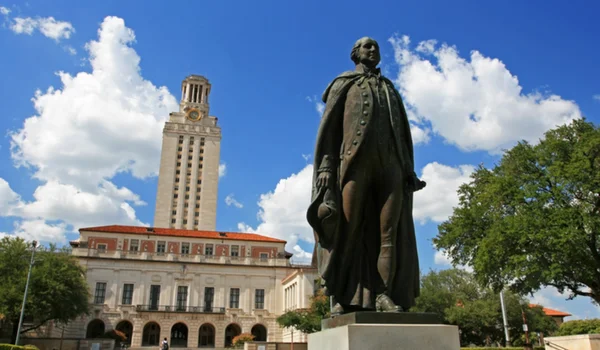
Texas has become one of America’s leading destinations for higher education.
Some key advantages include:
- Nationally recognized universities
- Strong research opportunities
- Affordable public education
- Diverse academic programs
- Excellent internship opportunities
- Growing technology and healthcare industries
- Modern campus facilities
- Active student communities
- Strong alumni networks
- High graduate employment rates in many fields
The state’s growing economy also provides students with numerous internship and job opportunities before and after graduation.
Best Universities in Texas
- The University of Texas at Austin
The University of Texas at Austin is consistently ranked among the top public universities in the United States.
Popular Programs
- Computer Science
- Engineering
- Business
- Law
- Communication
- Education
- Natural Sciences
- Architecture
Highlights
- Leading research university
- Strong technology partnerships
- Excellent internship opportunities
- Large alumni network
- Vibrant campus life
It is particularly well known for innovation, entrepreneurship, and research.
- Texas A&M University
Texas A&M University is one of the largest universities in the country and is recognized for its academic excellence and research.
Popular Programs
- Engineering
- Agriculture
- Business
- Veterinary Medicine
- Computer Science
- Public Health
- Environmental Sciences
Highlights
- Strong research funding
- Military traditions
- Extensive alumni network
- Excellent engineering programs
- High student engagement
- Rice University
Rice University is a highly selective private research university located in Houston.
Popular Programs
- Engineering
- Computer Science
- Business
- Architecture
- Natural Sciences
- Humanities
Highlights
- Small class sizes
- Outstanding faculty
- Strong research opportunities
- High graduation rates
- Personalized learning environment
- University of Houston
The University of Houston serves one of the nation’s largest metropolitan areas.
Popular Programs
- Business
- Engineering
- Hospitality Management
- Law
- Education
- Health Sciences
Highlights
- Diverse student population
- Strong industry partnerships
- Urban campus
- Research opportunities
- Texas Tech University
Texas Tech University offers a broad range of undergraduate and graduate programs.
Popular Programs
- Business
- Engineering
- Agriculture
- Nursing
- Architecture
- Media and Communication
Highlights
- Affordable tuition
- Research initiatives
- Strong campus traditions
- Growing technology programs
- University of North Texas (UNT)
UNT is recognized for academic excellence and innovation.
Popular areas include:
- Music
- Business
- Computer Science
- Education
- Data Science
- Information Technology
UNT is known for creativity, research, and student engagement.
- Texas State University
Texas State University continues expanding its research and academic offerings.
Popular programs include:
- Education
- Criminal Justice
- Engineering Technology
- Biology
- Business
- Computer Science
Its location between Austin and San Antonio provides valuable internship opportunities.
- Baylor University
Baylor University is one of Texas’ leading private universities.
Popular programs include:
- Business
- Nursing
- Law
- Medicine
- Engineering
- Education
The university emphasizes academic excellence and leadership development.
- Southern Methodist University (SMU)
SMU is a nationally recognized private university in Dallas.
Strong programs include:
- Business
- Engineering
- Law
- Data Science
- Economics
- Liberal Arts
Its strong corporate connections provide valuable internship and career opportunities.
- University of Texas at Dallas (UT Dallas)
UT Dallas has become one of Texas’ fastest-growing research universities.
Popular fields include:
- Artificial Intelligence
- Computer Science
- Engineering
- Business Analytics
- Cybersecurity
- Mathematics
Its close ties to the Dallas technology industry create excellent career pathways.
University Rankings
University rankings often consider factors such as:
- Academic reputation
- Graduation rates
- Faculty qualifications
- Research output
- Student satisfaction
- Graduate employment
- Campus resources
- Financial value
While rankings are helpful, students should also evaluate programs, campus culture, affordability, and career outcomes.
Admission Requirements
Admission standards vary by institution.
Most universities require:
- Completed application
- High school diploma or equivalent
- Official transcripts
- Application fee (where applicable)
- Personal essay (at some institutions)
- Letters of recommendation (for certain programs)
- Standardized test scores if required or submitted under institutional policies
Graduate programs typically require a bachelor’s degree and may request additional materials such as resumes, writing samples, or entrance exam scores depending on the program.
Eligibility
Applicants generally must:
- Graduate from high school or earn a GED for undergraduate admission
- Meet university academic requirements
- Complete prerequisite coursework for certain majors
- Submit all required application materials before deadlines
International students may have additional English language proficiency and visa requirements.
Tuition and Costs
Tuition varies depending on:
- Public or private university
- Texas residency status
- Degree program
- Number of credit hours
Students should also budget for:
- Housing
- Meal plans
- Books
- Transportation
- Health insurance (where required)
- Technology fees
- Personal expenses
Public universities generally offer lower tuition rates for Texas residents than for non-residents.
Scholarships and Financial Aid
Many universities offer financial assistance to eligible students.
Merit Scholarships
Based on:
- Academic achievement
- Leadership
- Community service
- Special talents
Need-Based Financial Aid
Students demonstrating financial need may qualify for grants, work-study opportunities, and loans through federal, state, and institutional aid programs.
Departmental Scholarships
Many academic departments offer scholarships to students enrolled in specific majors.
Athletic Scholarships
Student-athletes may qualify for scholarships through NCAA or other athletic programs, depending on eligibility and institutional policies.
External Scholarships
Private organizations, employers, nonprofit foundations, and community groups also provide scholarship opportunities.
Students should complete the FAFSA or, if applicable, the TASFA as early as possible to maximize financial aid eligibility.
Student Life
Texas universities provide vibrant campus experiences.
Students can participate in:
- Student government
- Academic organizations
- Cultural clubs
- Volunteer programs
- Fraternities and sororities
- Research projects
- Intramural sports
- NCAA athletics
- Music and performing arts
- Entrepreneurship competitions
Campus involvement helps students build leadership and networking skills.
Housing Options
Students may choose from:
- Residence halls
- Apartment-style housing
- Family housing (at some universities)
- Off-campus apartments
Living on campus can help first-year students become part of the university community.
Research Opportunities
Many Texas universities are nationally recognized for research.
Students may participate in projects involving:
- Artificial Intelligence
- Healthcare
- Engineering
- Energy
- Robotics
- Biotechnology
- Space Science
- Environmental Studies
Research experience strengthens graduate school and job applications.
Internship Opportunities
Texas’ strong economy provides internships in industries such as:
- Technology
- Healthcare
- Energy
- Finance
- Manufacturing
- Aerospace
- Government
- Education
Internships help students gain practical experience before graduation.
Career Opportunities After Graduation
Graduates from Texas universities enter careers across many industries.
Popular career fields include:
Engineering
- Civil Engineer
- Mechanical Engineer
- Electrical Engineer
- Software Engineer
Healthcare
- Physician
- Nurse
- Pharmacist
- Healthcare Administrator
Business
- Financial Analyst
- Marketing Manager
- Accountant
- Management Consultant
Technology
- AI Engineer
- Cybersecurity Analyst
- Data Scientist
- Cloud Engineer
Education
- Teacher
- School Administrator
- Instructional Designer
Law and Public Service
Graduates also pursue careers in law, public administration, public policy, and government.
Benefits of Studying in Texas
Students enjoy:
- High-quality education
- Affordable public universities
- Strong job market
- Diverse communities
- Modern campuses
- Excellent research facilities
- Industry partnerships
- Extensive alumni networks
- Opportunities in growing industries
These advantages make Texas an attractive destination for higher education.
Challenges to Consider
Students should also consider:
- Competitive admissions at some universities
- Housing costs in major cities
- Balancing academics with extracurricular activities
- Planning for educational expenses
- Choosing the right major based on career goals
Careful planning and academic advising can help students address these challenges.
Future of Higher Education in Texas
Texas universities continue investing in:
- Artificial intelligence research
- Semiconductor innovation
- Healthcare education
- Renewable energy research
- Cybersecurity
- Online learning
- Workforce development
- Entrepreneurship programs
- Industry partnerships
These investments help prepare graduates for rapidly changing careers.
Tips for Choosing the Right University
Before making your decision:
- Compare academic programs.
- Visit campuses if possible.
- Review graduation and career outcomes.
- Research internship opportunities.
- Compare tuition and financial aid packages.
- Explore campus culture.
- Consider housing options.
- Speak with current students and admissions counselors.
Choosing a university that matches your academic interests, budget, and career goals can lead to a more rewarding college experience.
Frequently Asked Questions
What is the best university in Texas?
The answer depends on your academic goals. The University of Texas at Austin is widely recognized for its overall academic excellence, Texas A&M University is known for engineering and research, and Rice University is highly regarded for its small classes and selective academic environment.
Are Texas public universities affordable?
Yes. Public universities generally offer lower tuition for Texas residents than private institutions or out-of-state tuition rates, although total costs vary by campus and program.
Can international students study in Texas?
Yes. Many Texas universities welcome international students and provide academic support, cultural programs, and international student services.
Are scholarships available?
Yes. Universities offer merit-based and need-based aid, and students may also qualify for scholarships from government programs, nonprofit organizations, employers, and community foundations.
Which Texas university is best for technology?
Several universities have strong technology programs. The University of Texas at Austin, Texas A&M University, the University of Texas at Dallas, Rice University, and Texas Tech University are well known for engineering, computer science, artificial intelligence, cybersecurity, and related fields.
Conclusion
The best universities in Texas offer students an outstanding combination of academic excellence, research opportunities, career preparation, and campus life. Whether you choose a large public research university like The University of Texas at Austin or Texas A&M University, a highly selective private institution like Rice University, or another respected university across the state, you’ll find programs that support a wide range of educational and professional goals. With affordable options for Texas residents, generous scholarship opportunities, growing connections to industries such as technology, healthcare, energy, and business, and a strong commitment to innovation, Texas continues to be one of the best places in the United States to earn a college degree and prepare for long-term career success.