What $500,000 Can Buy in Houston, Texas: Home Prices, Neighborhoods and Market Trends in 2026

A $500,000 budget can buy very different homes across Houston, Texas. In some central neighbourhoods, buyers may need to settle for a smaller bungalow or a multi-storey townhome to stay close to employment centres, restaurants and cultural attractions. In suburban communities such as Cypress and Katy, the same budget can provide substantially more living space, modern interiors and access to community amenities.
A report published by the Houston Chronicle on October 19, 2026, examined what buyers can find in the Houston metropolitan area using listings and sales information from the Houston Association of Realtors (HAR). The analysis covered properties generally priced between $490,000 and $550,000, highlighting the differences between central Houston and its surrounding suburbs.
The findings illustrate an important reality for homebuyers: purchasing a property involves more than comparing asking prices. Location, commuting time, property taxes, school districts, flood exposure, insurance expenses and homeowners association (HOA) fees can significantly affect the overall cost of ownership.
What Does a $500,000 Budget Mean in Houston’s Housing Market?
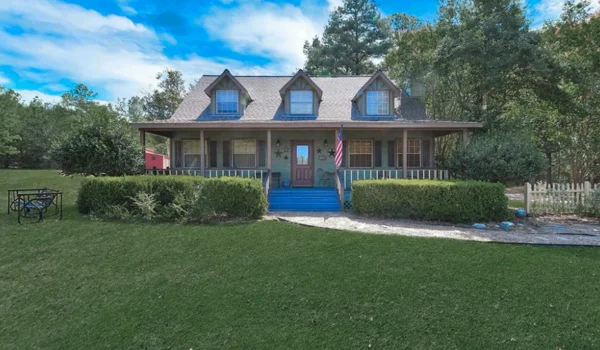
Houston’s housing market offers a broad selection of properties, from older homes in established urban neighbourhoods to newly constructed houses in master-planned communities.
According to HAR’s full-year 2025 housing market report, the median price of a single-family home was approximately $335,000. The average price was higher, at approximately $426,000. These figures help put a $500,000 budget into perspective: it sits above the metropolitan area’s typical single-family home price, although the amount of space and the type of property available depend heavily on the neighbourhood.
The Chronicle’s October 2026 comparison identified several areas where buyers could explore homes within or close to this budget.
| Neighbourhood | What buyers may find | Main consideration |
| Medical Center Area | Multi-storey townhomes and relatively spacious urban properties | Vertical layouts and limited traditional yard space |
| The Heights | Older bungalows and renovated historic homes | Smaller floor plans and location-specific flood risks |
| Cypress South | Modern, larger homes in planned communities | Commuting distance, property taxes and HOA fees |
| Katy Old Towne | Newer family homes and established suburban properties | Traffic, flooding and potential land subsidence |
| The Woodlands | Updated traditional homes on wooded lots | Higher local prices and longer commutes |
| League City | Larger homes, waterfront surroundings and newer construction | Flood insurance, windstorm coverage and local taxes |
| Spring Branch | A mixture of renovated ranch homes and newer properties | Traffic and varying flood exposure |
These examples reflect the source’s market snapshot, rather than a comprehensive inventory of homes currently available.
- Medical Center Area: Convenient Access to Houston’s Employment Centres
The Medical Center Area appeals to buyers who want to live near the Texas Medical Center, one of the world’s largest medical complexes. Healthcare professionals, medical students and people working in nearby institutions may find the location particularly convenient.
The area also benefits from access to Houston’s light-rail network, Hermann Park and the Museum District.
However, a $500,000 budget may mean choosing a townhome-style property rather than a conventional detached house with a large yard. One example highlighted in the Chronicle’s analysis was a four-storey residence in Kings Crossing Station that sold after being listed for approximately $490,000. The property offered around 3,229 square feet, multiple bedrooms, balconies and outdoor space.
School assignments vary by address, so buyers with children should check the relevant school boundaries and current ratings before making an offer.
Best suited for: Buyers prioritising access to the Texas Medical Center, cultural attractions and urban employment opportunities.
- The Heights: Historic Character and Inner-City Living
The Heights is among Houston’s best-known established neighbourhoods, recognised for its older houses, tree-lined streets, walking trails and restaurants.
At this price point, buyers may find a renovated bungalow or a smaller historic home. The Chronicle featured a two-bedroom bungalow that was originally listed for $495,000 and sold in March 2026 within HAR’s reported sale-price range of $482,001 to $552,000.
The trade-off is space. Buyers may have to accept fewer bedrooms or less interior square footage than they would receive in a newer suburban development.
Flood risk is another consideration. White Oak Bayou and Little Oak Bayou run through parts of the broader Heights area, and some properties lie within flood-prone areas. A neighbourhood’s reputation alone cannot establish whether an individual property is safe from flooding.
Prospective buyers should review FEMA flood maps, historical flooding records and insurance requirements before purchasing.
Best suited for: Buyers who value established neighbourhood character, walkability and proximity to central Houston.
- Cypress South: More Space and Modern Amenities
Cypress South offers a different experience from the Inner Loop. Large master-planned communities, newer construction and family-oriented amenities make the area attractive to buyers seeking additional bedrooms and outdoor space.
Communities such as Bridgeland, Marvida and Towne Lake offer access to trails, green spaces and recreational facilities.
The Chronicle highlighted a 2,693-square-foot, four-bedroom home in Bridgeland’s Parkland Village that was listed for $495,000 in early October 2026. Another property in Cypress Creek Lakes, measuring approximately 3,113 square feet, was also listed at $495,000.
These examples show how a similar budget can provide substantially more space than some central-city properties.
However, buyers should calculate the complete ownership cost. Property taxes, HOA fees and insurance can add significantly to monthly expenses. Commuting times also depend on the destination, traffic and departure time.
Best suited for: Families and buyers who prioritise larger floor plans, newer homes and planned-community amenities.
- Katy Old Towne: Family Homes and Suburban Convenience
Katy combines an established downtown area with extensive residential development, shopping centres and master-planned communities.
The Chronicle’s comparison included a home in Sunterra built in 2023. Listed for $499,900 in early October, the property offered approximately 3,581 square feet, five bedrooms, four bathrooms and access to the community’s Crystal Lagoon amenity.
Another property in Elyson, built in 2021, was listed for $515,000 and offered five bedrooms across approximately 2,709 square feet.
These examples demonstrate the space and modern features that buyers may find around the $500,000 price range in Katy.
Nevertheless, a large house does not automatically mean lower overall expenses. Buyers should investigate property taxes, HOA charges, insurance costs and any applicable municipal utility district or other development-related charges.
Traffic is also important. The Chronicle noted that congested roads can produce long commutes to central Houston and the Energy Corridor.
Flood exposure and land subsidence are additional concerns in parts of the Katy area. Buyers should assess the particular property’s location rather than assuming every subdivision has the same risk.
Best suited for: Buyers seeking newer construction, multiple bedrooms and suburban community facilities.
- The Woodlands: Green Spaces and Established Residential Communities
The Woodlands is known for its wooded surroundings, planned development, retail districts and recreational amenities. Its Waterway connects restaurants, shops and public spaces, while the Cynthia Woods Mitchell Pavilion provides a major outdoor entertainment venue.
At approximately $500,000, buyers may find updated homes in established residential neighbourhoods rather than the newest or largest properties in the community.
For example, the Chronicle highlighted a 2,465-square-foot home in the Forest Lake community that was listed for $489,000 in early October. Built in 1993, the property had three bedrooms and two-and-a-half bathrooms and had received several updates, including improvements to its HVAC system, flooring, lighting and windows.
The area offers an attractive residential environment, but its median home price is considerably higher than the Houston metropolitan area’s median. Commuters should also evaluate travel times to their workplaces.
Best suited for: Buyers who value mature trees, established neighbourhoods and access to recreational and commercial amenities.
- League City: Larger Homes Near the Gulf Coast
League City lies between Houston and Galveston and offers access to waterfront recreation, marinas and NASA’s Johnson Space Center in the Clear Lake area.
In the Chronicle’s comparison, a home in Westover Park offered approximately 3,040 square feet, a large backyard and a whole-home generator. Originally listed for $499,999, it sold in September 2026 for a price within HAR’s reported range of $420,000 to $482,000.
Another newly built home in Westland Ranch offered approximately 2,906 square feet, four bedrooms and three bathrooms.
The location can appeal to households seeking more space and access to coastal recreation. However, flood exposure deserves particular attention. Some properties may also require windstorm insurance in addition to standard homeowners coverage.
Buyers should examine property taxes, homeowners association charges and any applicable MUD or PID assessments before committing to a purchase.
Best suited for: Buyers who want larger suburban homes, access to Clear Lake employment centres and proximity to coastal amenities.
- Spring Branch: A Middle Ground Between Urban and Suburban Living
Spring Branch combines established residential streets with renovated older houses and newer construction. Its location near Interstate 10, Memorial City and the Energy Corridor makes it attractive to some Houston-area commuters.
The Chronicle featured a one-storey ranch-style home in the Sherwood Oaks community that was listed for $517,500 in early October. The property offered approximately 2,185 square feet, four bedrooms, a home office and a large shaded backyard.
Unlike some newer suburban communities, Spring Branch includes a wider mixture of property ages, layouts and lot sizes.
However, traffic on Interstate 10 and nearby roads can be a challenge. Flood risk also varies considerably within the area, especially near local waterways and Addicks Reservoir.
School ratings and boundaries differ by address, so buyers should verify current information directly with the relevant school district and the Texas Education Agency.
Best suited for: Buyers seeking a balance between established neighbourhoods, residential space and access to Houston’s employment centres.
How Houston’s Housing Market Has Changed
Houston’s housing market has experienced significant changes in the years since the COVID-19 pandemic.
During the pandemic-era housing boom, competition for homes increased in many markets. Rising home values and mortgage rates subsequently made affordability a greater concern for prospective buyers.
By 2025, the Greater Houston market was showing signs of greater balance. HAR reported that single-family home sales increased 3.8% from 2024 to 88,634 transactions. The median single-family home price remained approximately $335,000, while inventory expanded.
In July 2026, HAR recorded 40,750 active single-family home listings, the highest level in its historical series at that point. The median price was $340,000.
More listings can give buyers greater choice and potentially more negotiating opportunities. However, higher inventory does not mean every seller will accept a substantial discount, particularly for well-maintained homes in desirable locations.
The $500,000 comparison illustrates how buyers can use that additional choice to evaluate different neighbourhoods rather than focusing exclusively on a single citywide price figure.
What Buyers Should Check Before Spending $500,000
Before making an offer, prospective homeowners should assess more than the property’s advertised price.
- Flood history: Check FEMA flood maps, local drainage conditions and the property’s previous flood claims where information is available.
- Insurance: Obtain quotes for homeowners coverage and any required flood or windstorm policies.
- Property taxes: Review the current assessed value, applicable tax rates and any MUD or PID charges.
- School boundaries: Confirm the assigned schools for the exact address and review current ratings.
- Commuting costs: Test realistic travel times during peak hours and account for fuel, tolls or public transport.
- HOA fees: Review monthly or annual charges, restrictions and any special assessments.
- Inspection and maintenance: Evaluate the roof, foundation, plumbing, HVAC system and other major components, particularly in older properties.
- Mortgage affordability: Calculate the down payment, interest, closing costs and monthly payment before committing to a price range.
Conclusion
A $500,000 home budget offers a wide range of choices in Houston, Texas, but the best option depends on a buyer’s priorities.
The Heights and Medical Center Area may appeal to people who value central locations, while Cypress and Katy offer opportunities for larger homes and modern amenities. The Woodlands provides an established, green suburban environment, and League City and Spring Branch offer different balances of space, accessibility and lifestyle.
The most effective approach is to compare the total cost of ownership, not just the asking price. By checking flood exposure, taxes, insurance, school assignments and commuting requirements, buyers can make a more informed decision about which Houston neighbourhood best suits their budget and long-term plans.