Texas has become one of the most popular retirement destinations in the United States—and it’s not hard to see why. With no state income tax, a relatively affordable cost of living, diverse landscapes, and access to excellent healthcare, the Lone Star State offers a strong mix of financial advantages and lifestyle benefits.
I’ve helped many retirees move to Texas from California, Illinois, New York, Florida, and even within Texas itself. The key to choosing the right retirement city isn’t just affordability—it’s finding the place that fits your lifestyle, health needs, and long-term plans.
Below is a detailed guide to the best cities in Texas for retirees, based on affordability, healthcare access, safety, amenities, climate, and overall quality of life.
Why Retirees Choose Texas
Before we look at specific cities, here’s why so many retirees relocate to Texas:
- No state income tax (Social Security and retirement income aren’t taxed at the state level)
- Affordable housing compared to many coastal states
- Large retiree communities
- Mild winters in most regions
- Access to major medical centers
- Strong property rights and estate planning flexibility
However, property taxes can be higher than the national average. The good news? Texas offers property tax exemptions for homeowners age 65 and older, which can significantly reduce your tax burden.
1. San Antonio
San Antonio consistently ranks as one of the best cities in Texas for retirees.
Why It’s Great for Retirees
- Lower cost of living than Austin or Dallas
- Strong healthcare network
- Rich history and culture
- Mild winters
- Active retiree community
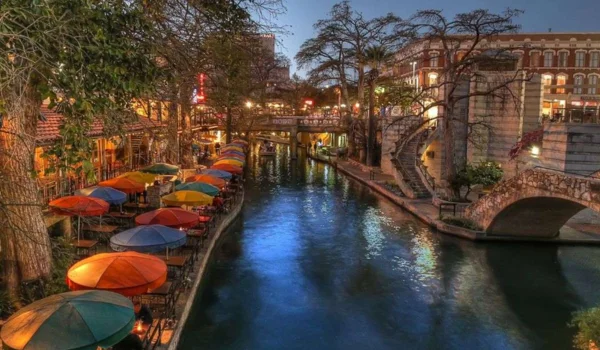
San Antonio offers a comfortable balance of city amenities and affordability. The historic River Walk, missions, cultural festivals, and vibrant food scene provide plenty of entertainment without big-city stress.
Healthcare is a major advantage here, with respected hospitals and medical centers throughout the city.
Best Areas for Retirees in San Antonio
- Alamo Heights
- Stone Oak
- Helotes
- Boerne (just outside the city)
San Antonio is ideal for retirees who want culture, affordability, and strong healthcare access.
2. Austin
Austin is known as a tech hub, but it’s also increasingly attractive to active retirees.
Why Retirees Choose Austin
- Beautiful Hill Country scenery
- Excellent healthcare facilities
- Outdoor lifestyle (lakes, trails, parks)
- Mild winters
Austin is more expensive than other Texas cities, but many retirees appreciate the vibrant atmosphere and natural beauty. If you’re an active retiree who enjoys hiking, kayaking, live music, and social events, Austin can be a great fit.
Considerations
Housing prices are higher than the Texas average. Property taxes can also be significant, though senior exemptions help.
Austin works best for retirees with strong retirement savings who want an energetic environment
3. Georgetown
Located just north of Austin, Georgetown is one of the most popular retirement cities in Texas.
What Makes Georgetown Special
- Sun City Texas (one of the largest 55+ communities in the country)
- Safe, well-maintained neighborhoods
- Small-town charm with access to Austin healthcare
- Active social lifestyle
Sun City Texas offers golf courses, clubs, fitness centers, and organized activities designed specifically for retirees.
Georgetown is ideal if you want a retirement-focused community with easy access to a major metro area.
4. The Woodlands
The Woodlands, near Houston, is known for its master-planned layout, greenery, and safety.
Retirement Benefits
- Excellent healthcare in the Houston metro area
- Beautiful parks and walking trails
- Upscale but peaceful atmosphere
- Access to cultural events and airports
Houston’s medical center is one of the largest in the world, making this region especially attractive for retirees who prioritize healthcare access.
The Woodlands is perfect for retirees seeking a suburban, quiet, well-designed environment.
5. Frisco
Frisco, north of Dallas, is often seen as a family city—but it’s also appealing to retirees.
Why It Works
- Newer housing developments
- Clean and well-maintained neighborhoods
- Close to Dallas medical facilities
- Plenty of shopping and entertainment
Retirees who want to be near children or grandchildren in the Dallas-Fort Worth area often choose Frisco or nearby Plano.
It’s a good choice for retirees who want suburban convenience with access to big-city healthcare.
6. Corpus Christi
If coastal living is your retirement dream, Corpus Christi deserves attention.
What You’ll Love
- Gulf Coast access
- Relaxed pace of life
- Affordable housing
- Fishing, boating, and beach activities
Corpus Christi offers lower home prices than many inland Texas cities. The coastal climate means warmer winters, though summers can be hot and humid.
This city is best for retirees who love the ocean and don’t mind hurricane season planning.
7. McAllen
McAllen, located in South Texas, is one of the most affordable cities in the state.
Why Retirees Consider McAllen
- Very low cost of living
- Warm winter climate
- Strong retiree and snowbird population
- Close proximity to the Mexico border for medical tourism and shopping
Many winter Texans (seasonal retirees from northern states) spend part of the year here.
McAllen works well for retirees prioritizing affordability and warm weather.
8. Fort Worth
Fort Worth offers a slightly quieter alternative to Dallas.
Retirement Advantages
- Cultural attractions without heavy congestion
- Strong healthcare access
- Lower housing costs than Dallas
- Western heritage and arts scene
The slower pace compared to Dallas makes Fort Worth appealing to retirees who want city amenities without overwhelming traffic.
9. Amarillo (Budget-Friendly Option)
For retirees looking to stretch their dollars, Amarillo offers:
- Very affordable housing
- Lower property prices
- Small-city atmosphere
Healthcare options are more limited than in larger metros, but for budget-conscious retirees, Amarillo can provide a comfortable lifestyle at a lower cost.
Factors to Consider Before Choosing a City
Retirement relocation is about more than just cost. Here’s what to evaluate:
- Healthcare Access
Texas has excellent medical centers in Houston, Dallas, San Antonio, and Austin. If you have ongoing medical needs, proximity to specialists should be a priority.
- Property Taxes
Texas property taxes can be high, but seniors 65+ qualify for exemptions and tax freezes in many areas.
Always calculate your total housing cost—not just the purchase price.
- Climate
- South Texas = warmer winters
- North Texas = slightly cooler winters
- Coastal areas = humidity and hurricane risk
- Central Texas = scenic but hot summers
Make sure you’re comfortable with summer heat, which can be intense statewide.
- Proximity to Family
Many retirees choose cities near children or grandchildren. Dallas-Fort Worth and Austin suburbs are especially popular for multi-generational living.
- Community Type
Do you prefer:
- A 55+ community?
- A mixed-age suburban neighborhood?
- Urban condo living?
- Coastal retirement?
Your personality and lifestyle goals matter.
Pros and Cons of Retiring in Texas
Pros
- No state income tax
- Affordable housing in many regions
- Growing economy
- Mild winters
- Diverse lifestyle options
Cons
- High property taxes (with exemptions available)
- Hot summers
- Car-dependent infrastructure
- Rapid population growth in some cities
Final Thoughts
The best city in Texas for retirees depends on what you value most:
- For affordability: McAllen or Amarillo
- For healthcare access: Houston area or San Antonio
- For active lifestyle: Austin or Georgetown
- For coastal living: Corpus Christi
- For suburban comfort: The Woodlands or Frisco
Texas offers something for nearly every retirement style—from vibrant cultural hubs to peaceful small towns.
Before making a move, I recommend:
- Visiting your top two cities in different seasons
- Comparing property tax exemptions
- Touring local healthcare facilities
- Evaluating long-term cost projections
- Speaking with a local real estate professional
Retirement is about comfort, security, and enjoyment. Texas provides strong financial advantages and a wide range of lifestyle options—but choosing the right city is what truly makes the difference.
If planned carefully, retiring in Texas can offer the balance of affordability, healthcare access, and quality of life that many Americans are searching for.