No, finding cocaine in your Texas home does not automatically make you guilty of drug possession. Prosecutors must prove that you knowingly possessed the substance rather than simply lived at the property.
Houston is located in Harris County in Southeast Texas, near the Gulf Coast, and is crossed by major highways such as Interstate 10, Interstate 45, and Interstate 69. The city has a mix of family homes, apartment complexes, and multi-unit residential properties, where several people may live together or share common areas.
When cocaine is found in a home, the key issue is whether the evidence connects a specific person to the substance, not simply whether that person lives at the address. A seasoned cocaine defense attorney in Houston can review the search, examine the evidence linking the accused to the cocaine, and assess possible defenses under Texas law.
Keep reading to understand this better!
Does Living in the Home Prove Possession?
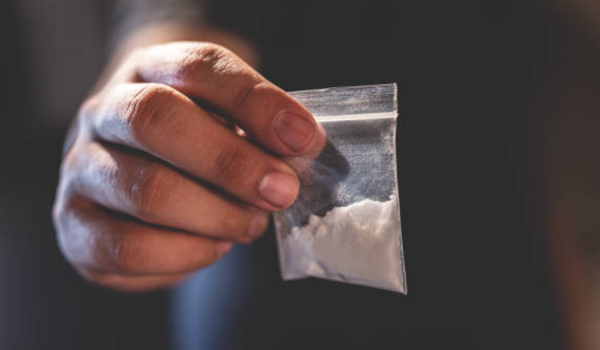
Living in a property where cocaine is discovered does not automatically establish knowing possession. Prosecutors must connect the accused to the substance through evidence of knowledge and control. Simply being present when officers discover drugs may not prove guilt.
The situation becomes more complicated when several people share a home. Roommates, relatives, partners, and visitors may access common areas or individual bedrooms.
Investigators must determine whether additional evidence connects a particular person to the cocaine.
What Is Actual or Constructive Possession?
Actual possession generally means having direct physical control over a substance. For example, cocaine found in someone’s pocket may indicate physical possession. However, prosecutors must still establish the required knowledge and other elements of the offense.
Constructive possession involves knowingly exercising control over drugs without physically holding them. Evidence might include control over the storage location or statements linking someone to the substance.
Owning the home may be relevant, but it does not automatically establish possession.
What Evidence Can Affect the Case?
Investigators may examine fingerprints, messages, photographs, and witness statements connecting someone to the suspected drugs. The substance’s location and accessibility may also matter. Prosecutors must evaluate the evidence rather than rely on the property’s address.
Evidence suggesting another person controlled the substance may also be relevant. For example, a visitor might have left drugs in a shared area without the homeowner’s knowledge. Whether this creates reasonable doubt depends on the specific facts and available evidence.
Can Police Search Your Home Legally?
The legality of a search may affect whether evidence can be used in court. Police generally need a valid warrant, consent, or another recognized legal basis to search a home. Whether an exception applies depends on the circumstances.
A defense attorney can review the warrant, search records, and officers’ actions. If the search violated constitutional protections, the defense may challenge the evidence. However, suppression is not automatic and depends on the court’s assessment.
What Penalties Could Apply in Texas?
Cocaine possession charges can carry serious criminal consequences under Texas law. The offense level generally depends on the amount involved and the specific allegations. Prior convictions and other circumstances may also affect potential penalties.
Texas Health and Safety Code Section 481.115 addresses unlawful possession of substances in Penalty Group 1. Depending on the aggregate weight, the offense may range from a state jail felony to a more serious felony.
The precise charge and possible sentence depend on the applicable law and case details.
What Should You Do After Cocaine Is Found?
Avoid discussing the incident publicly or making assumptions about the evidence. Do not interfere with potential evidence or attempt to influence witnesses. Preserve relevant information and follow applicable legal instructions.
If you are under investigation or have been charged, contact a qualified Texas criminal defense attorney promptly. Avoid answering investigative questions without understanding your rights. Early legal advice can help protect your interests and identify possible defenses.
Key Takeaways
- Cocaine found in a home does not automatically prove every resident is guilty.
- Prosecutors must establish knowing possession and the required elements of the offense.
- Shared access and the substance’s location can affect the case.
- An unlawful search may provide grounds to challenge evidence.