Property doesn’t always stay neatly in someone’s possession. Sometimes tenants leave belongings behind. Sometimes people forget about bank accounts. Sometimes land sits vacant for years. When property appears to be “abandoned,” Texas law has specific rules that determine who owns it, who can claim it, and what must be done before someone else can take control of it.
Texas abandoned property law covers several different situations, including:
- Personal belongings left behind by tenants
- Unclaimed bank accounts and money
- Abandoned vehicles
- Real estate left vacant
- Storage unit contents
- Uncashed checks and utility deposits
Understanding these rules is important whether you’re a landlord, tenant, business owner, or everyday Texan who may have unclaimed funds waiting.
Let’s break it down in plain English.
What Is “Abandoned Property” in Texas?
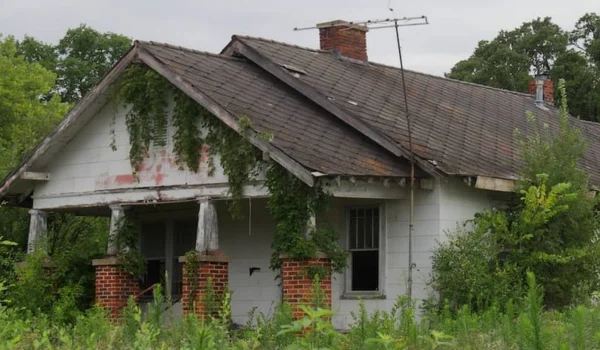
In simple terms, abandoned property is property that the owner has:
- Left behind, and
- Shown no intention of returning to claim.
However, just because something is left behind does not automatically mean it is legally abandoned. Texas law requires certain steps and time periods before property is considered truly abandoned.
The rules vary depending on the type of property involved.
- Abandoned Personal Property (Tenant Situations)
One of the most common situations involves tenants who move out and leave belongings behind.
Can a Landlord Throw Away Leftover Property?
It depends.
Under Texas law:
- If a tenant has been lawfully evicted through the court process, the constable may remove belongings and place them outside.
- Once removed, the landlord is not responsible for protecting the items.
However, if a tenant simply leaves voluntarily without eviction, the situation is different.
Texas law does not automatically give landlords the right to immediately dispose of property left inside a rental unit.
Landlords should:
- Check the lease agreement.
- Provide written notice if possible.
- Allow a reasonable opportunity for retrieval.
Many leases include clauses explaining how abandoned property will be handled. Clear lease language is extremely important.
What Counts as “Abandonment” by a Tenant?
Generally, a rental property may be considered abandoned if:
- The tenant stops paying rent, and
- Removes most personal belongings, and
- Appears to have moved out permanently.
But landlords should be cautious. If they wrongly assume abandonment and dispose of property too quickly, they could face legal claims.
- Abandoned Property in Storage Units
Texas has specific rules for self-storage facilities.
If a renter stops paying storage fees:
- The facility must send proper notice.
- After required waiting periods, the facility can auction the contents.
The proceeds are used to cover unpaid fees.
If money remains after the sale:
- The remaining balance must be sent to the Texas Comptroller as unclaimed property.
Storage facilities must strictly follow notice requirements before selling contents.
- Unclaimed Property (Money and Financial Assets)
One of the most important areas of Texas abandoned property law involves unclaimed money.
This includes:
- Dormant bank accounts
- Uncashed paychecks
- Insurance payouts
- Refund checks
- Utility deposits
- Mineral royalty payments
- Court deposits
If a financial account has no activity for a certain period (usually 3–5 years), it may be considered abandoned.
When that happens:
- The business must turn the funds over to the Texas Comptroller’s Office.
- The state holds the money until the rightful owner claims it.
Important: The state does not keep the money permanently. There is no deadline for claiming it.
Many Texans are surprised to learn they have unclaimed money waiting.
How to Check for Unclaimed Property in Texas
The Texas Comptroller maintains an online search system where individuals can:
- Search their name
- File a claim
- Submit proof of identity
It’s free to search and claim.
Be cautious of private companies offering to “recover” your funds for a fee. You can claim it directly from the state at no cost.
- Abandoned Vehicles in Texas
Vehicles are handled differently.
A vehicle may be considered abandoned if:
- It is left unattended on public property for more than 48 hours.
- It is left on private property without consent.
- It is inoperable and left in certain locations.
Law enforcement or authorized towing companies may:
- Remove the vehicle.
- Store it.
- Notify the registered owner.
If the owner does not claim it within the required timeframe, the vehicle may be auctioned.
Strict notice requirements must be followed before sale.
- Abandoned Real Estate
Real estate is rarely considered “abandoned” in the same way personal property is.
Simply leaving a home vacant does not automatically transfer ownership.
However, long-term vacancy can create risks, including:
- Tax foreclosure
- Code violations
- Squatters
- Adverse possession claims
What Is Adverse Possession?
Adverse possession is sometimes called “squatter’s rights.”
In Texas, someone may claim ownership of land if they:
- Possess it openly,
- Continuously,
- Without permission,
- For a legally required time period (often 10 years, depending on circumstances).
This is rare and requires strict proof.
Property owners should:
- Monitor vacant property.
- Pay property taxes.
- Address unauthorized occupancy quickly.
- Abandoned Property in Divorce
Sometimes during divorce, one spouse leaves property behind.
Ownership depends on:
- Whether the property is community or separate.
- Whether a court order addresses it.
Leaving property behind does not automatically mean giving up ownership rights.
It’s important to document property division clearly in divorce decrees.
- Abandoned Property After Death
If someone dies and property is left without clear heirs or probate:
- It does not immediately become abandoned.
- Texas intestate succession laws apply.
If no heirs exist, property may eventually pass to the state through a process called “escheat.”
This is rare but possible when no relatives can be found.
- What Businesses Must Know
Texas businesses must comply with unclaimed property laws.
If a company holds property belonging to someone else and there has been no activity for a certain period, it must:
- Attempt to notify the owner.
- Report and transfer the property to the state.
Failure to comply can result in penalties.
This applies to:
- Employers
- Banks
- Insurance companies
- Utility companies
- Oil and gas companies
Important Timeframes in Texas Abandoned Property Law
Timeframes vary depending on the type of property.
Common examples:
- Bank accounts: Often 3–5 years of inactivity.
- Uncashed payroll checks: Around 1 year.
- Utility deposits: Around 1–3 years.
- Storage units: Notice period followed by auction timeline.
- Vehicles: As little as 48 hours in some public cases.
Because timelines differ, it’s important to confirm the specific rule for the property type involved.
What Property Owners Should Do
If you believe property has been abandoned on your premises:
- Review any written agreements.
- Provide written notice if required.
- Wait the required time period.
- Document everything.
- Follow statutory procedures before disposal.
Acting too quickly can expose you to liability.
What Individuals Should Do
If you move out of a rental:
- Remove all belongings.
- Provide written notice.
- Update forwarding address.
If you believe you have unclaimed money:
- Search the Texas Comptroller’s website.
- File a claim directly.
If your vehicle was towed:
- Contact local law enforcement immediately.
- Act quickly before auction deadlines.
Common Misunderstandings
Let’s clear up a few myths.
Myth 1: If someone leaves something behind, it’s mine.
Not necessarily. Legal steps must be followed.
Myth 2: The state keeps unclaimed money forever.
No. The state holds it for the rightful owner indefinitely.
Myth 3: Vacant land automatically becomes someone else’s.
No. Adverse possession requires strict legal standards.
Myth 4: Landlords can throw away tenant property anytime.
Not without following proper procedures.
Why Texas Has These Laws
Abandoned property laws balance two goals:
- Protecting owners’ rights
- Allowing property to be put back into productive use
Without these laws:
- Property disputes would increase.
- Fraud could become common.
- Businesses would face uncertainty.
- Owners might permanently lose assets.
Texas aims to create fairness and clarity.
Final Thoughts
Texas abandoned property law covers a wide range of situations—from unclaimed bank accounts to tenant belongings to abandoned vehicles and vacant land.
The key idea is simple:
Property does not automatically change ownership just because it is left behind.
There are procedures, waiting periods, and notice requirements designed to protect everyone involved.
If you are dealing with abandoned property:
- Move carefully.
- Follow written agreements.
- Keep records.
- Respect legal timelines.
If you think you may have unclaimed money, take a few minutes to search. Many Texans are surprised to discover funds waiting in their name.
Understanding Texas abandoned property law helps you avoid mistakes, protect your rights, and handle property disputes with confidence.
In Texas, ownership matters—and knowing the rules ensures your property rights are protected.