Drug-related crimes have always constituted a large percentage of criminal activities within the U.S. criminal justice system. The U.S. Sentencing Commission reported that there were 18,029 offenders sentenced for federal drug trafficking offenses in fiscal year 2024, which constitutes almost 30 percent of all federal criminal cases during the same period of time.
The DEA conducted 25,110 arrests in fiscal year 2023, according to the report by the Bureau of Justice Statistics. This includes 7,381 methamphetamine-related arrests and 6,688 arrests regarding other types of opioids.
An arrest on the charge of dealing drugs can result in facing criminal charges, especially in case of claims related to sales, distribution, transportation, or possession of any kind of controlled substance with intent to distribute.
The stages following an arrest include booking, interrogations, the first court hearing, and decisions on the bail or pre-trial release.
According to an Indiana drug dealing lawyer, dealing drugs is a serious crime that comes with harsh penalties. The prison term and fine you face will depend on the circumstances of the crime, the sentencing guideline, and whether any aggravating or mitigating factors exist.
Let’s see what happens after a drug dealing arrest and what defendants can expect throughout the criminal justice process.
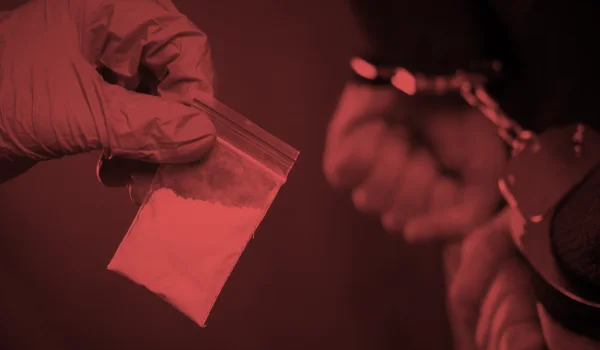
The First Hours and the Initial Appearance
After an arrest, a person is booked and then brought before a judge. In the federal system, the Department of Justice says the initial hearing happens either the same day or the day after a defendant is arrested and charged.
The judge explains the charges and the defendant’s rights, and arrangements are made for an attorney. The judge also decides whether the person stays in custody or is released until trial.
Factors that the federal judge considers when deciding to release the defendant include how long he or she has been residing in the particular locality, ties to the family, past record, and any threat to the community and witness.
Drug dealing in Indiana does not involve just possession. Drug dealing covers manufacturing, delivering, or financing the delivery of a drug. This also means possessing a drug with intent to do so.
Criminal defense practices vary from state to state. According to the Miami, Florida law firm website https://kirlewlawfirm.com/, the practice handles drug crimes, DUI, violent crimes, sex crimes, and weapons cases, along with white-collar and federal defense and family law, from offices in Miami and Fort Lauderdale.
Charging Decisions and Pleas
Charges can be modified from their initial filing. In federal court, the United States Courts state that the grand jury reviews the evidence submitted by the government and determines whether it merits a trial against the accused. The defendant is required to respond to the charges in a process known as an arraignment.
A guilty plea may be accompanied by a plea bargain in which the government reduces certain charges or requests a reduced sentencing. It has been reported that over 90 percent of all defendants choose to plead guilty rather than face trial.
State procedures will vary in the terms they employ to describe the above process, and even the documents, procedures, and timing will vary according to the specific county or court. A person facing a state charge can find a court’s own self-help or clerk pages describing the local sequence.
Trial and Sentencing
If the defendant is not guilty, the matter goes to the trial process. But, before that, both parties will engage in some discovery process, and any party can make motions, which can be a motion to suppress some evidence.
In the trial, the prosecution will have to prove its case beyond a reasonable doubt. After the trial or if there is a guilty plea, the sentencing will be determined by the judge using a presentence report. The sentence can take different forms depending on the crime and the offender.
Why Outcomes Differ
Two cases that appear similar in writing can have very different outcomes. The nature and quantity of the controlled substance, criminal record of the accused, procedure for obtaining evidence, and the venue in which the case will be tried determine the process.
The charges might be laid at various levels, and there are differences between state and federal sentencing procedures. This diversity is the reason why general guidelines work to a certain point, and court calendars and orders are important.
The beginning is always confusing, but the sequence is somewhat more defined than it seems. The arrest, first appearance, filing of the charges, plea or trial, and sentencing provide the basic structure of the process.
Keeping track of court dates and paperwork from the start gives a person a clearer view of where a case stands at each stage.