Texas has long been known for its strong gun culture and broad support for Second Amendment rights. Over the past decade, Texas gun laws—especially those related to open carry—have evolved significantly. Whether you are a Texas resident wanting to understand your rights, a business owner trying to stay compliant, or a law practice advising clients, it’s important to have a clear and accurate understanding of how open carry works in Texas.
This guide explains Texas open carry laws, without heavy legal jargon, while still offering enough depth for legal professionals and firms.
What Is “Open Carry”?
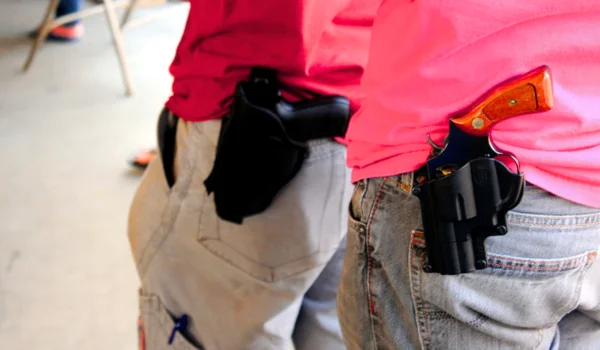
“Open carry” means carrying a handgun in public in a way that is visible to others. This is different from “concealed carry,” where the firearm is hidden from view.
In Texas, open carry is legal under certain conditions. However, it comes with specific rules about:
- Who can carry
- What type of firearm can be carried
- Where it can be carried
- How it must be carried
- When it is prohibited
Understanding these distinctions is critical.
Is Open Carry Legal in Texas?
Yes. Open carry of handguns is legal in Texas for individuals who meet the legal requirements.
As of September 1, 2021, Texas allows what is commonly called “constitutional carry” or “permitless carry.” This means many adults can carry a handgun—openly or concealed—without a License to Carry (LTC), provided they meet certain criteria.
Who Can Open Carry in Texas?
To legally open carry a handgun in Texas without a license, a person must:
- Be at least 21 years old (with limited military exceptions)
- Not be convicted of a felony
- Not be prohibited from possessing a firearm under state or federal law
- Not be intoxicated while carrying
- Not be subject to certain protective orders
- Not have recent convictions for certain violent offenses
If someone is legally prohibited from possessing a firearm, they cannot open carry under any circumstance.
For law practices: It’s essential to screen clients for disqualifying factors such as felony convictions, pending domestic violence charges, or active restraining orders.
Does Texas Still Offer a License to Carry (LTC)?
Yes.
Although Texas allows permitless carry, the License to Carry (LTC) still exists and offers important benefits:
- Reciprocity with other states
- Fewer restrictions in certain areas
- Streamlined firearm purchases
- Potentially smoother interactions with law enforcement
For many Texans—especially frequent travelers—obtaining an LTC is still a wise decision.
Law firms should continue advising clients on the strategic benefits of maintaining an LTC, particularly for those who travel or want expanded legal protections.
How Must a Handgun Be Carried?
Texas law requires that an openly carried handgun must be:
- In a holster
- The holster must be either a shoulder holster or a belt holster
The law does not require the holster to have specific retention features, but it must be designed to carry a handgun.
Carrying a handgun loosely in your hand or tucked into clothing without a holster does not qualify as lawful open carry.
What About Long Guns?
Texas has long allowed the open carry of rifles and shotguns. Generally:
- No permit is required
- They may be carried openly in most public places
However, carrying a long gun in a threatening manner can lead to charges such as disorderly conduct.
Open carry does not protect someone who uses a firearm to intimidate others unlawfully.
Where Is Open Carry Prohibited?
Even though Texas is considered gun-friendly, there are many locations where open carry is prohibited.
Prohibited Locations Include:
- Schools (K–12)
- Polling places during voting
- Courts and court offices
- Racetracks
- Secured areas of airports
- Bars that derive 51% or more of income from alcohol sales
- Correctional facilities
- Hospitals or nursing homes (if proper notice is given)
- Government meetings subject to the Open Meetings Act
Carrying in these places can lead to criminal charges, often a felony.
For law practices: Many criminal defense cases arise from individuals unknowingly carrying into restricted areas. Clear client education can prevent serious legal consequences.
What Are 30.05, 30.06, and 30.07 Signs?
Texas uses specific signage laws that business owners can use to prohibit firearms.
Penal Code 30.05
Covers general criminal trespass. Businesses may use this section to prohibit entry with firearms.
Penal Code 30.06
Prohibits concealed carry by license holders.
Penal Code 30.07
Prohibits open carry by license holders.
For a sign to be legally enforceable, it must:
- Contain exact statutory language
- Be in both English and Spanish
- Use contrasting colors
- Have letters at least one inch tall
- Be displayed conspicuously
If properly posted, a person carrying openly must leave when notified. Failure to comply can lead to arrest for criminal trespass.
Business owners should consult legal counsel before posting signage to ensure compliance with formatting requirements.
Can Police Stop You for Open Carry?
Open carry alone is not grounds for detention. However, law enforcement may approach and engage in a consensual conversation.
Police can detain someone if:
- There is reasonable suspicion of criminal activity
- The individual appears intoxicated
- The person is in a prohibited location
- The firearm is being handled in a threatening manner
If a person has an LTC and is carrying, they must display the license if asked by law enforcement.
For attorneys: Many Fourth Amendment issues arise in open carry encounters. Understanding stop-and-identify laws and reasonable suspicion standards is essential.
Open Carry and Private Property Rights
Texas strongly protects private property rights.
If a property owner gives verbal notice that firearms are not allowed, the individual must leave immediately.
Even without signage, a direct verbal request is legally binding.
Failure to leave after notice may result in criminal trespass charges.
For businesses, drafting firearm policies and training staff on proper notice procedures can reduce liability exposure.
Carrying While Intoxicated
It is illegal to carry a handgun while intoxicated.
“Intoxicated” generally means:
- A blood alcohol concentration (BAC) of 0.08% or higher
- Or lacking normal mental or physical faculties due to alcohol or drugs
This rule applies even in places where carry is otherwise legal.
Gun owners should understand that alcohol and firearms do not mix under Texas law.
Vehicle Carry in Texas
Texas allows individuals to carry a handgun in their vehicle without a license if:
- The person is not prohibited from possessing a firearm
- The firearm is not in plain view (unless in a holster and lawful under open carry rules)
- The individual is not engaged in criminal activity
Vehicles are treated somewhat differently than public spaces, but restrictions still apply in prohibited locations.
Open Carry and Self-Defense
Texas has strong self-defense laws, including:
- Stand Your Ground
- Castle Doctrine
However, simply carrying a firearm does not justify using it.
Deadly force is only justified when a person reasonably believes it is immediately necessary to protect against:
- Serious bodily injury
- Death
- Certain violent crimes
Misuse of a firearm can result in severe criminal penalties.
Law firms handling self-defense cases must carefully evaluate proportionality, immediacy, and reasonableness.
Penalties for Violations
Violating Texas open carry laws can lead to:
- Class A misdemeanors
- State jail felonies
- Third-degree felonies (in prohibited locations)
Penalties may include:
- Jail time
- Significant fines
- Permanent loss of firearm rights
For legal practices, firearm-related charges often carry long-term consequences affecting employment, housing, and civil rights.
Practical Tips for Everyday Texans
If you choose to open carry:
- Use a secure holster.
- Avoid restricted areas.
- Stay calm and professional if approached by law enforcement.
- Never carry while intoxicated.
- Consider obtaining an LTC for added flexibility.
- Understand posted signage before entering businesses.
- Keep up with legal updates, as gun laws evolve.
Being informed is the best protection.
Guidance for Law Practices
Law firms advising on Texas open carry should:
- Stay current with legislative changes
- Understand federal firearm prohibitions
- Educate clients on signage law compliance
- Develop strong defenses in unlawful carry cases
- Be prepared to litigate constitutional issues when appropriate
- Counsel business clients on liability and policy drafting
Firearm law intersects with criminal law, constitutional law, employment law, and civil liability. A multidisciplinary approach is often necessary.
Final Thoughts
Texas open carry laws provide broad rights—but they are not unlimited.
While permitless carry has expanded access, it has also increased the importance of understanding where and how firearms may legally be carried. A simple mistake—like walking into a restricted building—can turn a lawful act into a criminal charge.
For everyday Texans, the key is education and responsible behavior.
For law practices, firearm law remains a fast-evolving and high-stakes area requiring careful, up-to-date legal strategy.
Open carry in Texas reflects a balance between individual rights and public safety. Knowing the rules ensures those rights are exercised wisely and lawfully.