Texas Mortgage Pre-Approval Process (2026): A Complete Guide to Eligibility, Documents, Interest Rates & How to Get Pre-Approved

Buying a home is one of the biggest financial decisions you’ll ever make, and getting pre-approved for a mortgage is one of the smartest first steps. Whether you’re shopping for a home in Houston, Dallas, Austin, San Antonio, Fort Worth, El Paso, or anywhere else in Texas, a mortgage pre-approval helps you understand how much you may be able to borrow and shows sellers that you’re a serious buyer.
Many first-time homebuyers confuse mortgage pre-approval with prequalification, but they are not the same. A pre-approval typically involves a more detailed review of your finances and can strengthen your position when making an offer on a home.
This comprehensive guide explains the Texas Mortgage Pre-Approval Process, including eligibility requirements, interest rates, required documents, application steps, benefits, potential drawbacks, and frequently asked questions in easy-to-understand American English.
What Is Mortgage Pre-Approval?
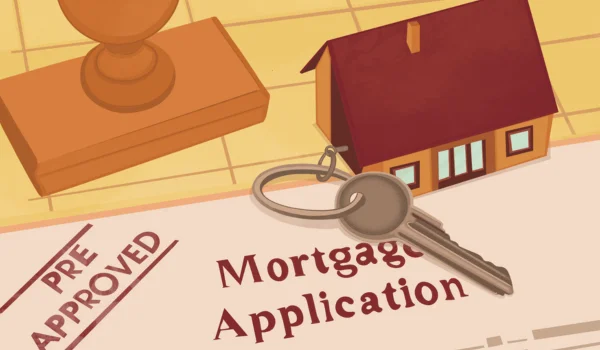
A mortgage pre-approval is a lender’s conditional commitment indicating the maximum loan amount you may qualify for based on a review of your financial information.
During pre-approval, the lender typically evaluates:
- Income
- Employment history
- Credit history
- Assets
- Existing debts
- Financial stability
If you meet the lender’s requirements, you’ll usually receive a pre-approval letter that you can use when shopping for homes.
A pre-approval is not a final loan approval. Final approval depends on the property, appraisal, underwriting, and any additional lender requirements.
Why Mortgage Pre-Approval Is Important
Getting pre-approved before house hunting offers several advantages.
Benefits include:
- Understand your home-buying budget
- Identify affordable monthly payments
- Strengthen purchase offers
- Demonstrate financial readiness to sellers
- Speed up the mortgage process after finding a home
- Discover potential financial issues early
In competitive Texas housing markets, a pre-approval letter can make your offer more attractive.
Pre-Approval vs. Prequalification
Many buyers use these terms interchangeably, but they are different.
| Feature | Prequalification | Pre-Approval |
| Financial Review | Basic | More detailed |
| Credit Review | May be limited | Usually more comprehensive |
| Income Verification | Often estimated | Typically verified |
| Documentation | Minimal | More extensive |
| Seller Confidence | Moderate | Higher |
A pre-approval generally provides a more accurate estimate of your borrowing power.
Who Can Apply for Mortgage Pre-Approval?
Eligibility requirements vary by lender, but applicants generally should:
- Be at least 18 years old
- Meet the lender’s residency and identification requirements
- Have verifiable income
- Meet credit and underwriting standards
- Demonstrate the ability to repay the loan
- Provide the required financial documentation
Pre-approval is available for various mortgage programs, including conventional, FHA, VA, and USDA loans, depending on borrower eligibility.
Credit Score Requirements
Each lender establishes its own credit standards.
Generally:
- Higher credit scores improve approval chances.
- Better credit often qualifies for lower interest rates.
- Lower debt levels and a strong payment history strengthen your application.
Checking your credit before applying can help identify areas for improvement.
Income Requirements
Lenders evaluate your ability to repay the mortgage.
Common income sources include:
- Salary
- Hourly wages
- Self-employment income
- Retirement income
- Certain disability benefits
- Other qualifying income accepted by the lender
Stable, well-documented income generally improves your chances of pre-approval.
Debt-to-Income (DTI) Ratio
Your Debt-to-Income ratio (DTI) compares your monthly debt payments to your gross monthly income.
Lenders consider debts such as:
- Auto loans
- Student loans
- Credit cards
- Personal loans
- Existing mortgages
- Other recurring obligations
A lower DTI generally increases your borrowing potential.
Down Payment Considerations
The amount of down payment required depends on the mortgage program and lender guidelines.
Loan options may include:
- Conventional loans
- FHA loans
- VA loans (for eligible borrowers)
- USDA loans (for eligible rural properties)
A larger down payment may reduce your monthly payment and overall borrowing costs.
Mortgage Interest Rates in Texas (2026)
Mortgage rates change daily based on market conditions.
Your offered rate depends on factors including:
- Credit score
- Loan type
- Down payment
- Loan amount
- Debt-to-income ratio
- Loan term
- Market conditions
Getting pre-approved may allow you to discuss available rate options with your lender, although rates are generally not guaranteed unless a rate lock is requested and approved.
Documents Needed for Mortgage Pre-Approval
Most lenders request:
- Government-issued photo ID
- Social Security number or Taxpayer Identification Number (if applicable)
- Recent pay stubs
- W-2 forms
- Federal tax returns
- Bank statements
- Employment verification
- Investment account statements (if applicable)
- Retirement account statements (if applicable)
- Proof of additional income (if applicable)
Self-employed applicants may be asked for additional business documentation.
Step-by-Step Texas Mortgage Pre-Approval Process
Step 1: Review Your Credit
Check your credit reports before applying.
Correct any errors and pay down high-interest debt if possible.
Step 2: Determine Your Budget
Estimate:
- Monthly mortgage payment
- Property taxes
- Homeowners insurance
- HOA fees (if applicable)
- Maintenance costs
- Utilities
This helps establish a realistic home-buying budget.
Step 3: Compare Multiple Mortgage Lenders
Review:
- Interest rates
- APR
- Loan fees
- Customer service
- Available mortgage programs
- Closing costs
Comparing multiple lenders can help you find the best financing option.
Step 4: Gather Financial Documents
Prepare all required documentation before submitting your application.
Complete paperwork can help speed up the review process.
Step 5: Submit Your Application
Provide accurate financial information and authorize the lender to review your credit and supporting documents.
Step 6: Financial Review
The lender evaluates:
- Credit history
- Employment
- Income
- Assets
- Existing debt
- Financial stability
Additional documents may be requested during this stage.
Step 7: Receive Your Pre-Approval Letter
If approved, you’ll receive a pre-approval letter showing:
- Estimated loan amount
- Loan program
- Certain conditions (if applicable)
The letter can be presented when making offers on homes.
Step 8: Begin Shopping for Your Home
Use your pre-approved price range to search for homes that fit your budget.
Avoid making major financial changes during this period, such as changing jobs or taking on new debt.
How Long Does a Mortgage Pre-Approval Last?
A mortgage pre-approval letter is generally valid for a limited time, often 60 to 90 days, depending on the lender.
If it expires before you purchase a home, the lender may ask you to update your financial information and obtain a new pre-approval.
What Can Affect Your Pre-Approval?
Several changes can impact your mortgage eligibility after receiving a pre-approval, including:
- Job changes
- Reduced income
- New debt
- Missed payments
- Large unexplained bank deposits
- Significant withdrawals from savings
- Decline in credit score
Maintaining financial stability until closing is essential.
Pros of Mortgage Pre-Approval
- Understands your home-buying budget
- Strengthens purchase offers
- Identifies financial issues early
- Simplifies the home-buying process
- Improves confidence while shopping
- Demonstrates credibility to sellers
Cons of Mortgage Pre-Approval
- Does not guarantee final loan approval.
- May involve a credit inquiry.
- Financial changes after pre-approval can affect eligibility.
- Requires submitting personal financial documents.
- Pre-approval letters eventually expire and may need updating.
Tips for Getting Pre-Approved
Improve Your Credit
Pay bills on time and reduce outstanding balances before applying.
Save for a Down Payment
More savings can improve your borrowing options.
Organize Your Documents
Having complete financial records helps reduce delays.
Compare Multiple Lenders
Interest rates, fees, and loan programs vary.
Avoid New Debt
Do not finance vehicles, open new credit cards, or take out additional loans while shopping for a home.
Common Mistakes to Avoid
Many buyers make avoidable mistakes, including:
- Shopping before obtaining pre-approval.
- Making large purchases during the mortgage process.
- Changing jobs before closing.
- Ignoring credit report errors.
- Borrowing the maximum amount offered without considering long-term affordability.
- Failing to compare multiple lenders.
Proper preparation can make the mortgage process smoother and reduce unexpected delays.
Frequently Asked Questions
Does mortgage pre-approval guarantee a loan?
No. Pre-approval is a conditional assessment based on your financial information. Final approval depends on underwriting, the property appraisal, title review, and meeting all lender conditions.
How long does the pre-approval process take?
The timeline varies by lender and the completeness of your documentation. Some lenders issue pre-approvals within a few days, while others may take longer.
Will pre-approval affect my credit score?
Most lenders perform a credit inquiry as part of the pre-approval process. The impact on your credit score is typically small and temporary.
Can first-time homebuyers get pre-approved?
Yes. First-time buyers can apply for pre-approval and may also qualify for specialized mortgage programs depending on their financial situation.
Should I get pre-approved before looking at homes?
Yes. Getting pre-approved first helps you focus on homes within your budget and strengthens your offers in competitive markets.
Can I apply with more than one lender?
Yes. Comparing offers from multiple lenders can help you find better interest rates, lower fees, and more favorable loan terms.
Final Thoughts
The Texas mortgage pre-approval process is one of the most important steps in buying a home. It helps you understand your budget, strengthens your negotiating position, and gives sellers greater confidence in your ability to complete the purchase.
Before applying, review your credit, gather all required financial documents, compare multiple lenders, and avoid major financial changes until your mortgage closes. While pre-approval is not a guarantee of final financing, it provides a strong foundation for a smoother and more successful home-buying experience in Texas. By preparing carefully and choosing the right lender, you’ll be better positioned to secure a mortgage that fits your financial goals and move confidently toward homeownership.