New Construction Homes in Texas (2026): Complete Guide to Buying, Costs, Taxes, Neighborhoods & Investment Opportunities

Texas remains one of the fastest-growing states in the United States, making new construction homes an increasingly popular choice for homebuyers. Expanding suburbs, master-planned communities, and growing job markets have led builders to develop thousands of new homes across the state each year.
Whether you’re a first-time homebuyer, relocating to Texas, upgrading to a larger home, or investing in real estate, purchasing a newly built home offers unique advantages such as modern floor plans, energy-efficient features, builder warranties, and customization options. However, buying a new construction home also requires understanding builder contracts, financing, property taxes, HOA rules, and neighborhood growth.
This comprehensive guide explains everything you need to know about new construction homes in Texas, including buying, selling, renting, taxes, legal requirements, market trends, and practical advice for homeowners and investors.
Why Buy a New Construction Home in Texas?
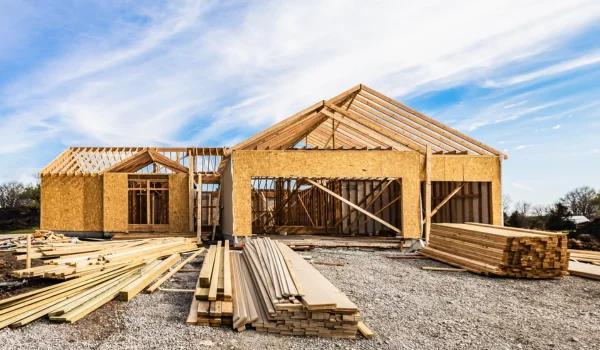
Texas continues to experience strong population growth, business expansion, and residential development. Builders are creating new communities throughout major metropolitan areas and surrounding suburbs to meet housing demand.
Benefits of buying a newly built home include:
- Modern floor plans
- Energy-efficient construction
- New appliances and building systems
- Lower maintenance during the early years
- Builder warranties
- Smart home technology
- Customization opportunities (depending on construction stage)
- Access to community amenities
- Compliance with current building codes
For many buyers, these features make new construction an attractive alternative to purchasing an older home.
Types of New Construction Homes
Not all new homes are the same. Buyers can choose from several types of newly built properties.
Move-In Ready Homes
These homes are already completed and available for immediate purchase.
Advantages include:
- Faster closing
- Ability to inspect the finished home
- No construction delays
- Immediate occupancy
Homes Under Construction
Some buyers purchase homes while construction is in progress.
Potential advantages include:
- Limited customization options
- Ability to select certain finishes
- Flexible closing timeline
Construction schedules may change because of weather, labor availability, or material supply.
Build-to-Order Homes
With this option, buyers select a floor plan and customize features before construction begins.
Common customization options include:
- Flooring
- Cabinets
- Countertops
- Paint colors
- Appliances
- Fixtures
- Exterior finishes
Build-to-order homes typically require a longer waiting period before completion.
Best Areas for New Construction Homes in Texas
New residential developments continue to expand throughout the state.
Dallas–Fort Worth Metroplex
One of the nation’s fastest-growing housing markets.
Popular communities include:
- Frisco
- Prosper
- Celina
- McKinney
- Melissa
- Little Elm
- Forney
Many developments feature parks, schools, trails, and community amenities.
Austin Area
Rapid population growth continues to drive new home construction.
Popular locations include:
- Georgetown
- Leander
- Liberty Hill
- Manor
- Hutto
- Pflugerville
- Buda
These communities attract professionals, families, and retirees.
Houston Area
Greater Houston offers a wide selection of new homes.
Growing communities include:
- Katy
- Cypress
- Fulshear
- Conroe
- Montgomery
- Richmond
- Rosenberg
Housing options range from affordable starter homes to luxury properties.
San Antonio Region
New developments continue to expand throughout the metropolitan area.
Popular locations include:
- Alamo Ranch
- Cibolo
- Schertz
- Boerne
- New Braunfels
- Seguin
Many neighborhoods offer convenient access to major employers and highways.
Central Texas
Communities such as Temple, Belton, Killeen, and Waco continue to experience residential growth because of affordability and expanding employment opportunities.
Current Texas Housing Market Trends (2026)
Several trends continue to influence new home construction across Texas:
- Continued population growth
- Expansion of suburban communities
- Increased demand for energy-efficient homes
- Larger master-planned developments
- Growing interest in smart home technology
- Ongoing infrastructure improvements
- Changing mortgage interest rates
- Builder incentives in some markets
Housing conditions vary by region, making local market research essential before purchasing.
Advantages of Buying New Construction
Many buyers choose newly built homes because they offer:
Modern Design
New homes typically include open layouts, larger kitchens, flexible living spaces, and updated finishes.
Energy Efficiency
Many newly constructed homes feature:
- Improved insulation
- High-efficiency HVAC systems
- Energy-efficient windows
- LED lighting
- Water-saving fixtures
- Energy-efficient appliances
These features may help reduce monthly utility costs.
Lower Maintenance
Because everything is new, homeowners may face fewer repair expenses during the early years of ownership.
Builder Warranty
Many builders provide warranties covering certain aspects of the home for specified periods.
Review warranty documents carefully to understand coverage, limitations, and claim procedures.
Community Amenities
Many new neighborhoods include:
- Swimming pools
- Walking trails
- Parks
- Fitness centers
- Clubhouses
- Playgrounds
- Sports courts
Amenities vary by development and may be supported through HOA fees.
Potential Disadvantages
New construction also has potential drawbacks.
These may include:
- Higher purchase prices in some markets
- HOA fees
- Construction delays
- Limited mature landscaping
- Ongoing nearby construction
- Additional costs for upgrades
- Property tax changes after reassessment
Understanding these factors helps buyers make informed decisions.
Financing a New Construction Home
Most buyers finance new homes using traditional mortgage programs.
Common loan options include:
- Conventional loans
- FHA loans
- VA loans
- USDA loans (for eligible properties)
- Jumbo loans
Some builders also work with preferred lenders and may offer incentives such as assistance with closing costs or temporary interest rate reductions. Buyers should compare these offers with other lenders to determine which option best meets their financial needs.
Documents Needed
Mortgage lenders commonly request:
- Government-issued identification
- Proof of income
- Recent pay stubs
- Tax returns
- W-2 forms
- Bank statements
- Employment verification
- Credit information
Additional documents may be required depending on the loan program.
Buying Process for New Construction Homes
Step 1: Determine Your Budget
Consider:
- Down payment
- Monthly mortgage payment
- Property taxes
- Insurance
- HOA dues
- Maintenance
- Utility costs
Step 2: Get Mortgage Pre-Approval
Pre-approval helps establish your purchasing budget and strengthens your position when working with builders.
Step 3: Research Builders and Communities
Compare:
- Reputation
- Floor plans
- Warranty coverage
- Community amenities
- School districts
- Future development plans
Step 4: Visit Model Homes
Tour model homes to evaluate:
- Construction quality
- Layout
- Available upgrades
- Neighborhood features
Remember that model homes often include optional upgrades that increase the purchase price.
Step 5: Review the Builder Contract
Builder purchase agreements may differ from standard resale contracts.
Read all documents carefully and seek professional advice if needed.
Step 6: Monitor Construction
If purchasing during construction:
- Attend scheduled walkthroughs.
- Document concerns.
- Confirm upgrade selections.
- Monitor completion milestones.
Step 7: Final Inspection
Before closing:
- Complete a final walkthrough.
- Test appliances and systems.
- Identify unfinished items.
- Confirm agreed-upon repairs or corrections.
Some buyers also choose to hire an independent home inspector for a newly built property.
Step 8: Closing
After signing the required documents and funding the transaction, ownership transfers to the buyer.
Selling a New Construction Home
Owners planning to sell should consider:
- Local market conditions
- Builder competition
- Home upgrades
- Warranty transferability
- Landscaping improvements
- Professional photography
- Competitive pricing
Homes with desirable upgrades and established landscaping may appeal to future buyers.
Renting a New Construction Home
Some owners purchase newly built homes as rental properties.
Potential advantages include:
- Lower maintenance expenses initially
- Attractive amenities
- Modern layouts
- Strong tenant demand in growing communities
Landlords should also evaluate HOA rules, operating costs, insurance, and local rental demand before purchasing.
Property Taxes
Texas does not have a state income tax, but homeowners are responsible for local property taxes.
Property tax obligations depend on:
- County
- City
- School district
- Special taxing districts
- Appraised value
New construction homes may receive updated appraisals after completion, so future property tax bills can differ from initial estimates. Buyers should request estimated taxes from their lender, builder, or local appraisal district when preparing their budget.
Homeowners Associations (HOAs)
Many new communities are governed by homeowners associations.
HOAs may:
- Maintain common areas
- Enforce community standards
- Collect regular assessments
- Manage neighborhood amenities
Review HOA rules, restrictions, and fees before purchasing.
Legal Considerations
Before closing on a newly built home:
- Review all builder contracts.
- Understand warranty coverage.
- Verify title information.
- Obtain homeowners insurance.
- Review HOA documents.
- Complete the final walkthrough.
- Confirm completion of agreed-upon items.
If you have legal questions, consult a qualified Texas real estate attorney.
Neighborhood Factors to Consider
Evaluate:
- School quality
- Commute times
- Nearby employment centers
- Shopping
- Healthcare
- Parks
- Future commercial development
- Planned road improvements
Neighborhood growth often influences long-term property values.
Practical Tips for Homebuyers
- Compare multiple builders.
- Visit completed communities.
- Read builder reviews.
- Don’t rely solely on model homes.
- Budget for upgrades.
- Hire an independent inspector if desired.
- Understand warranty coverage.
- Review HOA rules carefully.
- Estimate future property taxes accurately.
Practical Tips for Investors
Investors should evaluate:
- Rental demand
- Population growth
- Local employment
- School districts
- Future appreciation
- HOA fees
- Property taxes
- Insurance costs
Choose markets supported by long-term economic and population growth rather than short-term trends alone.
Common Mistakes to Avoid
Many buyers make avoidable mistakes, including:
- Focusing only on the base price.
- Overlooking upgrade costs.
- Ignoring HOA fees.
- Assuming all warranties cover every issue.
- Skipping the final walkthrough.
- Not budgeting for property tax changes.
- Failing to compare mortgage offers.
Careful planning can help prevent unexpected expenses after closing.
Frequently Asked Questions
Are new construction homes a good investment in Texas?
They can be, particularly in areas experiencing population growth, job expansion, and infrastructure improvements. As with any real estate purchase, investment performance depends on location, market conditions, and the property’s overall value.
Can I negotiate the price of a new construction home?
Builders may be less likely to reduce the base price but could offer incentives such as upgrades, closing cost assistance, or financing promotions. Available incentives vary by builder and market conditions.
Do new homes come with warranties?
Many builders provide warranties covering certain structural components, systems, and workmanship for specified periods. Always review the warranty terms before purchasing.
Should I hire a home inspector for a new home?
Many buyers choose to hire an independent inspector even for new construction to identify potential issues before closing.
Are property taxes lower on new construction?
Not necessarily. Newly completed homes are often reassessed after construction, and future tax bills may be higher than preliminary estimates based on vacant land or partial construction values.
Are HOA fees required?
Many new developments have homeowners associations with mandatory dues. Review the HOA’s governing documents to understand the fees, services, and restrictions before buying.
Final Thoughts
New construction homes in Texas offer buyers the opportunity to enjoy modern designs, energy-efficient features, updated building standards, and growing master-planned communities. Whether you’re purchasing your first home, relocating, downsizing, or investing in rental property, a newly built home can provide long-term value when chosen carefully.
Before signing a builder contract, compare communities, review financing options, estimate property taxes and HOA costs, understand warranty coverage, and research future neighborhood development. By working with experienced real estate professionals, asking the right questions, and planning for all ownership expenses—not just the purchase price—you’ll be better prepared to make a confident investment in Texas’s dynamic and expanding housing market.