Best Crypto Wallets for Beginners (2026): A Complete Guide to Choosing Your First Cryptocurrency Wallet

If you’re new to cryptocurrency, one of the first decisions you’ll need to make is choosing a crypto wallet. A crypto wallet helps you store, send, receive, and manage digital assets like Bitcoin (BTC), Ethereum (ETH), Solana (SOL), and thousands of other cryptocurrencies. While many beginners focus on buying crypto, protecting those assets is just as important.
Choosing the right wallet depends on your experience level, security needs, and how you plan to use your cryptocurrency. Some wallets are designed for everyday transactions, while others prioritize long-term security.
This beginner-friendly guide explains the best crypto wallets for beginners, including wallet types, costs, security features, maintenance tips, pros and cons, and practical advice for protecting your digital assets.
What Is a Crypto Wallet?
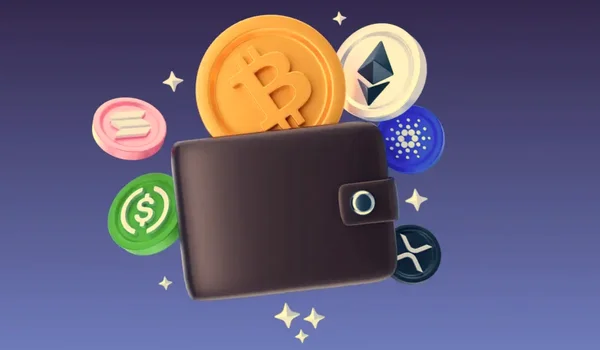
A crypto wallet is software or hardware that allows you to interact with blockchain networks and manage your cryptocurrency. Rather than storing coins directly, a wallet securely manages the cryptographic keys that give you access to your digital assets on the blockchain.
With a crypto wallet, you can:
- Receive cryptocurrency
- Send cryptocurrency
- Store multiple digital assets
- View account balances
- Connect to blockchain applications (depending on the wallet)
- Manage private keys or recovery phrases
Types of Crypto Wallets
Understanding the different wallet types is the first step toward choosing the right one.
Hardware Wallets
Hardware wallets are physical devices that store your private keys offline.
Best For
- Long-term investors
- Large cryptocurrency holdings
- Users prioritizing security
Advantages
- Strong protection against online attacks
- Offline storage
- Portable
- Supports multiple cryptocurrencies (depending on the model)
Disadvantages
- Upfront purchase cost
- Must be kept in a safe place
- Can be inconvenient for frequent transactions
Software Wallets
Software wallets are applications installed on computers or smartphones.
Best For
- Beginners
- Everyday transactions
- Regular trading
Advantages
- Easy to use
- Often free to download
- Quick access
- Convenient for daily use
Disadvantages
- Internet-connected devices may face cybersecurity risks
- Security depends on the device and user practices
Mobile Wallets
Mobile wallets run on smartphones and tablets.
Ideal for:
- Paying with cryptocurrency
- Sending funds quickly
- Checking balances on the go
Desktop Wallets
Desktop wallets are installed on personal computers.
Advantages include:
- Larger screen
- More advanced features
- Convenient portfolio management
Security depends on keeping your computer protected and updated.
Web Wallets
Web wallets operate through an internet browser.
Advantages:
- Accessible from multiple devices
- Convenient for beginners
- No software installation in some cases
Disadvantages:
- Security depends on the provider and your account protection measures
Features Beginners Should Look For
When comparing wallets, consider:
- Easy-to-use interface
- Strong security features
- Multi-factor authentication support
- Backup and recovery options
- Multi-cryptocurrency support
- Regular software updates
- Good customer support
- Transparent development history
Choosing a wallet with a simple interface can make learning cryptocurrency less intimidating.
Popular Wallet Categories for Beginners
While many reputable wallets are available, beginners often choose wallets that offer:
- Simple setup
- Support for popular cryptocurrencies
- Mobile and desktop compatibility
- Clear backup instructions
- Strong community support
Rather than selecting a wallet based solely on popularity, compare security, usability, and the cryptocurrencies you plan to hold.
Costs of Using a Crypto Wallet
Wallet expenses vary depending on the type of wallet you choose.
Common costs include:
- Hardware wallet purchase (if applicable)
- Network transaction (blockchain) fees
- Optional premium features
- Backup accessories
- Security devices
Many software wallets are free to download, but sending cryptocurrency usually requires paying blockchain network fees.
Materials and Accessories
If you choose a hardware wallet, useful accessories may include:
- Protective carrying case
- Fire-resistant document storage
- Metal backup plates for recovery phrases
- Surge protector for computer equipment
- USB cable (if required)
The most important “material” is a secure backup of your recovery phrase.
How to Set Up Your First Wallet
Most wallets follow a similar setup process.
Step 1
Download or purchase the wallet from the official source.
Step 2
Create a new wallet.
Step 3
Write down the recovery phrase exactly as provided.
Step 4
Store the recovery phrase securely offline.
Step 5
Create a strong password or PIN if supported.
Step 6
Enable multi-factor authentication where available.
Step 7
Receive cryptocurrency using your wallet address.
Never share your private keys or recovery phrase with anyone.
Security Best Practices
Protecting your wallet is one of the most important responsibilities as a crypto owner.
Recommended practices include:
- Use strong, unique passwords.
- Enable multi-factor authentication.
- Store recovery phrases offline.
- Verify wallet addresses before sending funds.
- Keep software updated.
- Avoid suspicious links and downloads.
- Use reputable wallet providers.
- Lock your devices when not in use.
Good security habits can help prevent theft and unauthorized access.
Maintenance Tips
Crypto wallets require ongoing attention.
Regular maintenance includes:
- Installing software updates.
- Checking backup copies.
- Testing recovery procedures (without exposing your recovery phrase).
- Reviewing security settings.
- Monitoring wallet activity.
- Updating antivirus software on connected devices.
- Replacing aging hardware wallets if recommended by the manufacturer.
Routine maintenance helps keep your wallet secure and functional.
Climate Considerations (for Hardware Wallet Storage)
Although digital assets exist on the blockchain, hardware wallets are physical devices that should be stored carefully.
If you live in Texas or another region with extreme weather:
Heat
Avoid storing hardware wallets in:
- Hot vehicles
- Attics
- Garages without climate control
- Direct sunlight
Excessive heat can damage electronic devices over time.
Humidity
Store wallets in a cool, dry location to reduce the risk of moisture damage.
Flood Risk
Keep backup recovery phrases in waterproof and secure storage, especially in areas prone to flooding.
Storm Preparedness
Maintain multiple secure backups of your recovery phrase in separate locations to protect against fire, storms, or other disasters.
Advantages of Using a Crypto Wallet
Benefits include:
- Direct control over your digital assets (for self-custody wallets)
- Improved security compared to leaving assets on some platforms
- Ability to send and receive cryptocurrency
- Portfolio management
- Access to blockchain applications (depending on the wallet)
- Greater privacy in many cases
Potential Disadvantages
Crypto wallets also have challenges.
These include:
- Responsibility for safeguarding recovery phrases
- Risk of permanent asset loss if recovery information is lost
- Learning curve for beginners
- Network transaction fees
- Cybersecurity risks for internet-connected wallets
Understanding these responsibilities is essential before managing your own crypto.
Practical Tips for Beginners
- Start with a small amount of cryptocurrency while learning.
- Read the wallet’s official documentation before using it.
- Never share your recovery phrase.
- Double-check wallet addresses before sending funds.
- Keep backups in secure offline locations.
- Update wallet software regularly.
- Learn about blockchain transaction fees.
- Be cautious of scams and phishing attempts.
Common Mistakes to Avoid
Many beginners make avoidable mistakes, including:
- Saving recovery phrases in unsecured digital files.
- Sharing private keys.
- Downloading fake wallet apps.
- Ignoring software updates.
- Sending cryptocurrency to the wrong address.
- Failing to verify website authenticity.
Taking your time and following security best practices can help protect your investments.
Frequently Asked Questions
What is the safest crypto wallet for beginners?
Hardware wallets generally offer strong security for long-term storage because they keep private keys offline. However, reputable software wallets can also be appropriate for beginners who prioritize convenience and follow good security practices.
Are crypto wallets free?
Many software wallets are free to download and use. Hardware wallets typically require an upfront purchase. Regardless of the wallet type, blockchain network fees usually apply when sending cryptocurrency.
Can I store multiple cryptocurrencies in one wallet?
Many wallets support multiple cryptocurrencies, but compatibility varies. Always verify that a wallet supports the specific digital assets you intend to hold.
What happens if I lose my wallet?
If you have securely backed up your recovery phrase, you can generally restore access using a compatible wallet. If both the wallet and recovery phrase are lost, access to your cryptocurrency may be permanently unavailable.
Do I need internet access?
Software and web wallets typically require internet access for transactions. Hardware wallets store keys offline but usually connect to a computer or mobile device when you need to authorize transactions.
Is it better to keep crypto on an exchange or in a wallet?
Many experienced users prefer self-custody wallets for long-term holdings because they control their own private keys. However, self-custody also means you are responsible for protecting your recovery phrase and following proper security practices.
Final Thoughts
Choosing one of the best crypto wallets for beginners is an important first step toward safely managing digital assets. Whether you select a software wallet for convenience or a hardware wallet for enhanced security, the right choice depends on your experience level, the amount of cryptocurrency you plan to hold, and how frequently you expect to make transactions.
Remember that owning a crypto wallet comes with responsibility. Protect your recovery phrase, keep your wallet software up to date, use strong security measures such as multi-factor authentication, and verify every transaction before sending funds. By developing good security habits from the beginning, you’ll be better prepared to protect your cryptocurrency and confidently participate in the growing world of digital assets.