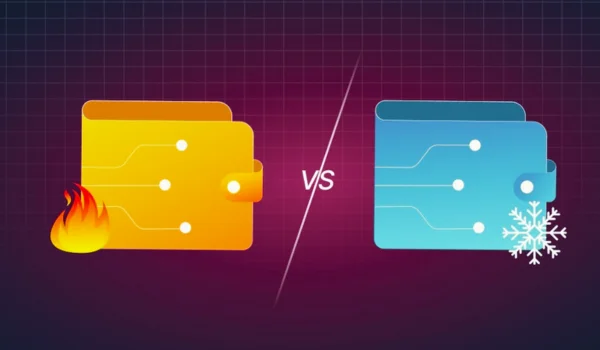
If you’re investing in Bitcoin, Ethereum, or other cryptocurrencies, one of the first decisions you’ll make is choosing between a cold wallet and a hot wallet. While both are designed to store and manage your digital assets, they differ significantly in terms of security, convenience, internet connectivity, and everyday use.
For beginners, understanding the differences is essential. A hot wallet offers quick access for frequent transactions, while a cold wallet provides stronger protection for long-term holdings by keeping private keys offline.
This comprehensive guide compares cold wallets vs. hot wallets, including features, costs, security, maintenance, climate considerations, advantages, disadvantages, and tips to help you choose the best option for your cryptocurrency needs.
What Is a Crypto Wallet?
A crypto wallet is a tool that stores the private keys needed to access and manage your cryptocurrency on the blockchain. Instead of holding coins directly, it securely manages the credentials that allow you to send, receive, and monitor digital assets.
Most crypto wallets let you:
- Store cryptocurrency
- Send and receive digital assets
- View balances
- Manage multiple cryptocurrencies (depending on the wallet)
- Connect to blockchain applications (supported wallets)
What Is a Hot Wallet?
A hot wallet is a cryptocurrency wallet that remains connected to the internet.
Examples include:
- Mobile wallets
- Desktop wallets
- Browser extension wallets
- Web-based wallets
Because they’re online, hot wallets are ideal for users who frequently buy, sell, or transfer cryptocurrency.
What Is a Cold Wallet?
A cold wallet stores your private keys offline.
Common examples include:
- Hardware wallets
- Air-gapped devices
- Paper wallets (less common today)
Since they remain offline most of the time, cold wallets provide stronger protection against many online threats.
Cold Wallet vs Hot Wallet: Key Differences
| Feature | Cold Wallet | Hot Wallet |
| Internet Connection | Offline | Online |
| Security | Very High | Good, but depends on device security |
| Convenience | Lower | Very High |
| Best For | Long-term storage | Daily transactions |
| Initial Cost | Usually requires purchasing a device | Many are free to use |
| Speed | Slightly slower | Faster |
| Risk of Online Hacking | Much lower | Higher due to internet connectivity |
Which Wallet Is Better for Beginners?
The answer depends on how you plan to use cryptocurrency.
A Hot Wallet May Be Better If You:
- Trade regularly
- Buy crypto frequently
- Make everyday crypto payments
- Want easy access
- Are learning how crypto works
A Cold Wallet May Be Better If You:
- Plan to hold crypto for years
- Own a larger portfolio
- Prioritize security
- Trade infrequently
- Want offline storage
Many experienced investors use both wallet types: a hot wallet for daily use and a cold wallet for long-term storage.
Costs
The cost of owning a crypto wallet depends on the type you choose.
Hot Wallet Costs
Usually include:
- Free wallet download
- Blockchain transaction fees
- Optional premium services
Most hot wallets do not charge a setup fee.
Cold Wallet Costs
Possible expenses include:
- Hardware wallet purchase
- Backup accessories
- Protective storage
- Blockchain transaction fees
Although hardware wallets require an upfront investment, many users consider the added security worthwhile for long-term holdings.
Materials and Accessories
If you use a cold wallet, helpful accessories may include:
- Protective storage case
- Fire-resistant document safe
- Waterproof storage container
- Metal recovery phrase backup
- USB cable (if required)
For hot wallets, the most important “materials” are secure devices such as an updated smartphone or computer and reliable internet access.
Security Comparison
Hot Wallet Security
Hot wallets rely on:
- Strong passwords
- Multi-factor authentication
- Device security
- Software updates
- Safe browsing habits
Because they are connected to the internet, users should be especially vigilant against phishing attacks and malware.
Cold Wallet Security
Cold wallets reduce exposure to online threats by keeping private keys offline.
To maximize security:
- Store the device securely.
- Never share your recovery phrase.
- Purchase hardware wallets only from trusted sources.
- Verify firmware updates before installing.
Even with a cold wallet, safeguarding your recovery phrase is critical.
Maintenance Tips
Both wallet types require ongoing care.
Hot Wallet Maintenance
- Install software updates promptly.
- Keep your device’s operating system current.
- Use antivirus software where appropriate.
- Enable multi-factor authentication.
- Monitor account activity.
Cold Wallet Maintenance
- Check the physical condition of the device.
- Keep firmware up to date.
- Test backups periodically.
- Store recovery phrases securely.
- Replace damaged or aging hardware if recommended by the manufacturer.
Routine maintenance helps ensure long-term reliability.
Climate Considerations
Although cryptocurrency itself is digital, hardware wallets and backup materials are physical items that can be affected by environmental conditions.
High Heat
In hot climates such as Texas:
- Avoid leaving hardware wallets in parked vehicles.
- Do not expose devices to direct sunlight for extended periods.
- Store electronics in a cool, dry place.
Humidity
High humidity can affect electronic devices over time.
Store hardware wallets in a dry environment to reduce the risk of moisture damage.
Flood Risk
If you live in a flood-prone area:
- Store recovery phrases in waterproof containers.
- Keep backups in separate secure locations.
- Consider fire- and water-resistant storage for important records.
Storm Preparedness
Power outages and severe weather are a good reminder to maintain secure offline backups of your recovery phrase. This helps ensure you can restore access to your cryptocurrency even if one location is damaged.
Advantages of a Hot Wallet
Benefits include:
- Easy to use
- Fast transactions
- Convenient for trading
- Suitable for beginners
- Free or low-cost options
- Quick access from mobile devices
Disadvantages of a Hot Wallet
Potential drawbacks include:
- Greater exposure to online attacks
- Device security is critical
- Risk from phishing and malware
- Internet connection usually required
Advantages of a Cold Wallet
Many investors choose cold wallets because they offer:
- Offline storage
- Strong protection against many online threats
- Ideal for long-term investors
- Better suited for storing larger balances
- Greater control over private keys
Disadvantages of a Cold Wallet
Potential limitations include:
- Upfront purchase cost
- Less convenient for frequent transactions
- Physical device can be lost or damaged
- Recovery phrase must be protected carefully
Best Practices
Regardless of wallet type:
- Never share your recovery phrase.
- Use strong, unique passwords.
- Enable multi-factor authentication whenever available.
- Keep wallet software updated.
- Verify wallet addresses before sending funds.
- Back up your recovery phrase securely.
- Be cautious of phishing emails and fake wallet apps.
These practices can significantly improve the safety of your cryptocurrency.
Common Mistakes to Avoid
Beginners often make avoidable errors such as:
- Storing recovery phrases in unsecured digital files.
- Ignoring software updates.
- Downloading wallets from unofficial sources.
- Sending cryptocurrency without verifying the destination address.
- Keeping all holdings in one location without considering security needs.
Which Wallet Should You Choose?
Choose a hot wallet if you:
- Frequently trade cryptocurrency
- Need quick access
- Are learning about crypto
- Hold relatively small amounts for everyday use
Choose a cold wallet if you:
- Invest for the long term
- Own significant crypto holdings
- Prioritize maximum security
- Rarely move your assets
For many users, combining both types offers a practical balance between convenience and security.
Frequently Asked Questions
Is a cold wallet safer than a hot wallet?
Generally, yes. Cold wallets keep private keys offline, which reduces exposure to many online threats. However, they still require careful handling and secure storage of the recovery phrase.
Are hot wallets free?
Many hot wallets are free to download and use. However, blockchain network fees typically apply when sending cryptocurrency.
Do I need both a cold and a hot wallet?
Not necessarily, but many experienced users keep a small amount of cryptocurrency in a hot wallet for everyday transactions while storing long-term holdings in a cold wallet.
Can a cold wallet be hacked?
Because cold wallets are offline, they are less exposed to online attacks. However, they can still be compromised through poor security practices, such as exposing the recovery phrase or using tampered hardware.
What happens if I lose my hardware wallet?
If you have securely backed up your recovery phrase, you can usually restore access to your cryptocurrency using a compatible wallet. Without the recovery phrase, you may permanently lose access to your assets.
Which wallet is best for beginners?
A hot wallet is often the easiest starting point due to its convenience and user-friendly interface. As your holdings grow, you may decide to add a cold wallet for enhanced long-term security.
Final Thoughts
Choosing between a cold wallet and a hot wallet depends on your investment goals, security preferences, and how often you plan to use your cryptocurrency. Hot wallets provide fast and convenient access for everyday transactions, while cold wallets offer stronger protection by keeping private keys offline.
Many experienced crypto users find that using both types of wallets provides the best balance: a hot wallet for regular spending or trading, and a cold wallet for long-term storage of larger holdings. Whatever option you choose, protecting your recovery phrase, keeping software updated, and following strong security practices are essential steps toward safeguarding your digital assets.