Texas Bitcoin ATMs Guide (2026): How Bitcoin ATMs Work, Fees, Locations, Limits & Safety Tips

Bitcoin has become increasingly accessible in Texas, and one of the easiest ways for beginners to buy or, in some cases, sell cryptocurrency is through a Bitcoin ATM. These machines are located in convenience stores, shopping centers, gas stations, malls, and other public places across the state, making it possible to complete cryptocurrency transactions without using a traditional online exchange.
Texas is considered one of the most cryptocurrency-friendly states in the U.S., and its growing network of Bitcoin ATMs reflects the increasing adoption of digital assets by individuals and businesses.
This beginner-friendly guide explains Texas Bitcoin ATMs, including how they work, fees, transaction limits, security, legal considerations, advantages, disadvantages, and practical tips for first-time users.
What Is a Bitcoin ATM?
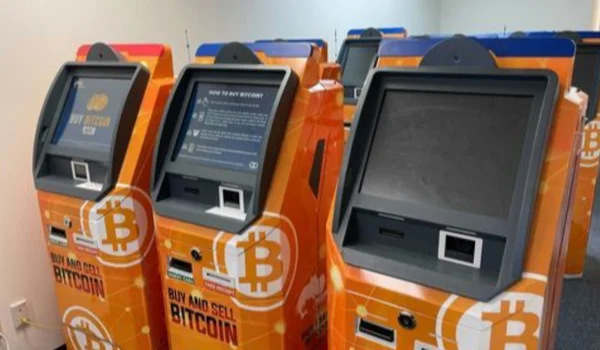
A Bitcoin ATM (also called a BTM) is a self-service kiosk that allows users to purchase cryptocurrency using cash or, depending on the machine, a debit card. Some machines also allow users to sell cryptocurrency in exchange for cash, though features vary by operator.
Unlike traditional bank ATMs, Bitcoin ATMs connect users to cryptocurrency networks rather than bank accounts.
Most Bitcoin ATMs support Bitcoin (BTC), while some also support cryptocurrencies such as:
- Ethereum (ETH)
- Litecoin (LTC)
- Bitcoin Cash (BCH)
- USDT and other supported digital assets (depending on the operator)
Available cryptocurrencies vary by machine.
Are Bitcoin ATMs Legal in Texas?
Yes.
Bitcoin ATMs are generally legal in Texas, provided they operate in compliance with applicable federal and state laws.
Operators may be subject to requirements involving:
- Anti-money laundering (AML) compliance
- Identity verification (Know Your Customer or KYC)
- Recordkeeping
- Consumer protection regulations
Users are also responsible for complying with any applicable tax reporting requirements related to their cryptocurrency transactions.
How Does a Bitcoin ATM Work?
Although the exact process varies by machine, a typical purchase includes these steps:
- Select the cryptocurrency you want to buy.
- Enter the amount you wish to purchase.
- Provide your cryptocurrency wallet address by scanning a QR code.
- Complete any required identity verification.
- Insert cash or use an accepted payment method.
- Confirm the transaction.
- Wait for the cryptocurrency to be sent to your wallet.
Some transactions are completed quickly, while blockchain confirmation times may vary depending on network conditions.
What You Need Before Using a Bitcoin ATM
Before visiting a Bitcoin ATM, you should have:
- A cryptocurrency wallet
- Government-issued photo identification (if required)
- Cash or another accepted payment method
- A mobile phone (for verification if needed)
- Your wallet’s QR code
Having your wallet set up in advance can make the transaction smoother.
Costs of Using a Bitcoin ATM
Bitcoin ATMs typically involve fees that can vary by operator and transaction type.
Common costs may include:
- Transaction fees
- Exchange rate spreads
- Blockchain network fees
- Withdrawal fees (where applicable)
Because fees differ between operators, it’s a good idea to review the total cost displayed on the machine before confirming your transaction.
Transaction Limits
Bitcoin ATM operators may set minimum and maximum transaction limits.
Limits can depend on factors such as:
- Identity verification level
- Local regulations
- Machine operator policies
- Payment method
Some transactions may require additional verification for larger amounts.
Finding a Bitcoin ATM in Texas
Bitcoin ATMs are commonly found in:
- Convenience stores
- Grocery stores
- Shopping centers
- Gas stations
- Malls
- Retail locations
Before traveling to a machine, verify that it is operational and supports the cryptocurrency you intend to buy or sell.
Choosing the Right Crypto Wallet
Before using a Bitcoin ATM, you’ll need a wallet to receive your cryptocurrency.
Wallet options include:
Hardware Wallets
Ideal for long-term storage and enhanced security.
Mobile Wallets
Convenient for everyday transactions and easy QR code scanning.
Desktop Wallets
Suitable for managing crypto from a personal computer.
Web Wallets
Accessible through a web browser, depending on the provider.
Choose a wallet that supports the cryptocurrency you plan to purchase.
Security Tips
Security should always be a priority when using Bitcoin ATMs.
Recommended practices include:
- Use only reputable Bitcoin ATM operators.
- Double-check your wallet address before confirming.
- Never share your private keys or recovery phrase.
- Keep your wallet software updated.
- Avoid using public Wi-Fi during sensitive transactions.
- Count your cash before beginning the transaction.
- Save your transaction receipt until the transfer is complete.
Good security habits can help reduce the risk of fraud or transaction errors.
Maintenance Tips for Crypto Wallets
Although Bitcoin ATMs themselves are maintained by their operators, users should maintain their own wallets by:
- Installing software updates.
- Backing up recovery phrases securely.
- Reviewing wallet activity regularly.
- Using strong passwords.
- Enabling multi-factor authentication where available.
Proper wallet maintenance helps keep your cryptocurrency secure.
Climate Considerations (Protecting Wallet Devices in Texas)
While cryptocurrency exists digitally, many users access their funds through smartphones or hardware wallets. Texas weather can affect these physical devices.
Heat
Avoid leaving:
- Hardware wallets
- Smartphones
- USB backup devices
inside vehicles or in direct sunlight for extended periods, as excessive heat can damage electronics.
Humidity
Store hardware wallets and backup devices in a cool, dry location to reduce the risk of moisture-related damage.
Storm Preparedness
In areas prone to hurricanes, floods, or severe storms, keep recovery phrases and backup devices in waterproof and secure storage.
Maintaining multiple secure backups can help protect access to your digital assets.
Taxes and Recordkeeping
Texas does not impose a state individual income tax.
However, cryptocurrency transactions completed through a Bitcoin ATM may have federal tax implications, depending on the type of transaction.
It’s recommended that users:
- Keep transaction receipts.
- Record purchase dates.
- Save wallet transaction details.
- Track transaction fees.
- Maintain records for future tax reporting.
If your cryptocurrency activity is extensive, consult a qualified tax professional.
Advantages of Using Bitcoin ATMs
Many users appreciate Bitcoin ATMs because they offer:
- Convenient access to cryptocurrency
- Physical locations throughout Texas
- Cash purchasing options
- User-friendly interfaces
- Quick transaction initiation
- Suitable option for beginners
These features make Bitcoin ATMs an accessible entry point into cryptocurrency for many new users.
Potential Disadvantages
Bitcoin ATMs also have some drawbacks.
These include:
- Higher fees than some online exchanges
- Transaction limits
- Identity verification requirements
- Limited cryptocurrency selection
- Machine availability depending on location
- Possible waiting time for blockchain confirmations
Understanding these limitations can help you decide whether a Bitcoin ATM is the right option for your needs.
Practical Tips for First-Time Users
- Set up your crypto wallet before visiting the ATM.
- Bring valid identification if required.
- Compare fees when possible.
- Start with a small transaction while learning.
- Carefully verify your wallet address.
- Save your receipt until the transaction is confirmed.
- Avoid rushing the process.
- Learn about blockchain confirmation times before making your first purchase.
Frequently Asked Questions
Are Bitcoin ATMs legal in Texas?
Yes. Bitcoin ATMs are generally legal in Texas and are operated in accordance with applicable federal and state regulations.
Can I buy Bitcoin with cash?
Yes. Many Bitcoin ATMs allow users to purchase Bitcoin using cash. Accepted payment methods vary by operator.
Do I need a crypto wallet?
Yes. In most cases, you’ll need a compatible cryptocurrency wallet to receive the Bitcoin or other digital assets you purchase.
Are Bitcoin ATM fees expensive?
Fees vary by operator and transaction. Bitcoin ATMs often charge higher fees than some online exchanges, so it’s important to review the total cost before confirming your transaction.
Is identification required?
Many Bitcoin ATM operators require identity verification for some or all transactions, particularly as transaction amounts increase. Requirements vary by operator and applicable regulations.
Is using a Bitcoin ATM safe?
Using a reputable Bitcoin ATM can be a convenient way to purchase cryptocurrency. To improve safety, verify your wallet address, protect your recovery phrase, and use machines operated by established providers.
Final Thoughts
Bitcoin ATMs have made cryptocurrency more accessible for Texas residents by providing a convenient way to buy—and in some cases sell—digital assets through physical kiosks. Whether you’re purchasing Bitcoin for the first time or adding to an existing portfolio, understanding how these machines work, what fees to expect, and how to protect your wallet can help you use them more confidently.
Before completing any transaction, compare costs, verify the wallet address carefully, and keep detailed records for your own financial tracking and potential tax reporting. By combining good security practices with informed decision-making, you can safely use Bitcoin ATMs as part of your broader cryptocurrency journey in Texas.