Best Grass Types for Texas Lawns: A Complete Guide for Choosing, Planting, and Maintaining the Right Grass

Creating a healthy lawn in Texas can be challenging because of the state’s extreme weather conditions. Hot summers, drought periods, heavy rainfall, clay soil, and regional climate differences make choosing the right grass type extremely important.
The best grass types for Texas lawns are those that can tolerate heat, recover from stress, require reasonable maintenance, and match your local soil and sunlight conditions.
Whether you live in North Texas, Central Texas, Gulf Coast areas, or West Texas, selecting the correct turfgrass can help you create a beautiful, durable lawn while reducing water usage and maintenance costs.
This guide explains the best grass varieties for Texas homes, including climate suitability, installation costs, maintenance needs, advantages, disadvantages, and expert lawn care tips.
Understanding Texas Lawn Conditions
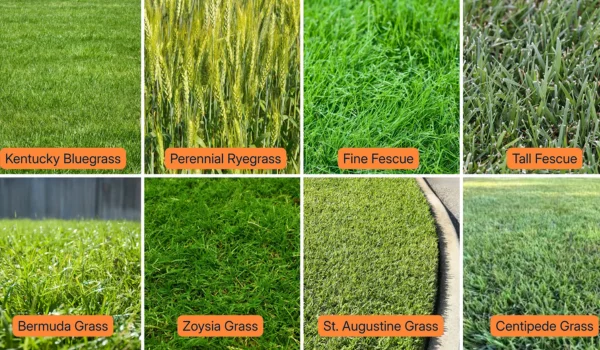
Before selecting grass, homeowners should understand the challenges Texas lawns face.
Common Texas Lawn Challenges
Texas grass must handle:
- Extreme summer heat
- Temperatures above 100°F
- Drought conditions
- Water restrictions
- Heavy storms
- Poor drainage
- Clay soil
- Shade issues
- High foot traffic
The best lawn grass depends on:
- Your location
- Amount of sunlight
- Soil type
- Water availability
- Maintenance preference
- Lawn usage
Texas Climate Zones and Grass Selection
Texas has several climate regions.
North Texas (Dallas–Fort Worth)
Common conditions:
- Hot summers
- Cold winter periods
- Clay soil
- Seasonal temperature changes
Best grasses:
- Bermuda grass
- St. Augustine grass
- Tall fescue (for cooler areas)
Central Texas (Austin, San Antonio)
Common conditions:
- Hot summers
- Drought stress
- Rocky or clay soil
Best grasses:
- Bermuda grass
- Zoysia grass
- St. Augustine grass
Gulf Coast Texas (Houston, Beaumont, Corpus Christi)
Common conditions:
- High humidity
- Heavy rainfall
- Warm winters
Best grasses:
- St. Augustine grass
- Bermuda grass
- Zoysia grass
West Texas
Common conditions:
- Dry climate
- Limited rainfall
- Intense sunlight
Best grasses:
- Bermuda grass
- Buffalo grass
- Zoysia grass
Best Grass Types for Texas Lawns
- Bermuda Grass
Bermuda grass is one of the most popular lawn choices in Texas because it handles heat and drought extremely well.
It is commonly used for:
- Residential lawns
- Sports fields
- Parks
- High-traffic areas
Bermuda Grass Benefits
✔ Excellent heat tolerance
✔ Fast growth and recovery
✔ Handles heavy foot traffic
✔ Good drought resistance
✔ Affordable installation
Bermuda Grass Drawbacks
✘ Requires frequent mowing
✘ Needs full sunlight
✘ Can invade garden beds
✘ Turns brown during winter dormancy
Maintenance Requirements
Bermuda grass needs:
- Regular mowing
- Fertilization
- Full sun
- Proper watering
Mowing height:
Approximately 1–2 inches.
Cost
Sod installation:
Approximately:
$0.50–$2 per square foot
depending on quality and installation.
Best For
- Sunny Texas yards
- Active families
- Sports-style lawns
- St. Augustine Grass
St. Augustine is one of the most popular grasses in Texas, especially in coastal and warmer regions.
It creates a thick, attractive lawn with a soft texture.
St. Augustine Grass Benefits
✔ Excellent heat tolerance
✔ Performs well in coastal areas
✔ Handles moderate shade
✔ Creates a dense lawn
Drawbacks
✘ Requires more water
✘ Less drought tolerant than Bermuda
✘ Can suffer from pests and diseases
✘ Poor performance in heavy traffic areas
Maintenance Requirements
Needs:
- Regular watering
- Fertilizer applications
- Pest monitoring
- Proper mowing
Mowing height:
Approximately 2.5–4 inches.
Cost
Sod installation:
Approximately:
$1–$3 per square foot
Best For
- Houston
- Gulf Coast regions
- Shaded Texas yards
- Zoysia Grass
Zoysia is becoming increasingly popular among Texas homeowners because it balances beauty and durability.
It creates a dense, carpet-like lawn.
Zoysia Grass Benefits
✔ Excellent appearance
✔ Good drought tolerance
✔ Handles heat well
✔ Requires less mowing than Bermuda
✔ Moderate shade tolerance
Drawbacks
✘ More expensive
✘ Slow establishment
✘ Can take longer to recover from damage
Maintenance Requirements
Zoysia needs:
- Moderate watering
- Seasonal fertilization
- Regular mowing
Mowing height:
Approximately 1–2.5 inches.
Cost
Installation:
Approximately:
$1.50–$4 per square foot
Best For
- Homeowners wanting premium lawns
- Areas with mixed sun and shade
- Lower-maintenance landscapes
- Buffalo Grass
Buffalo grass is a native Texas grass that performs well in dry conditions.
It is especially suitable for homeowners looking for water conservation.
Benefits
✔ Very drought tolerant
✔ Low maintenance
✔ Native to Texas climate
✔ Requires less fertilizer
Drawbacks
✘ Less dense appearance
✘ Slow growth
✘ Not ideal for heavy traffic
Cost
Approximately:
$0.50–$2 per square foot
Best For
- Dry regions
- Large properties
- Water-conscious homeowners
- Tall Fescue Grass
Tall fescue is a cool-season grass that works better in some northern Texas areas.
Benefits
✔ Handles partial shade
✔ Stays green during cooler months
✔ Good appearance
Drawbacks
✘ Struggles in extreme heat
✘ Requires more water
✘ May need reseeding
Best For
- Northern Texas
- Shaded lawns
- Cooler microclimates
Grass Type Comparison Table
| Grass Type | Heat Tolerance | Water Needs | Shade Tolerance | Maintenance |
| Bermuda | Excellent | Low-Medium | Poor | Medium-High |
| St. Augustine | Excellent | Medium-High | Good | Medium |
| Zoysia | Excellent | Medium | Moderate | Low-Medium |
| Buffalo | Excellent | Low | Poor | Low |
| Tall Fescue | Fair | High | Good | Medium |
Sod vs Seed: Which Is Better for Texas Lawns?
Sod Installation
Sod provides an instant lawn.
Advantages
✔ Immediate results
✔ Less weed competition
✔ Faster establishment
Disadvantages
✘ Higher cost
✘ Requires proper watering after installation
Grass Seed
Seed is more affordable but takes longer.
Advantages
✔ Lower cost
✔ More variety options
Disadvantages
✘ Slower growth
✘ Requires careful watering
✘ More vulnerable to weeds
Texas Lawn Installation Costs
Costs depend on lawn size, grass type, and preparation needs.
Average estimates:
| Service | Cost |
| Grass seed installation | $0.10–$0.50/sq ft |
| Sod installation | $1–$3/sq ft |
| Soil preparation | $500–$2,000 |
| Sprinkler installation | $2,000–$5,000 |
| Lawn maintenance | $40–$100 per visit |
Texas Lawn Maintenance Guide
A healthy lawn requires proper care throughout the year.
Spring Lawn Care
Tasks include:
- Remove winter debris
- Apply fertilizer
- Check irrigation
- Control weeds
- Aerate compacted soil
Summer Lawn Care
Texas summers are stressful for grass.
Tips:
- Water deeply but less frequently
- Mow at proper height
- Avoid cutting too short
- Apply mulch around plants
- Check for pests
Fall Lawn Care
Prepare your lawn for cooler weather.
Tasks:
- Fertilize appropriately
- Remove leaves
- Repair damaged areas
- Adjust watering schedule
Winter Lawn Care
Many warm-season grasses become dormant.
Recommendations:
- Reduce watering
- Avoid unnecessary fertilizer
- Protect soil from erosion
Watering Tips for Texas Lawns
Water conservation is important in Texas.
Best practices:
- Water early morning
- Avoid midday watering
- Water deeply
- Follow local restrictions
- Repair sprinkler leaks
A healthy lawn usually needs about:
1 inch of water per week, depending on weather conditions.
Common Texas Lawn Problems
Brown Grass
Possible causes:
- Lack of water
- Heat stress
- Dormancy
- Poor soil
Weeds
Prevention:
- Maintain healthy turf
- Use proper mowing height
- Apply seasonal weed control
Lawn Diseases
Common issues:
- Brown patch
- Take-all root rot
- Fungus problems
Proper watering and airflow reduce risks.
Insects
Common Texas lawn pests:
- Chinch bugs
- Grubs
- Armyworms
Regular inspection helps prevent damage.
Expert Tips for Texas Homeowners
- Choose Grass Based on Location
Do not choose grass only because it looks attractive. Consider your climate zone.
- Improve Soil Before Planting
Texas soil may require:
- Compost
- Organic matter
- Soil testing
- Drainage improvement
- Do Not Overwater
Too much water can cause:
- Disease
- Root problems
- Higher bills
- Maintain Proper Mowing Height
Cutting grass too short weakens roots and increases heat stress.
- Consider Native Grass Options
Native grasses often require less water and maintenance.
Pros and Cons of Having a Lawn in Texas
Advantages
✔ Improves curb appeal
✔ Increases property value
✔ Provides outdoor space
✔ Reduces soil erosion
✔ Creates a comfortable environment
Disadvantages
✘ Requires maintenance
✘ Water costs can increase
✘ Heat can damage grass
✘ Requires seasonal care
Frequently Asked Questions
What is the best grass type for Texas heat?
Bermuda grass, Zoysia grass, and St. Augustine grass are among the best choices for Texas heat.
What grass requires the least water in Texas?
Buffalo grass and Bermuda grass generally require less water compared with many other varieties.
What is the best grass for Houston Texas?
St. Augustine grass is a popular choice because it handles humidity, warmth, and partial shade well.
What is the easiest grass to maintain in Texas?
Zoysia and Buffalo grass are considered lower-maintenance options.
Can grass grow in Texas shade?
Yes. St. Augustine and Tall Fescue perform better in shaded areas than Bermuda.
When is the best time to plant grass in Texas?
Spring and early fall are usually the best times because temperatures are favorable for root development.
Final Thoughts
Choosing the best grass types for Texas lawns depends on your location, sunlight, soil conditions, water availability, and maintenance preferences.
Bermuda grass is excellent for sunny, high-traffic yards, St. Augustine is ideal for warmer and coastal areas, Zoysia provides a premium low-maintenance lawn, and Buffalo grass is a smart choice for drought-prone regions.
A beautiful Texas lawn is not created by grass selection alone. Proper soil preparation, efficient watering, seasonal maintenance, and choosing a grass variety suited to your local climate are the keys to long-term success.
With the right approach, Texas homeowners can enjoy a healthy, green, and durable lawn despite the state’s challenging weather conditions.