Texas homeowners face unique landscaping challenges. Extreme summer heat, drought conditions, heavy storms, clay soil, water restrictions, and regional climate differences all affect how landscapes perform throughout the year.
A successful Texas landscaping design should not only look attractive but also survive the state’s demanding weather conditions. The best landscapes combine durable materials, native plants, efficient irrigation, shade solutions, and low-maintenance features.
Whether you live in Dallas, Austin, Houston, San Antonio, or West Texas, the right landscaping approach can improve curb appeal, increase home value, reduce maintenance costs, and create a comfortable outdoor living space.
This guide covers the best Texas landscaping ideas, including materials, plant choices, maintenance requirements, weather considerations, costs, advantages, disadvantages, expert tips, and frequently asked questions.
Understanding Texas Landscaping Challenges
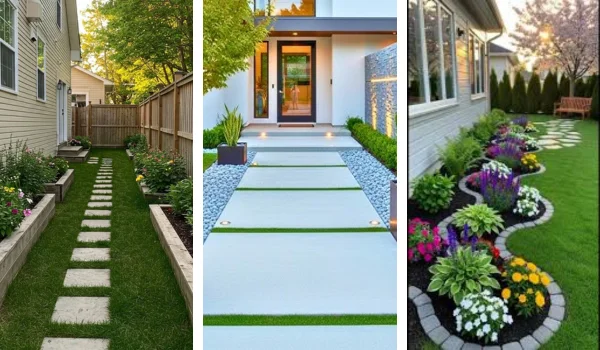
Texas has several climate zones, and each area presents different landscaping needs.
Common Texas Landscaping Challenges
Homeowners often deal with:
- Extreme summer temperatures
- Limited rainfall
- Water restrictions
- Drought stress
- Heavy thunderstorms
- Soil problems
- High evaporation rates
- Pest issues
A landscape designed for another region may fail in Texas because plants and materials may not tolerate local conditions.
Texas Climate Regions and Landscaping Needs
North Texas Landscaping
Areas:
- Dallas
- Fort Worth
- Plano
Weather conditions:
- Hot summers
- Occasional freezes
- Heavy storms
- Clay soil
Best landscaping choices:
- Drought-resistant plants
- Strong shade trees
- Durable hardscaping
- Proper drainage systems
Central Texas Landscaping
Areas:
- Austin
- San Antonio
Common conditions:
- Hot summers
- Rocky soil
- Water restrictions
- Drought periods
Recommended:
- Native plants
- Xeriscaping
- Stone pathways
- Efficient irrigation
Gulf Coast Texas Landscaping
Areas:
- Houston
- Corpus Christi
- Galveston
Challenges:
- High humidity
- Heavy rainfall
- Tropical storms
Recommended:
- Moisture-resistant plants
- Drainage solutions
- Storm-resistant trees
West Texas Landscaping
Conditions:
- Dry climate
- Strong sunlight
- Limited water
Recommended:
- Desert-style landscaping
- Native grasses
- Rock gardens
- Low-water plants
Best Texas Landscaping Ideas for Homeowners
- Create a Drought-Tolerant Landscape
Water conservation is one of the most important landscaping goals in Texas.
Drought-tolerant landscaping uses plants that naturally survive with less water.
Popular choices include:
- Texas sage
- Agave
- Yucca
- Lavender
- Ornamental grasses
- Rosemary
Benefits
✔ Lower water bills
✔ Less maintenance
✔ Better survival during drought
✔ Environmentally friendly
- Use Native Texas Plants
Native plants are adapted to Texas conditions.
They generally require:
- Less water
- Less fertilizer
- Less maintenance
Examples:
Texas Sage
Benefits:
- Heat resistant
- Drought tolerant
- Attractive purple flowers
Black-Eyed Susan
Benefits:
- Colorful flowers
- Easy maintenance
- Pollinator friendly
Blue Mistflower
Benefits:
- Supports butterflies
- Handles Texas heat
Gulf Muhly Grass
Benefits:
- Beautiful appearance
- Low maintenance
- Drought tolerant
- Install Xeriscaping Designs
Xeriscaping is a landscaping method focused on reducing water usage.
It combines:
- Native plants
- Gravel
- Decorative rocks
- Mulch
- Efficient irrigation
Xeriscaping Materials
Common materials include:
- River rock
- Limestone
- Decomposed granite
- Gravel
- Decorative stone
Advantages
✔ Saves water
✔ Requires less maintenance
✔ Works well in drought areas
✔ Reduces lawn care costs
Disadvantages
✘ Higher initial design cost
✘ Some homeowners prefer traditional lawns
- Create Outdoor Living Spaces
Texas homeowners often use outdoor areas year-round.
Popular additions include:
- Patios
- Outdoor kitchens
- Fire pits
- Pergolas
- Seating areas
Common Patio Materials
Concrete
Advantages:
✔ Affordable
✔ Durable
✔ Easy maintenance
Cost:
Approximately:
$6–$15 per square foot
Natural Stone
Examples:
- Flagstone
- Limestone
- Slate
Advantages:
✔ Premium appearance
✔ Long lifespan
Cost:
Approximately:
$15–$40 per square foot
Pavers
Advantages:
✔ Attractive designs
✔ Easy repair
✔ Good drainage options
Cost:
Approximately:
$10–$25 per square foot
- Add Shade Solutions
Texas summers can make outdoor spaces uncomfortable.
Shade landscaping helps reduce heat.
Options include:
- Large shade trees
- Pergolas
- Shade sails
- Covered patios
Best Shade Trees for Texas
Popular choices:
- Live oak
- Cedar elm
- Texas red oak
- Mexican sycamore
Benefits:
✔ Reduces outdoor temperatures
✔ Protects home from direct sunlight
✔ Improves energy efficiency
- Install Efficient Irrigation Systems
Traditional watering methods can waste water.
Better options:
Drip Irrigation
Advantages:
✔ Delivers water directly to roots
✔ Reduces evaporation
✔ Saves water
Smart Irrigation Controllers
Features:
- Weather-based adjustments
- Automatic scheduling
- Water monitoring
Cost:
Approximately:
$150–$500
- Design a Low-Maintenance Texas Lawn
A traditional lawn can require significant water and care.
Best grass options:
Bermuda Grass
Benefits:
✔ Heat tolerant
✔ Fast recovery
✔ Good for sunny areas
Zoysia Grass
Benefits:
✔ Dense appearance
✔ Moderate water needs
✔ Lower maintenance
St. Augustine Grass
Benefits:
✔ Good shade tolerance
✔ Popular in humid regions
Texas Landscaping Materials Guide
Choosing durable materials is important because Texas weather can be harsh.
Mulch
Benefits:
- Retains soil moisture
- Controls weeds
- Protects roots
Common options:
- Hardwood mulch
- Cedar mulch
- Rock mulch
Cost:
Approximately:
$50–$150 per cubic yard
Decorative Rock
Popular for Texas landscapes.
Types:
- River rock
- Limestone
- Gravel
Benefits:
✔ Low maintenance
✔ Long lasting
✔ Water efficient
Fencing and Privacy Landscaping
Landscaping can improve privacy.
Options:
- Evergreen shrubs
- Trees
- Privacy fences
- Bamboo varieties
Popular plants:
- Wax myrtle
- Holly
- Viburnum
Texas Landscaping Maintenance Guide
Proper maintenance keeps landscapes healthy.
Spring Maintenance
Tasks:
- Remove winter debris
- Trim plants
- Add mulch
- Inspect irrigation
- Fertilize if needed
Summer Maintenance
Texas summers require careful management.
Tips:
- Water early morning
- Avoid overwatering
- Protect plants from heat stress
- Maintain mulch layers
Fall Maintenance
Tasks:
- Plant seasonal flowers
- Trim dead branches
- Prepare plants for winter
Winter Maintenance
Protect:
- Sensitive plants
- Irrigation systems
- Outdoor equipment
Landscaping Costs in Texas
Costs depend on:
- Yard size
- Design complexity
- Materials
- Plant selection
- Labor
Average estimates:
| Project | Estimated Cost |
| Basic landscaping | $2,000–$6,000 |
| Complete yard makeover | $8,000–$25,000+ |
| Patio installation | $2,000–$10,000 |
| Irrigation system | $2,000–$6,000 |
| Outdoor kitchen | $5,000–$30,000+ |
| Tree planting | $200–$2,000 per tree |
Benefits of Professional Landscaping
Advantages
✔ Improves curb appeal
✔ Increases property value
✔ Creates outdoor comfort
✔ Reduces erosion
✔ Improves drainage
✔ Enhances lifestyle
Disadvantages
Higher Initial Cost
Professional designs and quality materials require investment.
Ongoing Maintenance
Even low-maintenance landscapes require:
- Watering
- Trimming
- Seasonal care
Weather Risks
Texas storms, drought, and extreme temperatures can damage plants and structures.
Weather-Proof Landscaping Tips for Texas
- Improve Soil Quality
Texas soil often needs improvement.
Add:
- Compost
- Organic matter
- Mulch
- Choose Plants According to Sun Exposure
Consider:
- Full sun areas
- Partial shade
- Heavy shade locations
- Improve Drainage
Heavy rainfall can create water problems.
Solutions:
- French drains
- Raised beds
- Proper grading
- Protect Plants During Heat Waves
Use:
- Mulch
- Shade covers
- Deep watering
- Prepare for Storms
Before severe weather:
- Trim weak branches
- Secure outdoor furniture
- Check drainage systems
Expert Texas Landscaping Tips
- Start With a Landscape Plan
Consider:
- Budget
- Maintenance level
- Water availability
- Long-term goals
- Use the Right Plant in the Right Place
Avoid planting species that struggle in your region.
- Invest in Quality Soil Preparation
Healthy soil creates healthier plants.
- Combine Beauty With Function
Good landscaping should provide:
- Shade
- Privacy
- Outdoor living space
- Water efficiency
- Consider Energy-Efficient Landscaping
Strategic planting can reduce cooling costs by shading:
- Windows
- Walls
- Outdoor areas
Pros and Cons of Texas Landscaping
Pros
✔ Increases home value
✔ Improves appearance
✔ Creates outdoor enjoyment
✔ Reduces heat around home
✔ Can lower maintenance costs with smart design
Cons
✘ Installation can be expensive
✘ Requires planning
✘ Weather can damage plants
✘ Some designs require ongoing care
Frequently Asked Questions
What are the best landscaping plants for Texas?
Native plants such as Texas sage, agave, yucca, ornamental grasses, and live oak trees perform well in many Texas regions.
How can I save water on Texas landscaping?
Use drought-tolerant plants, drip irrigation, mulch, and smart irrigation controllers.
What is the best grass for Texas lawns?
Bermuda, Zoysia, and St. Augustine are popular choices depending on sunlight, location, and maintenance preferences.
How much does landscaping cost in Texas?
Costs vary widely, but homeowners typically spend from a few thousand dollars for basic improvements to $25,000 or more for complete landscape renovations.
Is xeriscaping good for Texas homes?
Yes. Xeriscaping is especially useful in drought-prone areas because it reduces water consumption and maintenance.
Does landscaping increase home value in Texas?
Yes. Attractive and functional landscaping can improve curb appeal and make a property more appealing to buyers.
Final Thoughts
Creating a beautiful Texas landscaping design requires understanding local climate conditions, choosing durable materials, and selecting plants that can handle heat, drought, and storms.
The best Texas landscapes combine native plants, efficient irrigation, shade solutions, durable hardscaping, and low-maintenance designs.
Whether you want a water-saving yard, an outdoor entertainment area, or improved curb appeal, thoughtful landscaping can make your Texas home more comfortable, attractive, and valuable for years to come.