Smart Home Ideas for Texas Homes: Complete Guide to Technology, Benefits, Costs, Challenges, and Future Trends

Texas homeowners are rapidly adopting smart home technology to improve comfort, security, energy efficiency, and convenience. With extreme summer heat, rising energy costs, severe weather conditions, and growing interest in connected living, smart home solutions have become more practical than ever for Texas households.
A smart home in Texas uses connected devices, sensors, automation systems, and internet-based technology to control and monitor different parts of a home. These systems can manage lighting, heating and cooling, security cameras, appliances, water usage, and energy consumption.
From Dallas suburbs to Austin technology communities and rural Texas properties, smart home technology is helping homeowners create safer, more efficient, and more comfortable living spaces.
This guide explains the best smart home ideas for Texas homes, including technology trends, popular devices, companies, infrastructure requirements, practical applications, benefits, challenges, costs, and the future of smart living in Texas.
What Is a Smart Home?
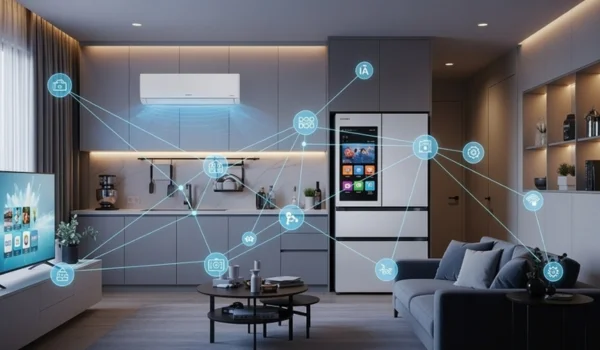
A smart home is a residential property equipped with connected devices that can be controlled automatically or remotely.
Smart home systems typically use:
- Wi-Fi networks
- Mobile apps
- Voice assistants
- Sensors
- Artificial intelligence
- Cloud technology
Homeowners can control devices through:
- Smartphones
- Tablets
- Voice commands
- Automatic schedules
Examples include:
- Adjusting the thermostat remotely
- Checking security cameras while traveling
- Turning off lights automatically
- Detecting water leaks
- Monitoring electricity usage
Why Smart Homes Are Growing in Texas
Texas has several factors driving smart home adoption.
- Extreme Weather Conditions
Texas experiences:
- Very hot summers
- Severe thunderstorms
- Hurricanes
- Winter freezes
Smart technology helps homeowners prepare for and respond to weather challenges.
Examples:
- Smart thermostats reduce cooling costs
- Smart leak sensors detect pipe problems
- Weather monitoring systems provide alerts
- Rising Energy Costs
Air conditioning is one of the largest energy expenses for Texas homeowners.
Smart technology helps reduce energy consumption through:
- Automated temperature control
- Energy monitoring
- Smart appliances
- Growing Technology Industry
Cities like:
- Austin
- Dallas
- Houston
- San Antonio
have strong technology ecosystems.
Texas residents increasingly adopt:
- Artificial intelligence tools
- Internet of Things (IoT) devices
- Home automation systems
Essential Smart Home Ideas for Texas Homes
- Smart Thermostats for Texas Heat
A smart thermostat is one of the most useful upgrades for Texas homeowners.
Popular features include:
- Remote temperature control
- Learning schedules
- Energy reports
- Weather adjustments
Smart thermostats can help reduce cooling costs during long Texas summers.
Benefits
✔ Lower energy bills
✔ Better temperature comfort
✔ Improved HVAC efficiency
✔ Remote access
Popular Smart Thermostat Brands
Examples include:
- Google Nest
- ecobee
- Honeywell Home
Best For:
- Homes with central HVAC systems
- Energy-conscious homeowners
- Busy families
- Smart Security Systems
Security technology is one of the fastest-growing smart home categories.
Smart security systems include:
- Video doorbells
- Security cameras
- Smart locks
- Motion sensors
- Alarm systems
Texas-Specific Benefits
Smart security helps homeowners:
- Monitor properties during storms
- Protect outdoor areas
- Check homes while traveling
- Receive emergency alerts
Features to Consider
Look for:
- HD video
- Night vision
- Cloud storage
- Mobile notifications
- Two-way communication
- Smart Lighting Systems
Smart lighting allows homeowners to control lights automatically.
Features include:
- Scheduling
- Motion detection
- Voice control
- Energy-saving modes
Benefits
✔ Reduces electricity use
✔ Improves home security
✔ Creates customized lighting environments
Texas Applications
Smart outdoor lighting can help with:
- Large yards
- Outdoor entertainment areas
- Security around properties
- Smart Irrigation Systems for Texas Landscapes
Water conservation is important in many Texas communities.
Smart irrigation systems use:
- Weather data
- Soil sensors
- Automated schedules
to manage watering.
Benefits
✔ Reduces water waste
✔ Maintains healthier lawns
✔ Lowers water bills
Best For:
- Suburban homes
- Large lawns
- Drought-prone regions
- Smart Leak Detection Systems
Texas homes can face plumbing issues caused by:
- Freezing temperatures
- Aging pipes
- Storm-related problems
Smart water sensors detect leaks early.
Applications
Sensors can monitor:
- Water heaters
- Bathrooms
- Kitchens
- Basements
- Utility rooms
Benefits
✔ Prevents expensive water damage
✔ Sends instant alerts
✔ Protects property value
- Smart Appliances
Modern appliances can connect to home networks.
Examples:
- Smart refrigerators
- Smart ovens
- Smart washers
- Smart dryers
Benefits
✔ Better energy management
✔ Remote control
✔ Improved convenience
- Smart Solar Energy Systems
Texas receives abundant sunlight, making solar technology popular.
Smart solar systems include:
- Solar panels
- Energy monitoring apps
- Battery storage systems
Benefits
✔ Lower electricity costs
✔ Backup power options
✔ Better energy visibility
Texas Considerations
Solar technology is especially attractive because of:
- High sunlight exposure
- Rising energy demand
- Growing interest in energy independence
- Smart Backup Power Systems
Texas has experienced major weather-related power disruptions.
Smart backup systems include:
- Home batteries
- Smart generators
- Energy management systems
Benefits
✔ Emergency power availability
✔ Protects essential appliances
✔ Improves storm preparedness
Smart Home Infrastructure Requirements
A successful smart home requires reliable infrastructure.
- Strong Internet Connection
Smart devices depend on:
- Stable Wi-Fi
- Reliable broadband
- Good network coverage
Fiber internet is often preferred for homes with many connected devices.
- Smart Home Hub
A hub connects different devices.
Popular platforms include:
- Google Home
- Amazon Alexa
- Apple HomeKit
- Strong Wi-Fi Network
Large Texas homes may need:
- Mesh Wi-Fi systems
- Wi-Fi 6 routers
- Additional access points
- Electrical Preparation
Some smart upgrades may require:
- Updated wiring
- Smart switches
- Professional installation
Leading Smart Home Technology Companies
Texas homeowners have access to products from major technology companies.
Provides:
- Smart speakers
- Smart thermostats
- Home security devices
Amazon
Offers:
- Alexa-powered devices
- Smart displays
- Home automation products
Apple
Provides:
- HomeKit ecosystem
- Privacy-focused smart home controls
Ring
Known for:
- Video doorbells
- Security cameras
Tesla
Offers:
- Energy storage solutions
- Solar technology
Smart Home Applications for Texas Homeowners
Energy Management
Smart technology helps manage:
- HVAC usage
- Lighting
- Appliances
- Solar energy
Home Security
Applications include:
- Remote monitoring
- Emergency alerts
- Automated locks
Weather Protection
Smart systems help with:
- Freeze warnings
- Flood detection
- Storm preparation
Aging-in-Place Technology
Smart homes can support older homeowners through:
- Emergency alerts
- Automated lighting
- Monitoring systems
Smart Home Costs in Texas
Costs depend on the level of automation.
| Smart Home Upgrade | Average Cost |
| Smart thermostat | $100–$300 |
| Smart security camera | $100–$500 |
| Smart lighting system | $50–$500+ |
| Smart irrigation system | $200–$1,000 |
| Smart locks | $150–$400 |
| Complete smart home system | $5,000–$50,000+ |
| Solar smart system | $10,000–$30,000+ |
Benefits of Smart Homes in Texas
- Energy Savings
Smart devices reduce unnecessary energy use.
Examples:
- Automated HVAC adjustments
- Smart lighting schedules
- Energy monitoring
- Better Comfort
Homeowners can customize:
- Temperature
- Lighting
- Entertainment
- Security settings
- Improved Safety
Smart technology provides:
- Real-time alerts
- Remote monitoring
- Emergency notifications
- Increased Property Value
Smart home features can make properties more attractive to buyers.
Popular features include:
- Smart thermostats
- Security systems
- Energy-efficient technology
Challenges of Smart Home Technology
- Installation Costs
Advanced systems require upfront investment.
- Cybersecurity Risks
Connected devices may face:
- Unauthorized access
- Data privacy concerns
- Network vulnerabilities
Solutions:
- Strong passwords
- Updated software
- Secure networks
- Technology Compatibility
Different brands may not always work together.
Homeowners should choose compatible ecosystems.
- Internet Dependence
Many smart devices require reliable internet access.
Power or network outages can affect performance.
Smart Home Maintenance Tips
Update Software Regularly
Updates improve:
- Security
- Performance
- Compatibility
Protect Your Network
Use:
- Strong passwords
- Separate guest networks
- Updated routers
Check Batteries
Replace batteries in:
- Sensors
- Locks
- Cameras
Monitor Device Performance
Regular checks help identify problems early.
Future of Smart Homes in Texas
The smart home industry will continue growing as technology improves.
- Artificial Intelligence Integration
Future homes will become more predictive.
AI may help manage:
- Energy usage
- Security
- Appliance operation
- More Energy Independence
Future Texas homes may combine:
- Solar panels
- Battery storage
- Smart energy management
- Advanced Weather Protection
Smart systems may provide better protection against:
- Storms
- Flooding
- Extreme temperatures
- Increased Automation
Homes will become more capable of automatically adjusting to homeowner habits.
Expert Tips for Creating a Smart Home in Texas
Start With Energy Savings
The best first upgrades are often:
- Smart thermostat
- Smart lighting
- Energy monitoring
Choose Compatible Devices
Select products that work within one ecosystem.
Focus on Texas Climate Needs
Prioritize:
- HVAC automation
- Leak detection
- Storm preparation
- Energy management
Improve Internet Infrastructure First
A reliable network is the foundation of a smart home.
Pros and Cons of Smart Homes
Advantages
✔ Energy savings
✔ Improved security
✔ Greater convenience
✔ Remote control
✔ Better storm preparedness
✔ Increased home value
Disadvantages
✘ Higher upfront costs
✘ Technology learning curve
✘ Maintenance requirements
✘ Cybersecurity concerns
Frequently Asked Questions
What are the best smart home upgrades for Texas homes?
Smart thermostats, security systems, smart irrigation, leak detectors, and energy monitoring systems are among the most useful upgrades.
Are smart homes worth it in Texas?
Yes. Smart technology can improve comfort, reduce energy costs, and help protect homes from weather-related issues.
Do smart homes save money?
Many smart devices reduce energy waste and can lower utility costs over time.
What internet speed is needed for a smart home?
Most homes need reliable broadband, especially if using multiple cameras, smart appliances, and connected devices.
Can smart homes help during Texas storms?
Yes. Smart leak sensors, weather alerts, backup power systems, and security monitoring can improve storm readiness.
How much does it cost to make a home smart?
Costs range from a few hundred dollars for basic upgrades to tens of thousands for complete automation systems.
Final Thoughts
Smart home technology in Texas is becoming more than a luxury—it is becoming a practical solution for improving energy efficiency, security, comfort, and storm preparedness.
Because Texas homeowners face unique challenges such as extreme heat, rising energy costs, and severe weather, smart technology provides valuable tools for managing modern homes.
The future of Texas smart homes will focus on artificial intelligence, renewable energy, automation, and stronger connectivity. Homeowners who invest in the right technologies today can create safer, more efficient, and future-ready homes for tomorrow.