Energy-Efficient Homes in Texas: A Complete Guide for Saving Energy and Reducing Costs

Texas homeowners face some of the highest energy challenges in the United States. Long, hot summers, powerful sunlight, high cooling demand, humidity, occasional winter freezes, and changing weather conditions can significantly increase household energy bills.
An energy-efficient home in Texas is designed to use less electricity while maintaining indoor comfort throughout the year. By choosing the right materials, improving insulation, upgrading HVAC systems, sealing air leaks, and using smart technology, homeowners can reduce energy costs and create a more comfortable living environment.
This guide explains everything Texas homeowners need to know about energy-efficient homes, including materials, climate considerations, improvement costs, maintenance requirements, benefits, drawbacks, expert tips, and frequently asked questions.
Why Energy Efficiency Matters in Texas Homes
Texas has a unique climate that puts extra pressure on residential energy systems.
Major Energy Challenges in Texas Include:
- Extreme summer heat
- Frequent air conditioner use
- High electricity consumption
- Strong UV exposure
- Humidity in coastal areas
- Sudden winter cold snaps
- Rising utility costs
During summer months, air conditioning can represent a large portion of a home’s electricity usage.
An energy-efficient home helps:
- Lower monthly utility bills
- Reduce HVAC workload
- Improve indoor comfort
- Reduce environmental impact
- Increase property value
What Makes a Home Energy Efficient?
An energy-efficient Texas home combines several features:
- Proper insulation
- Efficient windows
- Air sealing
- High-performance HVAC systems
- Energy-saving appliances
- Smart home technology
- Efficient lighting
- Solar energy options
Energy efficiency is not based on one upgrade—it is the result of multiple improvements working together.
Best Energy-Efficient Materials for Texas Homes
- High-Quality Insulation
Insulation is one of the most important parts of an energy-efficient home.
It helps:
- Keep cool air inside during summer
- Retain warmth during winter
- Reduce HVAC operation
- Improve comfort
Common insulation materials include:
Fiberglass Insulation
Popular because it is affordable and widely available.
Advantages:
✔ Low cost
✔ Easy installation
✔ Good thermal protection
Disadvantages:
✘ Can lose effectiveness if damaged by moisture
✘ Requires proper installation
Cost:
Approximately $1–$3 per square foot
Spray Foam Insulation
Spray foam creates an airtight barrier and is highly effective for Texas climates.
Advantages:
✔ Excellent air sealing
✔ Reduces energy loss
✔ Helps control moisture
Disadvantages:
✘ Higher upfront cost
✘ Requires professional installation
Cost:
Approximately $3–$7 per square foot
Cellulose Insulation
Made from recycled materials and treated for fire resistance.
Advantages:
✔ Eco-friendly
✔ Good thermal performance
✔ Affordable
Disadvantages:
✘ Can settle over time
✘ Moisture management is important
- Energy-Efficient Windows
Windows play a major role in heat gain and energy loss.
Traditional windows can allow large amounts of heat into Texas homes during summer.
Recommended window features:
- Double-pane glass
- Low-E coatings
- Vinyl or fiberglass frames
- Gas-filled glazing
Benefits of Energy-Efficient Windows
✔ Reduce cooling costs
✔ Improve indoor comfort
✔ Reduce outside noise
✔ Protect furniture from UV damage
Cost
Energy-efficient windows typically cost:
$500–$2,000 per window installed
A complete home upgrade may cost:
$10,000–$30,000+
depending on home size.
- Cool Roofing Materials
Texas roofs receive intense sunlight throughout the year.
Cool roofing materials reflect more sunlight and absorb less heat.
Popular options include:
- Reflective metal roofing
- Light-colored shingles
- Solar-reflective coatings
- Energy-efficient tiles
Metal Roofing
Metal roofs are especially suitable for Texas climates.
Benefits:
✔ Reflects heat
✔ Long lifespan
✔ Low maintenance
✔ Storm resistant
Cost:
Approximately $8–$18 per square foot installed
- Energy-Efficient Siding
Siding helps protect homes from weather while improving insulation.
Common options:
Fiber Cement Siding
Benefits:
✔ Heat resistant
✔ Durable
✔ Low maintenance
✔ Handles Texas weather well
Cost:
Approximately $5–$14 per square foot
Insulated Vinyl Siding
Benefits:
✔ Affordable
✔ Improves insulation
✔ Easy maintenance
- Energy-Efficient Doors
Doors can create significant air leakage if poorly sealed.
Recommended features:
- Insulated cores
- Weather stripping
- Energy-rated glass panels
- Proper sealing
Cost:
Approximately:
$500–$3,000 per door
HVAC Systems for Texas Energy Efficiency
Because Texas experiences extreme heat, HVAC efficiency is critical.
High-Efficiency Air Conditioners
Look for systems with:
- Higher SEER ratings
- Variable-speed compressors
- Smart thermostat compatibility
Benefits:
✔ Lower cooling costs
✔ Better temperature control
✔ Longer equipment lifespan
HVAC Upgrade Costs
New energy-efficient HVAC systems:
$5,000–$15,000+
depending on size and efficiency.
Smart Thermostats
Smart thermostats help control energy use automatically.
Features include:
- Scheduling
- Remote control
- Temperature learning
- Energy reports
Cost:
Approximately:
$100–$300
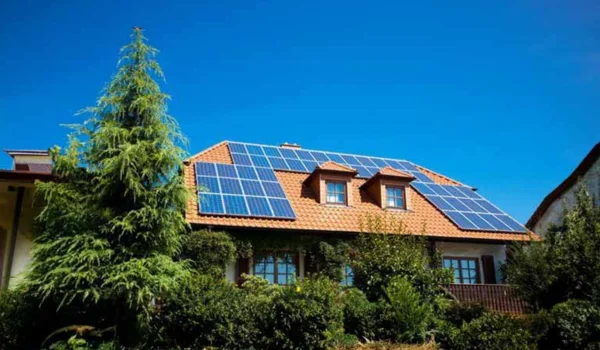
Solar Energy Systems for Texas Homes
Texas receives abundant sunlight, making solar panels a popular energy upgrade.
Benefits of Solar Panels
✔ Lower electricity bills
✔ Renewable energy source
✔ Potential tax incentives
✔ Increased home value
Solar Panel Costs
Average installation:
$15,000–$30,000+
before incentives.
Costs depend on:
- System size
- Roof condition
- Energy needs
- Installation company
Energy-Efficient Home Improvements by Texas Region
North Texas (Dallas–Fort Worth)
Common issues:
- Hot summers
- Storms
- Temperature changes
Recommended upgrades:
- Better insulation
- Efficient HVAC
- Impact-resistant windows
- Cool roofing
Central Texas (Austin, San Antonio)
Common issues:
- Heat
- Drought
- High cooling demand
Recommended upgrades:
- Solar panels
- Energy-efficient windows
- Smart thermostats
- Shade landscaping
Gulf Coast Texas (Houston, Corpus Christi)
Common issues:
- Heat
- Humidity
- Heavy rainfall
Recommended upgrades:
- Moisture-resistant insulation
- Efficient HVAC
- Storm-resistant windows
- Proper ventilation
West Texas
Common issues:
- Extreme heat
- Dry climate
- Strong sunlight
Recommended upgrades:
- Solar systems
- Reflective roofing
- Improved insulation
Energy-Efficient Landscaping Tips
Landscaping can reduce cooling costs naturally.
Plant Shade Trees
Trees can:
- Reduce direct sunlight
- Cool outdoor areas
- Protect walls and windows
Use Native Plants
Native Texas plants require:
- Less water
- Less maintenance
- Better climate adaptation
Install Efficient Irrigation
Smart irrigation systems reduce:
- Water waste
- Landscaping costs
Energy-Efficient Home Maintenance Checklist
Energy upgrades work best when properly maintained.
HVAC Maintenance
Tasks:
- Replace filters regularly
- Clean outdoor units
- Check refrigerant
- Inspect ductwork
Recommended:
Professional service once or twice yearly.
Window Maintenance
Check:
- Seals
- Weather stripping
- Caulking
Replace damaged materials quickly.
Roof Maintenance
Inspect:
- Missing shingles
- Damaged flashing
- Heat damage
A damaged roof reduces energy efficiency.
Insulation Checks
Look for:
- Moisture damage
- Settling
- Missing insulation
Average Costs of Energy-Efficient Home Upgrades in Texas
| Upgrade | Estimated Cost |
| Attic insulation | $1,500–$5,000 |
| Energy-efficient windows | $10,000–$30,000 |
| Smart thermostat | $100–$300 |
| HVAC replacement | $5,000–$15,000 |
| Solar panels | $15,000–$30,000+ |
| Cool roof upgrade | $5,000–$20,000 |
| Air sealing | $500–$3,000 |
Benefits of Energy-Efficient Homes
Advantages
✔ Lower electricity bills
✔ Improved indoor comfort
✔ Better air quality
✔ Reduced carbon footprint
✔ Increased home value
✔ Less HVAC wear and tear
✔ Better protection from Texas weather
Challenges of Energy-Efficient Upgrades
Higher Initial Costs
Many improvements require significant upfront investment.
Installation Complexity
Some upgrades require professionals, including:
- Solar installation
- HVAC replacement
- Spray foam insulation
- Window replacement
Long Payback Period
Some improvements may take years to recover costs through energy savings.
Expert Tips for Texas Homeowners
- Start With an Energy Audit
A professional energy audit identifies:
- Air leaks
- Insulation problems
- HVAC inefficiencies
Cost:
Approximately:
$200–$600
- Seal Air Leaks First
Before expensive upgrades, fix:
- Door gaps
- Window leaks
- Attic air leaks
- Duct leaks
- Upgrade the Attic
Texas homes lose significant energy through poorly insulated attics.
Improve:
- Insulation levels
- Ventilation
- Air sealing
- Choose ENERGY STAR Products
Energy-efficient appliances and equipment can reduce long-term costs.
- Combine Multiple Improvements
The biggest savings usually come from combining:
- Insulation
- Efficient HVAC
- Windows
- Smart controls
Frequently Asked Questions
What is the best way to make a Texas home energy efficient?
The most effective improvements are insulation, air sealing, efficient HVAC systems, energy-efficient windows, and smart thermostats.
Are energy-efficient homes worth it in Texas?
Yes. Lower energy bills, improved comfort, and increased property value make energy-efficient upgrades valuable for many Texas homeowners.
How much can energy-efficient upgrades reduce electricity bills?
Savings vary by home condition and upgrades, but many homeowners can significantly reduce cooling and heating costs through efficiency improvements.
Are solar panels a good investment in Texas?
Because Texas receives abundant sunlight, solar panels can be a practical long-term energy solution for many homeowners.
What insulation is best for Texas homes?
Spray foam, fiberglass, and cellulose insulation can all work well when properly installed. The best option depends on budget and home design.
Do energy-efficient upgrades increase home value?
Yes. Buyers often value lower utility costs, modern systems, and improved comfort.
Final Thoughts
Building or upgrading an energy-efficient home in Texas is one of the smartest investments homeowners can make. The state’s extreme heat, storms, humidity, and changing temperatures make energy performance especially important.
The best approach combines proper insulation, efficient HVAC systems, high-quality windows, smart technology, and weather-resistant materials.
While some upgrades require upfront investment, the long-term benefits include lower energy bills, improved comfort, better indoor air quality, and increased property value.
For Texas homeowners, energy efficiency is not only about saving money—it is about creating a safer, more comfortable, and more sustainable home designed for the local climate.