Texas is one of the best places in the United States for solar energy. With abundant sunshine, rising electricity demand, and a rapidly growing clean energy industry, more homeowners and businesses are asking an important question: Are solar panels worth it in Texas?
For many Texans, the answer is yes—but it depends on factors such as your location, electricity usage, roof condition, utility provider, and long-term financial goals.
Texas is already a national leader in renewable energy, and solar power continues to expand alongside wind energy and battery storage. Improvements in solar technology, lower equipment costs, and smarter energy management systems have made solar more accessible than ever.
This guide explains everything you need to know about solar panels in Texas, including costs, benefits, technology trends, installation process, incentives, major solar companies, challenges, and what the future holds.
Why Texas Is Ideal for Solar Energy
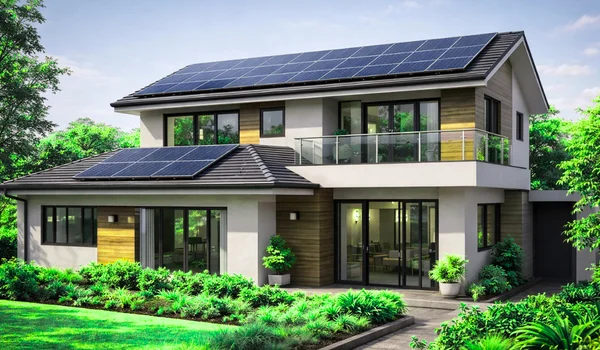
Texas has several advantages that make solar energy attractive for homeowners and businesses.
These include:
- High number of sunny days each year
- Large residential rooftops
- Growing electricity demand
- Expanding renewable energy infrastructure
- Advanced power grid technologies
- Increasing adoption of battery storage
- Competitive solar installation market
Many areas of Texas receive excellent solar exposure throughout the year, allowing panels to generate significant electricity.
How Solar Panels Work
Solar panels convert sunlight into electricity using photovoltaic (PV) cells.
A typical residential solar system includes:
- Solar panels
- Mounting equipment
- Inverter
- Electrical wiring
- Monitoring software
- Optional battery storage
During daylight hours, the system produces electricity that can power your home. Depending on your utility plan and local policies, excess electricity may be exported to the grid or stored in a battery for later use.
Are Solar Panels Worth It in Texas?
For many homeowners, solar panels can provide long-term value by reducing reliance on purchased electricity and helping manage future energy costs.
Solar is generally worth considering if you:
- Own your home
- Have a roof with good sun exposure
- Use moderate to high amounts of electricity
- Plan to stay in your home for several years
- Want greater energy independence
Every home is different, so a professional site assessment is important before making a decision.
Benefits of Installing Solar Panels in Texas
Lower Electricity Bills
Generating your own electricity can reduce the amount of power you buy from the utility, lowering monthly energy expenses.
Protection Against Rising Energy Costs
Electricity prices can fluctuate over time.
Solar helps homeowners become less dependent on changing utility rates.
Clean Renewable Energy
Solar energy produces electricity without direct emissions during operation.
Benefits include:
- Reduced carbon footprint
- Improved environmental sustainability
- Cleaner energy production
Increased Property Appeal
Energy-efficient homes with solar systems may appeal to buyers who value lower operating costs and sustainability. Market impacts vary by location and buyer demand.
Energy Independence
Solar allows homeowners to generate electricity on-site, reducing dependence on the traditional power grid.
When combined with battery storage, homeowners gain additional resilience during power interruptions.
Understanding Solar System Components
Solar Panels
Modern photovoltaic panels are more efficient than earlier generations and continue to improve each year.
Inverter
The inverter converts direct current (DC) electricity into alternating current (AC) used by household appliances.
Battery Storage
Home batteries store excess electricity for later use.
Benefits include:
- Backup power
- Evening energy use
- Reduced grid dependence
- Improved energy management
Battery storage is becoming increasingly popular across Texas.
Smart Monitoring
Most modern systems include mobile apps that allow homeowners to:
- Monitor energy production
- Track electricity consumption
- Detect maintenance issues
- View savings over time
Types of Solar Panels
Several panel technologies are available.
Monocrystalline Panels
Advantages:
- High efficiency
- Long lifespan
- Better performance in limited roof space
These are commonly chosen for residential installations.
Polycrystalline Panels
Advantages:
- Lower upfront cost
- Reliable performance
They are often suitable for budget-conscious homeowners.
Thin-Film Panels
Advantages:
- Lightweight
- Flexible applications
They are generally used for specialized commercial or industrial projects rather than most homes.
Solar Battery Storage in Texas
Battery systems have become one of the fastest-growing areas of residential solar.
Benefits include:
- Backup during outages
- Better use of solar energy after sunset
- Reduced peak electricity purchases
- Greater energy independence
Battery technology continues improving while prices gradually become more competitive.
Solar Installation Process
Installing solar panels generally involves these steps:
- Site evaluation
- Roof inspection
- Energy usage analysis
- System design
- Permitting and approvals
- Equipment installation
- Utility interconnection
- System testing
- Activation and monitoring
Most residential installations are completed within a few days once permits and equipment are ready.
Technology Trends in Texas Solar Energy
High-Efficiency Solar Panels
Newer solar panels generate more electricity using the same roof space.
Higher efficiency helps homeowners maximize production.
AI-Powered Energy Management
Artificial intelligence is improving residential energy systems.
AI can:
- Predict electricity usage
- Optimize battery charging
- Monitor system performance
- Detect equipment problems early
- Improve overall energy efficiency
Smart Inverters
Modern inverters offer:
- Better grid interaction
- Remote software updates
- Improved safety features
- Higher efficiency
Solar Plus Battery Systems
More homeowners are installing complete energy systems that combine:
- Solar panels
- Battery storage
- Smart monitoring
- Backup capabilities
These integrated systems provide greater flexibility and resilience.
Virtual Power Plants (VPPs)
Some energy programs are exploring Virtual Power Plants, where connected home batteries can help support the electrical grid during periods of high demand.
While participation depends on local utility programs, this technology could play a larger role in Texas in the coming years.
Major Solar Companies Serving Texas
Texas has a competitive solar market with national and regional installers.
Many companies provide:
- Residential solar systems
- Commercial installations
- Battery storage
- Maintenance services
- Monitoring solutions
- Financing options
Homeowners should compare multiple quotes, verify licensing, review warranties, and check customer feedback before choosing an installer.
Commercial Solar Growth in Texas
Businesses are increasingly adopting solar power to reduce long-term operating costs and meet sustainability goals.
Commercial sectors investing in solar include:
- Manufacturing
- Warehousing
- Retail
- Healthcare
- Education
- Agriculture
- Hospitality
Large rooftop systems and solar carports are becoming more common across the state.
Utility Infrastructure and Solar Expansion
Texas continues investing in energy infrastructure to support renewable generation.
Key developments include:
- Grid modernization
- Advanced transmission lines
- Battery storage projects
- Smart grid technologies
- Distributed energy resources
These improvements help integrate more solar power into the state’s electricity system.
Challenges of Solar Panels in Texas
While solar offers many advantages, homeowners should also consider potential challenges.
Upfront Costs
Purchasing and installing a solar system requires a significant initial investment, although financing and leasing options may reduce upfront expenses.
Roof Suitability
Not every roof is ideal.
Factors include:
- Roof age
- Orientation
- Shading
- Structural condition
A professional assessment can determine whether your roof is a good candidate.
Weather Conditions
Cloudy days, storms, and seasonal weather variations can reduce solar production temporarily.
However, Texas generally receives enough sunlight for strong annual energy generation.
HOA and Local Requirements
Some neighborhoods may have architectural review requirements or installation guidelines. Homeowners should check applicable rules before beginning a project.
Solar Financing Options
Texas homeowners commonly choose among several financing methods:
- Cash purchase
- Solar loan
- Solar lease
- Power Purchase Agreement (PPA), where available
Each option has different costs, ownership terms, maintenance responsibilities, and potential savings.
Maintenance Requirements
Solar systems require relatively little maintenance.
Recommended practices include:
- Keeping panels reasonably clean
- Inspecting for debris after storms
- Monitoring system performance
- Scheduling professional inspections when needed
Most modern systems are designed for long-term durability.
Who Should Consider Solar Panels?
Solar may be a good fit for:
- Homeowners with high electricity usage
- Families planning to stay in their home for several years
- Households with suitable roof conditions
- People interested in renewable energy
- Homeowners considering battery backup
A personalized financial analysis can help determine expected savings and payback.
Future of Solar Energy in Texas
Texas is expected to remain one of the nation’s leading renewable energy markets.
Future developments may include:
- More efficient solar panels
- Lower battery costs
- Expanded energy storage
- AI-powered home energy systems
- Smart grid integration
- Increased adoption of virtual power plants
- Faster installation technologies
- More distributed energy resources
- Enhanced grid resilience
These innovations will continue making solar energy more practical and effective for homes and businesses.
Tips Before Installing Solar Panels
Before signing a contract:
- Compare quotes from several installers.
- Review equipment warranties carefully.
- Verify installer credentials and experience.
- Understand financing terms.
- Request an estimate of expected energy production.
- Ask about monitoring software and maintenance support.
- Consider whether battery storage fits your needs.
Frequently Asked Questions
Are solar panels worth it in Texas?
For many homeowners, yes. Homes with good sun exposure, suitable roofs, and moderate to high electricity use can often benefit from lower energy costs and greater energy independence over time.
How long do solar panels last?
Most modern solar panels are designed to operate for 25 years or more, although efficiency gradually declines as they age.
Do solar panels work during cloudy weather?
Yes. They continue generating electricity on cloudy days, but production is generally lower than under full sunlight.
Is battery storage necessary?
Not always. Batteries provide backup power and allow you to use more of your solar energy after sunset, but many grid-connected solar systems operate effectively without them.
Can solar panels increase home value?
In some markets, solar-equipped homes may attract buyers looking for energy-efficient features. The impact depends on local market conditions and the quality of the installation.
Conclusion
So, are solar panels worth it in Texas? For many homeowners, the answer is yes. Texas offers abundant sunshine, a growing renewable energy sector, expanding grid modernization, and continuous advances in solar and battery technology. While the upfront investment and roof suitability should be evaluated carefully, a well-designed solar system can provide long-term energy savings, greater resilience, and reduced dependence on traditional electricity sources. As innovations such as AI-powered energy management, smart inverters, battery storage, and virtual power plants continue to evolve, solar energy is expected to become an even more valuable part of Texas’ energy future. By comparing installers, understanding financing options, and choosing a system that matches your energy needs, you can make an informed decision about whether solar is the right investment for your home.