Homeowners Guide to Texas Storm Damage: Causes, Repairs, Costs, Insurance, and Prevention Tips

Texas homeowners experience some of the most diverse and severe weather conditions in the United States. From hurricanes along the Gulf Coast to hailstorms, tornadoes, thunderstorms, flooding, and high winds across the state, storms can cause significant damage to residential properties.
Understanding Texas storm damage is essential for homeowners who want to protect their property, reduce repair costs, and respond quickly after severe weather events.
Storm damage can affect:
- Roofs
- Siding
- Windows and doors
- Foundations
- Fences
- HVAC systems
- Landscaping
- Electrical systems
- Interior structures
This comprehensive guide explains common types of storm damage in Texas homes, repair materials, maintenance strategies, weather conditions, costs, insurance considerations, pros and cons of repair options, expert tips, and frequently asked questions.
Why Texas Homes Experience Frequent Storm Damage
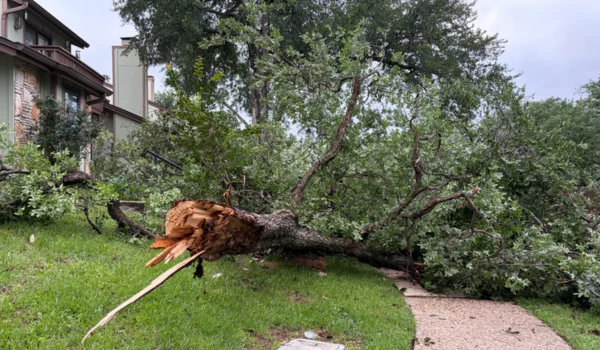
Texas has a wide range of climates, making homes vulnerable to different types of storms.
Common Texas Weather Threats Include:
- Severe thunderstorms
- Large hailstorms
- Hurricanes and tropical storms
- Tornadoes
- Strong straight-line winds
- Flash flooding
- Extreme temperature changes
- Winter storms
Different regions face different risks.
Storm Risks by Texas Region
Gulf Coast Texas
Cities such as:
- Houston
- Galveston
- Corpus Christi
- Beaumont
Common risks:
- Hurricanes
- Storm surge
- Heavy rainfall
- Flooding
- Wind damage
North Texas
Areas around:
- Dallas
- Fort Worth
- Plano
Common risks:
- Hailstorms
- Tornadoes
- High winds
- Severe thunderstorms
Central Texas
Areas around:
- Austin
- San Antonio
Common risks:
- Hail
- Flash flooding
- Strong winds
- Extreme heat damage
West Texas
Common risks:
- High winds
- Dust storms
- Temperature extremes
Common Types of Storm Damage in Texas Homes
- Roof Storm Damage
The roof is usually the first part of a home affected by severe weather.
Storms can cause:
- Missing shingles
- Cracked shingles
- Hail dents
- Roof leaks
- Damaged flashing
- Lifted roofing materials
Best Roofing Materials for Texas Storm Protection
Metal Roofing
Metal roofs are highly durable and perform well during storms.
Benefits:
✔ Strong wind resistance
✔ Long lifespan
✔ Fire resistant
✔ Low maintenance
Cost:
Approximately:
$8–$18 per square foot installed
Impact-Resistant Asphalt Shingles
These shingles are designed to handle hail and debris impacts.
Benefits:
✔ Affordable
✔ Easy replacement
✔ Available in many styles
Cost:
Approximately:
$4–$8 per square foot installed
Concrete and Clay Tiles
Popular in some Texas regions.
Benefits:
✔ Excellent durability
✔ Weather resistant
✔ Long lifespan
Cost:
Approximately:
$10–$25 per square foot installed
- Hail Damage
Texas is one of the leading states for hail-related property damage.
Hail can damage:
- Roof surfaces
- Gutters
- Windows
- Siding
- Outdoor equipment
Signs of hail damage:
- Small dents
- Missing granules on shingles
- Cracked surfaces
- Damaged metal components
- Wind Damage
High winds can damage:
- Roof edges
- Fences
- Trees
- Gutters
- Exterior walls
Wind damage may also allow water to enter the home.
- Flood and Water Damage
Heavy Texas storms can overwhelm drainage systems.
Flood damage may affect:
- Flooring
- Walls
- Electrical systems
- Foundations
- Insulation
Important:
Standard homeowners insurance often does not cover flood damage. Separate flood insurance may be required.
- Foundation Storm Damage
Heavy rain and changing soil conditions can affect Texas foundations.
Possible problems:
- Soil erosion
- Foundation movement
- Cracks
- Water intrusion
Texas homes with expansive clay soil are especially vulnerable.
- Window and Door Damage
Storm debris can break:
- Glass windows
- Sliding doors
- Garage doors
- Entry doors
Impact-resistant windows can reduce future damage.
- Fence and Outdoor Structure Damage
Storms can damage:
- Wood fences
- Metal fences
- Patios
- Decks
- Sheds
Strong winds often loosen fence posts and panels.
Storm-Resistant Home Materials for Texas
Choosing durable materials can reduce future storm repairs.
| Home Area | Recommended Materials |
| Roof | Metal, impact-resistant shingles |
| Windows | Laminated impact glass |
| Siding | Fiber cement, brick |
| Doors | Reinforced storm-rated doors |
| Fencing | Steel, aluminum, treated wood |
| Gutters | Heavy-duty aluminum |
What To Do Immediately After Storm Damage
Safety should always come first.
Step 1: Check for Safety Issues
Look for:
- Downed power lines
- Gas leaks
- Structural instability
- Flooded electrical areas
Avoid dangerous areas.
Step 2: Document Damage
Take:
- Photos
- Videos
- Notes
- Repair estimates
Documentation helps with insurance claims.
Step 3: Prevent Additional Damage
Temporary actions:
- Cover roof leaks with a tarp
- Board broken windows
- Remove standing water
- Protect belongings
Do not make permanent repairs before insurance inspection if a claim is planned.
Texas Storm Damage Repair Costs
Repair costs vary based on:
- Damage severity
- Home size
- Materials
- Labor costs
- Location
Average estimates:
| Repair Type | Estimated Cost |
| Minor roof repair | $300–$1,500 |
| Roof replacement | $8,000–$25,000+ |
| Window replacement | $500–$2,000 each |
| Fence repair | $200–$2,000 |
| Water damage restoration | $1,500–$10,000+ |
| Foundation repair | $5,000–$30,000+ |
| Siding repair | $500–$5,000 |
Homeowners Insurance and Storm Damage in Texas
Many storm-related damages may be covered by homeowners insurance, depending on the policy.
Coverage may include:
- Wind damage
- Hail damage
- Falling trees
- Certain water damage
However, policies may exclude:
- Flood damage
- Poor maintenance issues
- Normal wear and tear
How to File a Storm Damage Insurance Claim
Step 1: Review Your Policy
Understand:
- Coverage limits
- Deductibles
- Exclusions
Step 2: Contact Your Insurance Company
Provide:
- Date of storm
- Type of damage
- Photos
- Repair estimates
Step 3: Schedule an Inspection
An insurance adjuster evaluates the damage.
Step 4: Complete Repairs
Use licensed contractors and keep all receipts.
Storm Damage Prevention Tips for Texas Homes
- Inspect Your Roof Regularly
Check for:
- Missing shingles
- Cracks
- Damaged flashing
Recommended:
At least twice yearly.
- Maintain Gutters and Drainage
Clean gutters help prevent:
- Roof leaks
- Foundation issues
- Water buildup
- Trim Trees
Remove:
- Dead branches
- Weak limbs
- Trees near structures
- Strengthen Windows and Doors
Consider:
- Storm shutters
- Impact-resistant glass
- Reinforced doors
- Secure Outdoor Items
Before storms:
Store or secure:
- Furniture
- Decorations
- Tools
- Equipment
Storm Damage Repair vs Replacement
Repair Advantages
✔ Lower cost
✔ Faster completion
✔ Suitable for minor damage
Repair Disadvantages
✘ May not solve underlying issues
✘ Future repairs may still be needed
Replacement Advantages
✔ Long-term solution
✔ Improved durability
✔ Better energy efficiency
Replacement Disadvantages
✘ Higher upfront cost
✘ Longer project timeline
Seasonal Storm Maintenance Checklist for Texas Homes
Before Storm Season
✔ Inspect roof
✔ Clean gutters
✔ Check drainage
✔ Trim trees
✔ Review insurance coverage
✔ Test emergency supplies
After Severe Weather
✔ Inspect exterior
✔ Check for leaks
✔ Photograph damage
✔ Remove hazards
✔ Contact professionals if needed
Expert Tips for Texas Homeowners
- Do Not Ignore Small Damage
Small leaks or cracks can become expensive repairs.
- Get Professional Inspections
Storm damage is not always visible from the ground.
- Keep Maintenance Records
Maintain records of:
- Repairs
- Inspections
- Improvements
- Insurance documents
- Choose Local Contractors
Texas contractors understand:
- Local weather patterns
- Building requirements
- Common storm problems
- Upgrade Before Disaster Happens
Preventive improvements are usually cheaper than emergency repairs.
Pros and Cons of Storm-Proofing Your Texas Home
Advantages
✔ Reduces storm damage risk
✔ Improves safety
✔ Protects property value
✔ May reduce future repair costs
✔ Improves insurance eligibility in some cases
Disadvantages
✘ Requires upfront investment
✘ Some upgrades are expensive
✘ Maintenance is still necessary
Frequently Asked Questions
What causes the most storm damage in Texas homes?
Hail, high winds, hurricanes, heavy rain, and tornadoes are among the biggest causes of home storm damage in Texas.
Does homeowners insurance cover storm damage in Texas?
Many policies cover wind and hail damage, but flood damage usually requires separate flood insurance.
How quickly should storm damage be repaired?
Temporary protection should be done immediately, while permanent repairs should begin after proper inspection and approval.
What is the best roof for Texas storms?
Metal roofing and impact-resistant shingles are popular choices because they handle wind and hail better than standard materials.
How can I protect my Texas home from storms?
Maintain your roof, improve drainage, protect windows, trim trees, secure outdoor items, and consider storm-resistant upgrades.
Should I replace my roof after hail damage?
It depends on the severity of damage. A professional roof inspection can determine whether repair or replacement is needed.
Final Thoughts
Texas storms can be unpredictable and damaging, but homeowners can reduce risks through preparation, regular maintenance, and smart upgrades.
The best protection strategy includes choosing durable materials, maintaining roofs and drainage systems, strengthening vulnerable areas, and understanding insurance coverage.
A storm-resistant Texas home is not created overnight. It requires planning, inspections, and ongoing care. By taking preventive steps today, homeowners can protect their property, reduce repair expenses, and improve safety during future storms.