Strong winds can damage roofs in El Paso, Texas, by lifting shingles, loosening flashing, damaging roof edges, and sending debris onto homes. Even when a roof looks normal from the street, wind may have loosened materials or created openings that allow water to enter during the next rainstorm.
After a windstorm, homeowners should check for visible damage, document what they find, and arrange a professional inspection when necessary. Prompt action can help prevent minor roofing problems from becoming more expensive repairs.
This guide explains how to identify high-wind roof damage, when to call a roofing contractor, what repairs may be needed, and how homeowners insurance may apply.
How High Winds Damage Roofs in El Paso
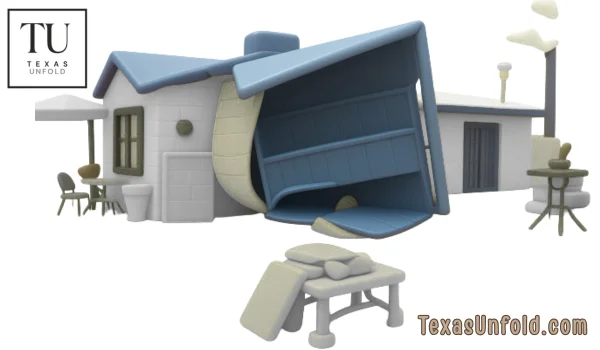
Wind does not affect every roof in the same way. The extent of the damage depends on wind speed, roof design, installation quality, roofing material, and the condition of the existing roof.
Common types of wind-related roof damage include:
- Lifted shingles: Wind can lift shingle edges, weaken their attachment, or break the seal that holds them in place.
- Missing shingles: Strong gusts may remove shingles and expose the underlying roofing layers.
- Damaged flashing: Metal flashing around chimneys, vents, and roof joints can become loose or bent.
- Loose ridge caps: Roofing materials along roof peaks may become displaced.
- Damaged gutters: Wind and flying debris can loosen gutters, brackets, and downspouts.
- Debris impacts: Tree branches and other objects can damage shingles, metal panels, skylights, or roof accessories.
- Water intrusion: Openings in the roofing system can allow moisture into the attic or living areas.
Wind damage can occur without removing an entire shingle. If the material has been lifted or loosened, the roof may be more vulnerable to later weather exposure.
Signs of Wind Damage to Look for After a Storm
You can perform an initial visual check from the ground without climbing onto the roof.
| Area | Warning signs |
|---|---|
| Asphalt shingles | Missing, curled, lifted, or displaced shingles |
| Roof edges | Loose roofing materials or damaged edge components |
| Ridge caps | Missing or misaligned caps along the roof peak |
| Flashing | Bent or displaced metal around roof openings |
| Gutters | Detached sections, loose brackets, or sagging |
| Roof vents | Loose covers or visible damage |
| Yard and driveway | Shingle fragments, broken branches, or roofing debris |
| Ceilings and attic | New water stains, dripping, or damp insulation |
Not all roofing problems are caused by wind. Aging materials, poor installation, and previous damage can create similar symptoms. A professional inspection can help determine the likely cause and the appropriate repair.
Safety reminder: Never climb onto a roof immediately after a windstorm. Roofing materials may be loose, surfaces may be slippery, and hidden structural damage may make the roof unsafe.
What to Do Immediately After a Windstorm
If you suspect your El Paso home has roof damage, follow these steps before arranging permanent repairs.
- Check Your Property From the Ground
Look for missing shingles, damaged gutters, fallen branches, and other visible signs of damage. If you notice a sagging roof section, fallen power lines, or signs of structural instability, stay away from the affected area and contact the appropriate professionals.
- Photograph Visible Damage
Take photographs from safe locations. Record damaged roofing materials, debris, broken windows, damaged gutters, and any interior water stains.
Keep the original photographs and note the approximate date of the storm. This documentation may help when discussing repairs with a contractor or reporting a potential insurance claim.
- Protect the Interior
If water enters your home, move furniture and belongings away from the affected area when it is safe to do so. Arrange appropriate temporary protection to prevent additional damage.
Avoid climbing onto the roof to place a tarp yourself. Roof-level work should be handled by qualified professionals, particularly when materials have been loosened by wind.
- Arrange a Professional Roof Inspection
Contact a qualified roofing contractor if you see missing shingles, loose flashing, damaged roof edges, or signs of a leak.
Ask for a written report that identifies the affected areas, includes photographs, and explains which repairs are recommended.
When Should You Call a Roofing Contractor?
A professional inspection is especially important in the following situations:
- You notice missing, lifted, or broken shingles.
- Roofing debris appears in your yard after strong winds.
- Flashing or roof accessories look displaced.
- A ceiling develops a new water stain.
- Water enters the attic or living area.
- A tree branch or other object strikes the roof.
- You suspect damage but cannot identify its extent from the ground.
Even if a roof appears intact, an inspection may be worthwhile when there are clear signs of damage elsewhere on the property.
When selecting a contractor, verify the company’s business details, request proof of appropriate insurance, and ask for a written estimate before authorizing permanent work.
Common High-Wind Roof Repairs
The repair required depends on the roofing material, location of the damage, and condition of the surrounding area.
| Type of damage | Possible repair |
|---|---|
| A few missing asphalt shingles | Replace affected shingles and check nearby materials |
| Lifted shingle edges | Assess the attachment and replace damaged materials where needed |
| Loose flashing | Repair or replace flashing and inspect the surrounding area |
| Damaged ridge caps | Replace or secure affected components |
| Loose gutters | Reattach or replace damaged brackets and sections |
| Damaged metal roofing panels | Repair or replace panels and check fasteners |
| Roof leaks | Identify the entry point and repair the roofing system |
| Damaged roof decking | Replace affected sections if an inspection confirms deterioration or structural damage |
A contractor should identify the cause of the problem rather than simply covering the visible symptoms. For example, repairing an interior ceiling stain without addressing the roof leak will not resolve the underlying issue.
If damage is widespread or the roof is already deteriorating, the contractor may recommend comparing the cost of extensive repairs with a full replacement.
How Much Does Wind Damage Roof Repair Cost in El Paso?
Repair costs depend on the amount of damage, roof height, material type, accessibility, and whether the underlying roof deck has been affected.
Small repairs involving a few shingles may cost a few hundred dollars. More extensive work involving flashing, multiple roof sections, or water-damaged materials can cost substantially more. A full roof replacement is a separate, larger project.
| Repair type | General cost expectation |
|---|---|
| Minor shingle repair | Lower cost |
| Flashing repair | Low to moderate cost |
| Multiple damaged roof sections | Moderate to high cost |
| Roof decking repairs | Depends on the extent of damage |
| Full roof replacement | Significantly higher than localized repairs |
These categories are intended for budgeting, not as guaranteed local prices. Obtain an itemized estimate from a contractor who has inspected the property.
Ask whether the quote includes labor, materials, removal and disposal, flashing, underlayment, and any additional work that may be necessary if hidden damage is discovered.
Does Homeowners Insurance Cover Wind Damage in El Paso?
Homeowners insurance may cover roof damage caused by a covered windstorm, but coverage depends on your specific policy, deductible, exclusions, and the insurer’s assessment.
Before filing a claim, review these details:
- Wind coverage: Confirm whether the policy covers the type of damage you experienced.
- Deductible: Check whether a separate wind or hail deductible applies.
- Roof settlement terms: Determine whether the policy pays replacement cost or actual cash value.
- Existing deterioration: Damage caused by ordinary wear and tear may be treated differently from sudden storm damage.
- Reporting requirements: Check the deadline and procedures for notifying the insurer.
How to Handle a Wind Damage Insurance Claim
If you suspect the windstorm caused covered damage:
- Document the visible damage and the approximate storm date.
- Notify your insurer promptly and follow its reporting instructions.
- Keep the contractor’s inspection report and written estimate.
- Take reasonable steps to prevent further damage.
- Save receipts for temporary repairs and emergency services.
- Review the insurer’s assessment and ask questions about any disputed items.
If permanent repairs are not urgent, coordinate with your insurer before starting work when practical. If immediate repairs are needed to protect your home, document the original condition and keep records of the work performed.
For additional guidance, consult the Texas Department of Insurance, which provides information about storm damage, insurance claims, and consumer protection.
How to Choose a Reliable El Paso Roofing Contractor
After a storm, some contractors may offer quick inspections or pressure homeowners to sign immediately. Take time to verify the company before committing to repairs.
Use this checklist:
- Confirm the contractor’s business information and references.
- Ask for proof of appropriate insurance.
- Request an inspection report with photographs.
- Obtain an itemized estimate and a written contract.
- Review the materials, payment schedule, cleanup terms, and warranties.
- Be cautious of contractors who promise guaranteed insurance approval.
- Avoid blank contracts or pressure to pay the entire amount before work is completed.
- Do not agree to arrangements that unlawfully waive your insurance deductible.
For significant repairs, consider obtaining two or three written estimates. Compare the proposed work and materials rather than choosing solely on the lowest price.
How to Reduce the Risk of Future Wind Damage
Although homeowners cannot prevent every storm-related problem, regular maintenance can help keep a roof in better condition.
- Schedule periodic roof inspections.
- Repair loose shingles and damaged flashing before the next storm.
- Keep gutters and downspouts clear.
- Trim branches that could fall onto the roof.
- Replace roofing materials that have deteriorated beyond effective repair.
- When replacing the roof, ask about products tested for wind resistance.
- Keep records of roof inspections, repairs, and warranty information.
A roofing product’s performance depends on correct installation as well as its specifications. Ask your contractor to confirm that the proposed system meets applicable building requirements and manufacturer installation instructions.
Frequently Asked Questions
Can strong winds damage a roof without removing shingles?
Yes. Wind can lift shingles, weaken their attachment, or damage flashing without removing visible pieces. These problems may make the roof more vulnerable to later rain.
Should I replace my roof after a windstorm?
Not necessarily. If the damage is limited and the rest of the roof is in good condition, repairs may be sufficient. Replacement may be worth considering if damage is widespread or the roof is already near the end of its service life.
How quickly should I repair wind damage?
Arrange an inspection promptly when you notice damage. Address openings and leaks as soon as possible to help prevent further water intrusion. Your insurer may also have specific claim-reporting requirements.
Will insurance pay for a roof damaged by wind?
A policy may cover sudden wind damage if the loss meets its terms and exclusions. The deductible, roof coverage provisions, and insurer’s assessment affect the outcome. Ordinary wear and tear is generally treated differently from covered storm damage.
Can I repair wind damage myself?
Minor maintenance at ground level may be manageable, but climbing onto a storm-damaged roof can be dangerous. Roof repairs involving loose materials, flashing, or structural components should generally be handled by a qualified professional.
Conclusion
High winds can damage El Paso roofs by lifting shingles, loosening flashing, damaging gutters, and creating openings that allow water inside. After a windstorm, inspect your property from the ground, document visible damage, and arrange a professional assessment when needed.
Prompt repairs, careful contractor selection, and a clear understanding of your homeowners insurance policy can help you protect your home and manage repair expenses. Regular maintenance and proper installation can also reduce the risk of preventable roofing problems during future storms.