Texas is one of the largest agricultural states in the United States, producing everything from juicy peaches and sweet onions to grass-fed beef, Gulf seafood, pecans, and seasonal vegetables. Farmers markets across the Lone Star State give shoppers direct access to fresh, locally grown produce and handcrafted foods while supporting family farms and small businesses.
Whether you’re a local resident searching for farm-fresh ingredients or a visitor looking to experience authentic Texas flavors, farmers markets offer an enjoyable way to discover the state’s agricultural heritage. In this guide, you’ll learn about the history of farmers markets in Texas, what to buy, regional specialties, top markets to visit, shopping tips, nutritional benefits, and frequently asked questions.
The History of Farmers Markets in Texas
Texas has a long farming and ranching tradition that dates back to Spanish settlers, Native American communities, and early ranchers. Throughout the 19th century, local markets became gathering places where farmers sold fresh fruits, vegetables, dairy products, meats, and baked goods directly to nearby communities.
As cities expanded during the 20th century, grocery stores became more common, but farmers markets remained an important outlet for local producers. In recent decades, interest in fresh, seasonal, and sustainably grown food has led to a renewed appreciation for farmers markets across Texas.
Today, hundreds of markets operate throughout the state, connecting consumers with local farmers, ranchers, bakers, beekeepers, and artisans.
Why Visit a Farmers Market in Texas?
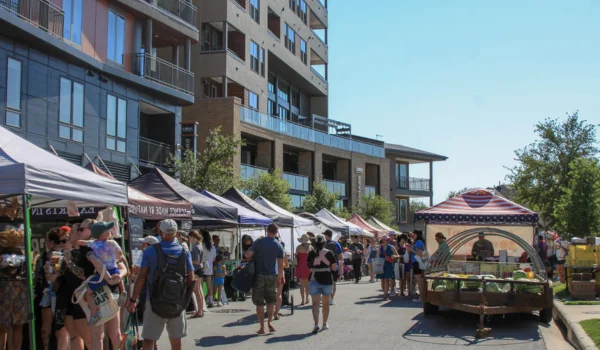
Shopping at a Texas farmers market offers several advantages:
- Fresh seasonal produce
- Locally raised meats
- Texas-grown fruits and vegetables
- Homemade baked goods
- Fresh flowers
- Local honey
- Artisan cheeses
- Small-batch jams and sauces
- Direct support for family farms
- Opportunities to meet local producers
Many markets also feature live music, cooking demonstrations, and family-friendly activities.
What Can You Buy at Texas Farmers Markets?
Texas farmers markets offer a wide variety of products throughout the year.
Fresh Fruits
- Texas peaches
- Watermelons
- Strawberries
- Blackberries
- Blueberries
- Citrus fruits
- Apples
- Grapes
Fresh Vegetables
- Tomatoes
- Sweet onions
- Bell peppers
- Jalapeños
- Okra
- Squash
- Cucumbers
- Corn
- Spinach
- Leafy greens
Meats and Seafood
- Grass-fed beef
- Free-range chicken
- Pork
- Lamb
- Farm-fresh eggs
- Gulf shrimp
- Fresh fish
Dairy Products
- Artisan cheese
- Fresh milk
- Yogurt
- Butter
Pantry Items
- Texas honey
- Pecan butter
- Salsa
- Barbecue sauces
- Hot sauces
- Pickles
- Olive oils
- Spice blends
Fresh Bakery Items
- Sourdough bread
- Kolaches
- Cinnamon rolls
- Cookies
- Pies
- Cakes
Regional Farmers Market Specialties
Central Texas
Known for:
- Peaches
- Grass-fed beef
- Artisan cheeses
- Fresh herbs
- Kolaches
East Texas
Popular products include:
- Blueberries
- Blackberries
- Sweet potatoes
- Pecans
- Honey
South Texas
Known for:
- Citrus fruits
- Jalapeños
- Tomatoes
- Avocados
- Fresh herbs
West Texas
Popular offerings include:
- Beef
- Goat
- Lamb
- Pecans
- Chiles
Texas Gulf Coast
Fresh seafood is the highlight:
- Gulf shrimp
- Blue crab
- Oysters
- Fresh fish
Texas Hill Country
Visitors can enjoy:
- Peaches
- Wine
- Olive oil
- Lavender
- Artisan breads
Best Farmers Markets in Texas
Dallas Farmers Market
One of the largest and most well-known markets in Texas, featuring local produce, artisan foods, specialty vendors, and restaurants.
Highlights
- Seasonal fruits
- Fresh vegetables
- Gourmet foods
- Handmade crafts
Urban Harvest Farmers Market – Houston
A popular weekend destination offering locally grown produce, fresh meats, dairy products, baked goods, and prepared foods.
Known For
- Organic vegetables
- Artisan breads
- Fresh herbs
- Sustainable farming products
Texas Farmers’ Market at Mueller – Austin
This vibrant market showcases Central Texas farmers, ranchers, bakers, and food producers.
Popular Products
- Grass-fed beef
- Local honey
- Fresh eggs
- Seasonal produce
- Small-batch coffee
Pearl Farmers Market – San Antonio
Located in the historic Pearl District, this market emphasizes local food, sustainable agriculture, and artisan products.
Must-Buy Items
- Farm-fresh vegetables
- Handmade cheeses
- Fresh pastries
- Specialty sauces
Cowtown Farmers Market – Fort Worth
A producer-only market where vendors sell items they grow or produce themselves.
Highlights
- Fresh produce
- Farm eggs
- Honey
- Baked goods
- Pasture-raised meats
Waco Downtown Farmers Market
This community-focused market offers fresh produce, local meats, handcrafted foods, and live entertainment.
Popular Purchases
- Seasonal fruits
- Fresh flowers
- Homemade jams
- Artisan bread
Seasonal Produce in Texas
Spring
- Strawberries
- Lettuce
- Spinach
- Radishes
- Asparagus
Summer
- Peaches
- Tomatoes
- Watermelons
- Sweet corn
- Blackberries
- Okra
Fall
- Pumpkins
- Sweet potatoes
- Apples
- Pecans
- Squash
Winter
- Citrus fruits
- Kale
- Broccoli
- Carrots
- Cabbage
Shopping seasonally often means better flavor, freshness, and value.
Preparation Tips for Fresh Farmers Market Ingredients
To get the most from your purchases:
- Wash produce just before use, not before storage.
- Store herbs in water or wrapped in a damp paper towel.
- Keep tomatoes at room temperature for the best flavor.
- Refrigerate leafy greens promptly.
- Freeze extra berries for smoothies and desserts.
- Use fresh peaches in cobblers or jams.
- Grill seasonal vegetables with olive oil and herbs.
- Pair locally raised meats with fresh produce for balanced meals.
Nutritional Benefits of Farmers Market Foods
Fresh, locally grown foods are often harvested closer to peak ripeness, helping preserve flavor and nutrients.
Approximate nutrition for one cup of mixed seasonal vegetables:
| Nutrient | Amount |
| Calories | 40–60 kcal |
| Protein | 2–3 g |
| Carbohydrates | 8–12 g |
| Fiber | 3–5 g |
| Vitamin C | 30–80% DV |
| Vitamin A | 20–60% DV |
| Potassium | 8–15% DV |
| Folate | 10–20% DV |
Nutritional values vary depending on the type of produce and growing conditions.
Benefits of Shopping at Farmers Markets
Choosing local markets can provide several advantages:
- Fresher ingredients
- Seasonal variety
- Support for local farmers
- Reduced transportation distances for food
- Opportunities to discover unique Texas products
- Access to small-batch artisan foods
- Stronger connections with the local community
- Inspiration for healthy home cooking
Tips for Visiting a Texas Farmers Market
To make the most of your visit:
- Arrive early for the widest selection.
- Bring reusable shopping bags.
- Carry a cooler if purchasing meat, seafood, or dairy.
- Bring cash, although many vendors also accept cards or mobile payments.
- Ask vendors about growing practices and cooking tips.
- Try free samples when available.
- Explore the entire market before making purchases.
- Buy seasonal produce for the best quality and price.
Why Farmers Markets Matter in Texas
Farmers markets play an important role in preserving Texas agriculture, supporting local economies, and encouraging healthy eating. They help small farms remain competitive while giving consumers access to fresh foods that reflect the state’s diverse climate and agricultural traditions. They also foster community connections by bringing together farmers, artisans, chefs, and shoppers in a welcoming environment.
Frequently Asked Questions
What is the largest farmers market in Texas?
The Dallas Farmers Market is one of the largest and most recognized farmers markets in the state, offering fresh produce, specialty foods, and artisan goods.
When is the best time to visit a Texas farmers market?
Morning is usually the best time to visit, as vendors have the freshest selection and the weather is often cooler.
Are Texas farmers markets open year-round?
Many major markets operate throughout the year, although product availability changes with the seasons. Smaller markets may have seasonal schedules.
Can I buy organic produce at Texas farmers markets?
Yes. Many vendors offer organically grown or sustainably produced fruits and vegetables. Ask individual farmers about their growing methods.
What foods should I buy at a Texas farmers market?
Popular purchases include Texas peaches, tomatoes, sweet onions, pecans, local honey, artisan bread, grass-fed beef, fresh eggs, handmade cheeses, and seasonal vegetables.
Are farmers market products more expensive?
Some items may cost more than supermarket products, while others are competitively priced. Many shoppers value the freshness, quality, and direct support of local farmers.
Can tourists visit farmers markets?
Absolutely. Farmers markets are excellent places to experience Texas food culture, sample regional specialties, and purchase locally made products as gifts or souvenirs.
Conclusion
Farmers markets in Texas offer far more than fresh produce—they showcase the state’s rich agricultural heritage, regional diversity, and commitment to supporting local farmers and artisans. From sweet Hill Country peaches and locally harvested pecans to Gulf Coast seafood, artisan breads, and handcrafted preserves, every market reflects the unique flavors of its community. Whether you’re shopping for ingredients to prepare a home-cooked meal, discovering seasonal specialties, or simply enjoying a weekend outing, visiting a Texas farmers market is one of the most authentic ways to experience the Lone Star State’s vibrant food culture.