Youth sports are a cornerstone of life in Texas. From neighborhood soccer leagues and Little League baseball to competitive travel teams and high school athletics, millions of children across the Lone Star State participate in organized sports every year. These programs help young athletes develop physical fitness, teamwork, leadership, confidence, and lifelong friendships.
Texas has earned a national reputation for producing elite athletes in football, baseball, basketball, track and field, swimming, soccer, golf, tennis, and many other sports. Strong community support, excellent facilities, and dedicated coaches make Texas one of the best places in the country for young athletes to learn and compete.
This guide explains everything you need to know about Youth Sports in Texas, including their history, benefits, popular sports, rules, organizations, costs, fan culture, and practical tips for parents.
Why Youth Sports Matter in Texas
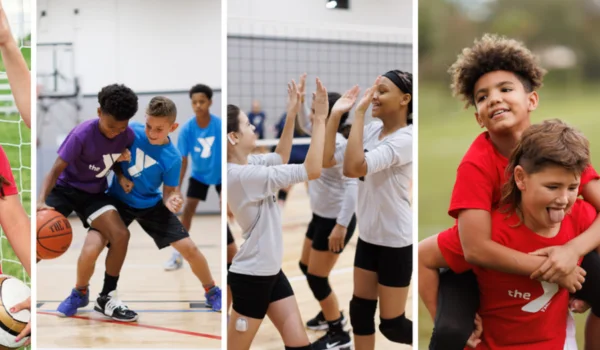
Sports are an important part of Texas culture, and many children begin participating in organized athletics at an early age. Schools, cities, nonprofit organizations, and private clubs provide opportunities for children of different ages and skill levels.
Youth sports help children:
- Stay physically active
- Learn teamwork
- Build confidence
- Develop leadership skills
- Improve discipline
- Make new friends
- Learn sportsmanship
- Develop healthy habits
Participation is about much more than winning games—it’s about personal growth and community involvement.
A Brief History of Youth Sports in Texas
Organized youth sports have been part of Texas communities for generations. Early programs were often sponsored by schools, churches, and local recreation departments. As the state’s population grew, youth leagues expanded to include a wider variety of sports and competitive levels.
Today, Texas has one of the largest youth sports systems in the United States. Many communities offer recreational leagues for beginners alongside competitive club and travel programs for athletes seeking higher levels of competition.
Most Popular Youth Sports in Texas
Football
Football is one of the most popular youth sports in Texas. Many children begin with flag football before progressing to tackle football as they grow older.
Young athletes learn:
- Passing
- Catching
- Blocking
- Tackling (where applicable)
- Team strategy
- Sportsmanship
Youth football often serves as the foundation for middle school and high school programs.
Baseball
Baseball has a long tradition in Texas and remains one of the state’s favorite youth sports.
Players develop skills such as:
- Hitting
- Pitching
- Catching
- Base running
- Fielding
Many communities offer recreational and competitive baseball leagues.
Basketball
Basketball is popular because it can be played year-round in gyms and recreation centers.
Children learn:
- Dribbling
- Passing
- Shooting
- Defensive positioning
- Teamwork
Youth basketball leagues are available in nearly every Texas community.
Soccer
Soccer continues to grow rapidly throughout Texas due to increasing youth participation and diverse communities.
Players develop:
- Ball control
- Passing
- Shooting
- Defensive skills
- Endurance
Both recreational and competitive leagues are widely available.
Softball
Softball is especially popular among girls, though co-ed opportunities also exist in some programs.
Athletes learn:
- Batting
- Pitching
- Fielding
- Base running
- Team communication
Texas regularly produces successful softball players at the collegiate and professional levels.
Volleyball
Volleyball has experienced tremendous growth in Texas over the past two decades.
Youth leagues teach:
- Serving
- Passing
- Setting
- Hitting
- Blocking
- Court communication
Many athletes continue competing through high school and college.
Track and Field
Track and field programs allow children to participate in:
- Sprinting
- Distance running
- Long jump
- High jump
- Shot put
- Relay races
These events help develop speed, strength, coordination, and endurance.
Swimming
Swimming provides both recreational enjoyment and competitive opportunities.
Young swimmers improve:
- Endurance
- Technique
- Water safety
- Confidence
Many Texas communities operate year-round swim programs.
Tennis
Youth tennis continues to grow in popularity.
Children develop:
- Hand-eye coordination
- Agility
- Strategy
- Sportsmanship
Public parks and tennis clubs throughout Texas provide lessons and competitions.
Golf
Golf offers young athletes opportunities to compete individually while learning patience, focus, and honesty.
Junior golf programs are available across Texas at public and private courses.
How Youth Sports Are Organized
Youth sports in Texas are offered through a variety of organizations.
Common providers include:
- City parks and recreation departments
- Independent youth sports leagues
- School athletic programs
- Community organizations
- Private sports clubs
- Faith-based organizations
- Travel teams
- Youth development programs
Families can choose recreational or competitive programs depending on their child’s interests and experience.
Basic Rules of Youth Sports
While rules vary by sport and age group, most youth leagues share common principles.
Players are expected to:
- Follow game rules
- Respect officials
- Demonstrate good sportsmanship
- Play safely
- Respect teammates and opponents
- Follow coaches’ instructions
Many leagues modify rules for younger players to encourage skill development and enjoyment.
The Importance of Coaches
Coaches play an important role in youth sports by teaching more than athletic skills.
Good coaches help athletes develop:
- Confidence
- Discipline
- Leadership
- Respect
- Communication
- Problem-solving
- Responsibility
Many coaches volunteer their time to support young athletes and strengthen their communities.
Parents and Family Support
Parents are an essential part of the youth sports experience.
Families contribute by:
- Encouraging participation
- Providing transportation
- Volunteering at events
- Supporting positive attitudes
- Celebrating effort as well as results
Positive parental involvement helps create a healthy environment for children.
Facilities Across Texas
Texas offers outstanding sports facilities for young athletes.
Common venues include:
- Community parks
- Baseball complexes
- Football fields
- Soccer parks
- Recreation centers
- School gyms
- Swimming pools
- Tennis courts
- Golf courses
- Track facilities
Many communities continue investing in modern youth sports infrastructure.
Fan Culture
Youth sports bring communities together.
Game-day traditions often include:
- Family cheering sections
- Team banners
- Concession stands
- End-of-season celebrations
- Volunteer support
- Community spirit
Unlike professional sports, youth events emphasize participation, development, and community involvement.
Climate Considerations
Texas weather affects youth sports throughout the year.
Spring
Spring provides comfortable temperatures for baseball, soccer, softball, tennis, and track competitions.
Summer
Summer sports require extra precautions because of high temperatures.
Parents and coaches should:
- Encourage hydration
- Schedule water breaks
- Use sunscreen
- Monitor athletes for signs of heat-related illness
- Adjust practice times when necessary
Fall
Fall is football season and also a popular time for soccer, cross-country, and volleyball.
Winter
Indoor sports such as basketball, volleyball, and swimming remain active throughout winter.
Costs of Youth Sports
Participation costs vary depending on the sport and level of competition.
Typical expenses may include:
- Registration fees
- Uniforms
- Equipment
- Shoes
- Tournament fees
- Travel expenses
- Coaching fees (for club teams)
Many communities also offer affordable recreational programs and financial assistance to help families participate.
Safety in Youth Sports
Safety is a priority for every program.
Important practices include:
- Proper warm-ups
- Age-appropriate instruction
- Certified coaches
- Safe equipment
- Hydration
- Concussion awareness
- Emergency action plans
- Regular equipment inspections
Parents should ensure programs follow appropriate safety standards.
Interesting Facts About Youth Sports in Texas
- Texas has one of the largest youth sports populations in the United States.
- Many professional athletes began their careers in Texas youth leagues.
- High school athletics in Texas are among the most competitive in the country.
- Soccer is one of the fastest-growing youth sports in the state.
- Texas hosts hundreds of youth tournaments every year, attracting teams from across the nation.
- Volunteer coaches and parents contribute thousands of hours to support local leagues.
Tips for Parents
If your child is interested in sports:
- Let them choose a sport they enjoy.
- Focus on learning rather than winning.
- Encourage regular practice.
- Support healthy nutrition and hydration.
- Praise effort and improvement.
- Respect coaches and officials.
- Balance sports with academics and family time.
- Make participation fun.
Positive experiences help children develop a lifelong love of physical activity.
Frequently Asked Questions
What is the most popular youth sport in Texas?
Football is widely regarded as the most popular youth sport in Texas, though baseball, basketball, soccer, softball, and volleyball also have large numbers of participants.
At what age can children start youth sports?
Many recreational programs begin for children as young as four or five years old, with age requirements varying by sport and organization.
Are youth sports expensive?
Costs vary. Community recreation leagues are generally affordable, while competitive club and travel teams may require higher registration, equipment, and travel expenses.
Are there opportunities for beginners?
Yes. Most Texas communities offer beginner-friendly recreational leagues that focus on skill development, participation, and enjoyment.
How do youth sports benefit children?
Participation promotes physical fitness, teamwork, confidence, discipline, leadership, communication skills, and healthy social development.
Are youth sports available year-round?
Yes. Thanks to Texas’ climate and extensive indoor facilities, different sports are offered throughout the year.
Final Thoughts
Youth sports are an essential part of Texas life, providing children with opportunities to grow both on and off the field. Whether a child is learning the basics of soccer, competing in a baseball tournament, swimming in local meets, or preparing for Friday night football, these experiences build valuable life skills that extend far beyond athletics.
With strong community support, quality facilities, dedicated coaches, and a wide range of recreational and competitive programs, Texas continues to be one of the nation’s leading states for youth sports. For families looking to encourage healthy lifestyles, teamwork, and personal development, participating in youth sports is one of the best investments they can make in a child’s future.