Texas Data Centers Explained: Infrastructure, Technology Trends, Companies, Benefits, Challenges, and Future Outlook

Texas has become one of the most important technology and infrastructure hubs in the United States. With its large land availability, affordable energy resources, business-friendly environment, strong fiber networks, and growing technology ecosystem, the state is attracting major investments in data centers.
A Texas data center is a specialized facility that houses computer servers, networking equipment, storage systems, and security infrastructure used to support digital services. Every time people stream videos, use cloud applications, make online payments, run businesses, or use artificial intelligence tools, data centers help power those activities behind the scenes.
The growth of data centers in Texas is being accelerated by:
- Artificial intelligence (AI)
- Cloud computing
- 5G networks
- Big data analytics
- E-commerce
- Financial technology
- Enterprise digital transformation
This guide explains Texas data centers, including their technology, infrastructure, major companies, applications, benefits, challenges, and future outlook.
What Is a Data Center?
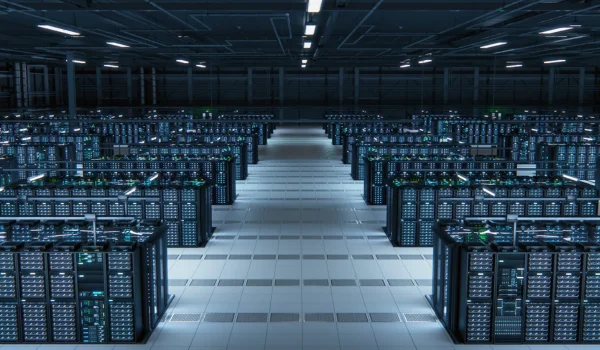
A data center is a secure facility designed to store and operate computer systems that manage digital information.
A typical data center includes:
- Servers
- Storage systems
- Network equipment
- Cooling systems
- Power infrastructure
- Security systems
- Backup systems
Instead of companies managing thousands of computers inside their own offices, many rely on professional data centers for reliable computing power.
Why Texas Is Becoming a Data Center Hub
Texas has several advantages that make it attractive for data center development.
- Large Available Land
Unlike densely populated technology markets, Texas has large areas available for:
- Data center campuses
- Industrial development
- Power infrastructure
This allows companies to build large facilities.
- Strong Energy Resources
Texas has one of the largest energy markets in the country.
Advantages include:
- Natural gas resources
- Renewable energy growth
- Large-scale solar and wind generation
Reliable power is one of the most important requirements for data centers.
- Business-Friendly Environment
Texas attracts technology companies because of:
- Growing business ecosystem
- Skilled workforce
- Large consumer market
- Expanding infrastructure
- Strategic Geographic Location
Texas is centrally located within the United States.
This helps companies serve:
- Southern states
- Western markets
- Central U.S. customers
Major Data Center Locations in Texas
Several Texas cities have become important data center markets.
- Dallas–Fort Worth Data Center Market
The Dallas-Fort Worth (DFW) area is one of the largest data center markets in Texas.
Reasons for growth:
- Strong business economy
- Excellent fiber connectivity
- Large corporate presence
- Growing cloud demand
Industries using DFW data centers include:
- Finance
- Healthcare
- Retail
- Manufacturing
- Technology companies
- Austin Data Centers
Austin is known as a major technology center.
Growth drivers:
- Software companies
- Startups
- AI development
- Cloud services
Austin data centers support:
- Technology businesses
- Research organizations
- Digital services
- Houston Data Centers
Houston has strong demand because of:
- Energy companies
- Healthcare organizations
- Industrial businesses
Data centers support:
- Energy analytics
- Enterprise applications
- Business operations
- San Antonio Data Centers
San Antonio has become an important technology market.
Advantages include:
- Lower operating costs
- Military technology connections
- Expanding digital infrastructure
How Texas Data Centers Work
A data center operates through several important systems.
- Server Infrastructure
Servers perform computing tasks such as:
- Processing information
- Running applications
- Managing databases
Modern facilities may contain thousands of servers.
- Network Infrastructure
High-speed networks connect data centers to:
- Businesses
- Cloud platforms
- Internet users
Important technologies include:
- Fiber optic cables
- High-capacity switches
- Advanced routing systems
- Cooling Systems
Servers generate significant heat.
Texas data centers use advanced cooling methods such as:
- Air cooling
- Liquid cooling
- Energy-efficient cooling systems
Cooling is especially important because Texas experiences high summer temperatures.
- Power Systems
Reliable electricity is essential.
Data centers use:
- Utility power
- Backup generators
- Battery systems
- Renewable energy solutions
- Security Systems
Data centers protect information through:
- Physical security
- Access controls
- Surveillance systems
- Cybersecurity solutions
Types of Data Centers in Texas
- Enterprise Data Centers
Built and operated by large companies for internal use.
Examples:
- Banks
- Healthcare organizations
- Large corporations
- Colocation Data Centers
Businesses rent space inside a professional facility.
Benefits:
- Lower infrastructure costs
- Professional management
- Better reliability
- Cloud Data Centers
Used by cloud providers to deliver online services.
Applications include:
- Cloud storage
- Software platforms
- AI computing
- Edge Data Centers
Smaller facilities located closer to users.
Benefits:
- Faster response times
- Lower latency
- Better performance
Major Data Center Companies Operating in Texas
Texas hosts facilities operated by major technology and infrastructure companies.
Examples include:
Equinix
Provides global data center and interconnection services.
Digital Realty
Operates large-scale data center facilities for enterprises and technology companies.
Microsoft
Uses data centers to support:
- Cloud computing
- Artificial intelligence
- Enterprise services
Uses data infrastructure to support:
- Search services
- Cloud platforms
- AI technologies
Amazon Web Services (AWS)
Provides cloud computing infrastructure used by businesses worldwide.
Meta
Operates large technology infrastructure supporting digital platforms.
Practical Applications of Texas Data Centers
Data centers support many industries across Texas.
- Artificial Intelligence
AI requires massive computing power.
Data centers support:
- Machine learning models
- AI training
- Data processing
Texas is becoming increasingly important for AI infrastructure.
- Healthcare Technology
Healthcare organizations use data centers for:
- Electronic health records
- Medical research
- Telemedicine platforms
- Financial Services
Banks and financial companies rely on data centers for:
- Online banking
- Payment processing
- Fraud detection
- Energy Industry
Texas has one of the largest energy industries in the world.
Data centers support:
- Energy monitoring
- Grid management
- Data analytics
- E-Commerce
Online businesses depend on data centers for:
- Website hosting
- Inventory systems
- Customer data management
Benefits of Data Centers in Texas
Economic Benefits
Data centers contribute to:
- Technology investment
- Construction jobs
- Skilled employment
- Local business growth
Business Benefits
Companies gain:
✔ Reliable computing power
✔ Better security
✔ Faster services
✔ Reduced infrastructure costs
Technology Benefits
Data centers enable:
✔ Cloud computing
✔ Artificial intelligence
✔ Digital innovation
✔ Advanced analytics
Challenges Facing Texas Data Centers
Despite rapid growth, data centers face several challenges.
- High Energy Consumption
Data centers require large amounts of electricity.
Challenges include:
- Power demand growth
- Grid pressure
- Sustainability concerns
Solutions:
- Renewable energy
- Efficient equipment
- Better cooling technology
- Water Usage
Some cooling systems require water.
Texas companies are exploring:
- Water-efficient cooling
- Closed-loop systems
- Alternative cooling methods
- Extreme Weather Risks
Texas faces:
- Heat waves
- Storms
- Power disruptions
Data centers must prepare with:
- Backup power
- Strong infrastructure
- Disaster recovery plans
- Cybersecurity Threats
Data centers must protect against:
- Cyberattacks
- Data breaches
- Unauthorized access
Security requires:
- Encryption
- Monitoring
- Regular testing
- Workforce Requirements
Modern data centers need skilled professionals in:
- IT management
- Networking
- Engineering
- Cybersecurity
Sustainability Trends in Texas Data Centers
Environmental responsibility is becoming a major focus.
Important trends include:
Renewable Energy Integration
Companies are investing in:
- Solar power
- Wind energy
- Clean energy contracts
Energy-Efficient Hardware
Modern servers use:
- Less power
- Better processing technology
Advanced Cooling Technologies
Innovations include:
- Liquid cooling
- AI-based cooling management
- Efficient airflow designs
Data Center Costs and Investment
Building a data center requires major investment.
Costs depend on:
- Facility size
- Power capacity
- Location
- Technology requirements
Large facilities can require:
- Hundreds of millions of dollars
- Extensive infrastructure development
Impact on Texas Communities
Data centers can create positive economic effects.
Benefits include:
- Construction employment
- Technology jobs
- Tax revenue
- Infrastructure improvements
However, communities may also consider:
- Energy demand
- Land use
- Environmental impact
Future of Data Centers in Texas
The future of Texas data centers will be shaped by several trends.
- Artificial Intelligence Growth
AI workloads require powerful computing infrastructure.
Expect:
- Larger facilities
- Advanced processors
- More specialized AI systems
- Expansion of Cloud Computing
Businesses continue moving operations to cloud platforms.
This will increase demand for:
- Storage
- Processing power
- Network capacity
- More Renewable-Powered Facilities
Sustainability will become increasingly important.
Future facilities may use:
- Solar energy
- Wind power
- Battery storage
- Edge Computing Growth
More businesses need faster digital services.
Edge data centers will help reduce delays for:
- Autonomous systems
- Smart cities
- Real-time applications
Expert Tips for Businesses Choosing Texas Data Centers
Businesses should consider:
- Location
Choose locations based on:
- Customer proximity
- Network access
- Disaster risks
- Reliability
Check:
- Power backup systems
- Uptime history
- Security standards
- Scalability
Choose facilities that can grow with future needs.
- Security
Evaluate:
- Physical protection
- Cybersecurity measures
- Compliance standards
Frequently Asked Questions
Why are so many data centers being built in Texas?
Texas offers affordable land, strong energy resources, business growth, and increasing demand for cloud and AI services.
Which Texas city has the most data centers?
Dallas-Fort Worth is one of the largest data center markets in Texas.
Are data centers good for Texas?
Yes. They create jobs, attract technology investment, and support digital services, although they require careful energy and resource management.
How much electricity does a data center use?
Usage varies widely. Large facilities can consume significant amounts of electricity depending on size and computing requirements.
Do data centers create jobs?
Yes. They create construction jobs and long-term positions in IT, engineering, operations, and security.
What is the future of Texas data centers?
Future growth will focus on AI computing, cloud services, renewable energy, edge computing, and advanced cooling technologies.
Final Thoughts
Texas data centers have become a critical part of the state’s technology ecosystem. With strong infrastructure, growing business demand, renewable energy opportunities, and a strategic location, Texas is positioned to remain one of America’s leading data center markets.
As artificial intelligence, cloud computing, and digital services continue expanding, data centers will play an even bigger role in powering businesses, communities, and everyday technology.
The future of Texas technology will depend heavily on building data infrastructure that is fast, secure, sustainable, and capable of supporting the next generation of digital innovation.