Texas is emerging as one of the most important destinations for large-scale data center development in the United States. Fueled by artificial intelligence (AI), cloud computing and growing demand for digital services, companies are planning major facilities across the state. But the investment boom is also creating difficult questions about electricity demand, water availability, household utility costs and the impact on nearby communities.
The scale of the proposed expansion is significant. A June 2026 investigation by The Texas Tribune identified at least 248 planned data center projects in Texas. Meanwhile, state officials have been reviewing an enormous queue of requests from data centers and other large electricity users seeking connections to the state’s power grid. Not every proposed project will be built, but the volume of applications illustrates the pressure facing planners and regulators.
Why Are So Many Data Centers Coming to Texas?
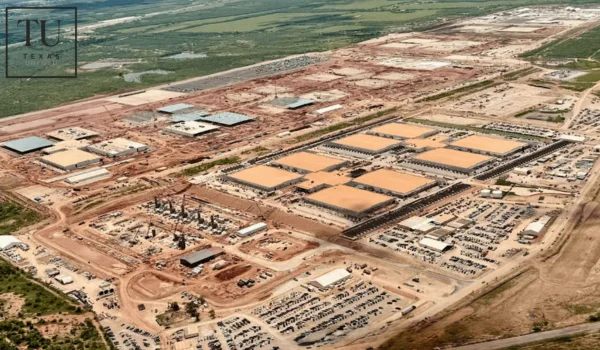
Data centers are facilities that house computer servers, networking equipment and storage systems. They support services such as websites, online banking, video streaming, cloud software and artificial intelligence.
AI has become a major driver of the latest construction wave. Training and operating advanced AI systems can require large amounts of computing power, prompting technology companies to seek facilities with substantial electricity supplies and room for expansion.
Texas offers several attractions for developers, including a large land area, an established energy sector, growing technology infrastructure and access to major business markets.
The Dallas–Fort Worth region has become an important data center market, while developers are also pursuing projects in other parts of the state, including rural areas. However, the availability of land alone does not guarantee that a facility can obtain the power, water, permits and infrastructure needed to operate.
How Much Electricity Could Texas Data Centers Need?
Electricity demand is one of the biggest challenges associated with the expansion.
The Electric Reliability Council of Texas (ERCOT), which manages most of the state’s electric grid, has received an extraordinary volume of requests from large power users. In a September 2026 report, Reuters cited more than 474 gigawatts of requests for Texas grid connections from data centers and other large users, up from approximately 48 gigawatts in 2023.
That figure does not mean Texas has 474 gigawatts of confirmed new demand or that all the proposed facilities will be constructed. Grid requests can include speculative projects, duplicate applications and proposals that lack financing or firm development plans.
Why AI facilities require so much power
Large AI data centers can operate thousands of specialized processors and servers. These machines consume electricity and generate heat, requiring cooling systems to maintain safe operating temperatures.
Their power needs can be much greater than those of smaller, traditional data centers. As a result, a single large facility can create substantial demand for new transmission infrastructure and electricity generation.
If several projects become operational in the same region, utilities and grid planners must determine how to serve them without compromising reliability or shifting unreasonable costs onto other customers.
Will Data Centers Increase Texas Electricity Bills?
There is no single answer for every Texas household.
The effect on residential electricity bills will depend on how new power plants, transmission lines and other grid upgrades are financed, how electricity markets respond to demand, and whether developers pay the costs attributable to their projects.
Residents are concerned that utilities could build infrastructure for proposed facilities that never open, leaving customers to help cover the expense. There is also concern that strong demand could increase competition for available power.
However, data center development does not automatically mean every household’s bill will rise. The actual effect will depend on the project, its electricity arrangements, grid conditions and applicable regulatory rules.
Texas moves to review proposed projects
On August 3, 2026, Gov. Greg Abbott directed the Public Utility Commission of Texas and ERCOT to conduct a comprehensive audit of data center projects moving through the grid connection process.
The review is intended to examine issues including:
- Expected electricity consumption and peak demand.
- Plans for on-site power generation.
- Water sources, projected usage and cooling technology.
- Public subsidies, tax incentives and other financial assistance.
- Measures to reduce noise, light, traffic and other neighborhood impacts.
- Project ownership and controlling interests.
The governor said projects that fail to meet the applicable requirements should not be allowed to connect to the Texas grid. The directive also required the audit to be completed before projects covered by the order could move forward.
The policy reflects a broader effort to distinguish credible projects from speculative requests before major infrastructure decisions are made.
Data Center Jobs: Economic Opportunity or Limited Long-Term Employment?
Developers and supporters argue that data centers can bring significant economic benefits to Texas communities.
Construction and related employment
Building a large data center can require workers and contractors across several fields, including:
- Electrical installation and power infrastructure.
- Construction and site preparation.
- Heating, ventilation and cooling systems.
- Security, networking and specialized equipment.
- Engineering, project management and logistics.
Large developments can also generate business for suppliers, contractors, equipment providers and other local companies.
Permanent jobs may be fewer than expected
The employment picture changes after construction ends.
Once operational, many data centers rely on automated systems and specialized teams to manage servers, facilities, security and maintenance. Their permanent staffing needs may therefore be relatively modest compared with the size and cost of the facilities.
This creates an important distinction for local governments evaluating development proposals: construction employment can be substantial for a limited period, while the number of long-term jobs may be much smaller.
Communities considering tax incentives or other public assistance should examine projected permanent employment, wages, local purchasing and the total public revenue expected from each project.
Water Use Is Another Major Concern
Electricity is not the only resource that data centers need. Depending on their design and cooling technology, some facilities can also consume substantial quantities of water.
Water use varies by facility. Some cooling systems rely more heavily on water, while others use air cooling or closed-loop designs intended to reduce water consumption.
The concern is particularly important in areas facing drought, limited water infrastructure or competing demand from households, agriculture and industry.
A June 2026 Texas Tribune investigation cited an estimate that data centers could account for 3% to 9% of total Texas water use by 2040, compared with less than 1% at the time of the report. This is a projection, not a confirmed future outcome, and actual consumption will depend on how many facilities are built and the technologies they use.
Before approving a major project, communities may need clear answers about its water source, expected annual consumption, drought planning and whether the development would require upgrades to local water infrastructure.
Why Are Some Texas Communities Opposing Data Centers?
Not every community welcomes a large data center nearby.
Residents have raised concerns about electricity reliability, water supplies, industrial noise, construction traffic, lighting, land use and possible pollution from on-site power equipment.
In San Marcos, residents protested a proposed project in February 2026, citing concerns about water use and the local river environment. The episode illustrates how infrastructure projects tied to digital services can become contentious when residents believe they could affect local resources.
Noise, traffic and changes to neighborhoods
Large data center campuses can require extensive construction work and supporting electrical equipment. Cooling systems, backup generators and other machinery may also affect nearby properties, depending on design and operating conditions.
For rural communities, the conversion of open land into industrial development can raise additional concerns about land use and the character of the surrounding area.
Residents often want developers to explain proposed setbacks, sound mitigation, traffic improvements, emergency response arrangements and measures to limit light pollution before construction begins.
Tax Incentives and the Question of Public Benefit
Another debate concerns the financial incentives offered to data center developers.
Supporters say attracting large technology investments can increase tax revenue, support local businesses and strengthen Texas’s position in the digital economy. Critics question whether the public benefits justify tax breaks, particularly when permanent job numbers may be limited or infrastructure costs remain uncertain.
The Texas Tribune reported in April 2026 that data centers were expected to receive billions of dollars in tax breaks under state programs. The overall public benefit depends on the incentives provided, the revenue generated, the jobs created and the infrastructure costs associated with each project.
A careful assessment should compare the full value of promised investment against public costs and enforceable commitments. Local officials and residents may also want to know what happens if a developer fails to complete the project or deliver the promised benefits.
What Happens Next for Texas Data Center Projects?
Texas is moving toward closer scrutiny of proposed data center developments, particularly those seeking large amounts of electricity.
The state’s audit process is intended to provide better information about project ownership, financial commitments, power requirements, water consumption and local impacts. Developers may face additional requirements or delays as regulators determine which proposals are ready to proceed.
At the same time, demand for AI and cloud computing infrastructure continues to create incentives for companies to expand. The key question is whether Texas can accommodate that growth while maintaining reliable electricity service, protecting water resources and ensuring that residents are not unfairly burdened.
The outcome will depend on decisions by state regulators, utilities, developers and local governments, along with the quality of information available to the public.
Conclusion
Texas’s data center boom offers a major opportunity to attract technology investment, construction activity and supporting businesses. But the scale of the proposed expansion also raises legitimate questions about electricity demand, water use, household costs and the long-term value of tax incentives.
The distinction between announced projects and facilities that are financed, approved and connected to the grid is essential. Not every proposal will become operational, and the impact of each facility will depend on its design, resource requirements and local circumstances.
For Texas communities, the challenge is to pursue economic growth while requiring transparency, responsible resource use and a fair allocation of infrastructure costs. The decisions made during this expansion could shape the state’s energy system and local development patterns for years to come.