EV Charging Stations in Texas: A Complete Guide to Electric Vehicle Charging Infrastructure in 2026

Electric vehicles (EVs) are becoming more popular across Texas as drivers look for cleaner transportation, lower fuel costs, and advanced automotive technology. From major cities like Austin, Dallas, Houston, San Antonio, and Fort Worth to smaller communities along interstate highways, the state’s EV charging network continues to grow rapidly.
Texas is investing in charging infrastructure through public and private partnerships, making it easier for residents, commuters, businesses, and travelers to own and operate electric vehicles. Whether you drive a battery electric vehicle (BEV) or a plug-in hybrid electric vehicle (PHEV), finding a reliable charging station is becoming more convenient than ever.
This guide explains everything you need to know about EV charging stations in Texas, including charging levels, infrastructure, technology trends, major charging companies, costs, benefits, challenges, and the future of electric mobility in the Lone Star State.
Why EV Charging Infrastructure Matters in Texas
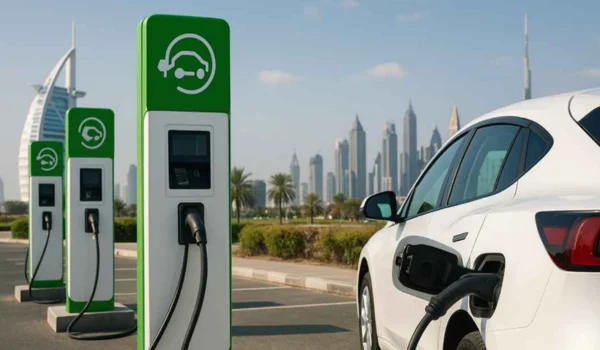
Texas is one of the largest states in America, with thousands of miles of highways connecting major metropolitan areas and rural communities. Reliable charging infrastructure is essential for supporting long-distance travel and daily commuting.
A well-developed charging network helps:
- Reduce range anxiety
- Support cleaner transportation
- Encourage EV adoption
- Boost tourism and interstate travel
- Create new business opportunities
- Improve energy efficiency
- Strengthen Texas’ transportation infrastructure
As EV ownership grows, charging stations are becoming as important as traditional gas stations.
Growth of Electric Vehicles in Texas
Texas has seen steady growth in electric vehicle registrations over the past several years. Several factors are driving this expansion:
- Lower operating costs
- Rising fuel prices
- More affordable EV models
- Longer driving ranges
- Expansion of public charging stations
- Corporate sustainability initiatives
- Government infrastructure investments
- Consumer interest in cleaner transportation
The increasing number of EVs has encouraged businesses, shopping centers, hotels, workplaces, and local governments to install charging stations.
Types of EV Charging Stations
Understanding the different charging levels helps drivers choose the right option.
Level 1 Charging
Level 1 charging uses a standard 120-volt household outlet.
Best for:
- Overnight home charging
- Plug-in hybrid vehicles
- Drivers with short daily commutes
Advantages:
- No special equipment required
- Low installation cost
- Convenient for home use
Limitations:
- Slow charging speed
- Not practical for long-distance travel
Level 2 Charging
Level 2 chargers use a 240-volt power supply and are common at homes, workplaces, hotels, and public parking areas.
Best for:
- Daily charging
- Residential garages
- Office buildings
- Apartment complexes
- Public parking
Typical charging time ranges from four to ten hours, depending on the vehicle and charger.
DC Fast Charging
DC Fast Chargers provide the quickest charging experience.
Ideal for:
- Highway travel
- Commercial fleets
- Road trips
- Urban charging hubs
Many modern EVs can recharge a significant portion of their battery in approximately 20 to 45 minutes, depending on vehicle compatibility and charging conditions.
Where to Find EV Charging Stations in Texas
Charging stations are available in many locations throughout Texas, including:
- Shopping malls
- Grocery stores
- Hotels
- Restaurants
- Office buildings
- Airports
- Public parking garages
- Universities
- Hospitals
- Highway rest areas
- Entertainment venues
- Apartment communities
Major interstate highways continue expanding fast-charging access for long-distance travelers.
Home EV Charging in Texas
Many EV owners prefer charging at home because it offers convenience and lower electricity costs.
Benefits include:
- Charge overnight
- No waiting in line
- Lower operating costs
- Daily convenience
- Better battery management
- Increased home value in some markets
Installing a Level 2 charger is one of the most popular upgrades for EV owners.
Workplace Charging
Many Texas employers now provide EV charging for employees.
Benefits include:
- Employee convenience
- Sustainability goals
- Reduced commuting emissions
- Workplace recruitment benefits
- Increased employee satisfaction
Companies continue adding chargers as electric vehicle ownership grows.
Public Fast Charging Networks
Texas has an expanding network of public fast chargers serving urban areas and highway corridors.
These stations support:
- Interstate travel
- Business trips
- Tourism
- Commercial transportation
- Ride-share drivers
- Delivery services
Fast chargers reduce travel delays by allowing drivers to recharge during short breaks.
Leading EV Charging Companies in Texas
Several companies are expanding charging infrastructure across the state.
Major providers include:
- Tesla Supercharger Network
- Electrify America
- ChargePoint
- EVgo
- Blink Charging
- FLO
- Francis Energy
Utility companies, local governments, retailers, and private businesses also continue investing in charging infrastructure.
Charging Connectors and Compatibility
Modern EV charging stations support various connector standards.
Common connector types include:
- J1772
- CCS (Combined Charging System)
- NACS (North American Charging Standard)
Many newer vehicle manufacturers are adopting the North American Charging Standard, increasing compatibility across charging networks.
Smart Charging Technology
Modern charging stations are much more advanced than early EV chargers.
Smart charging features include:
- Mobile app control
- Real-time charger availability
- Remote monitoring
- Digital payments
- Charging schedules
- Energy management
- Usage reports
- Automatic software updates
These features make charging more convenient for drivers and operators.
Technology Trends Shaping EV Charging in Texas
Ultra-Fast Charging
New high-power chargers significantly reduce charging times, making EV travel more practical for long-distance drivers.
AI-Powered Network Management
Artificial intelligence helps charging operators:
- Predict demand
- Optimize energy distribution
- Monitor equipment health
- Reduce downtime
- Improve customer experience
AI also supports predictive maintenance, allowing providers to fix issues before they affect users.
Renewable Energy Integration
Many charging locations are integrating renewable energy sources such as solar power with battery storage systems.
Benefits include:
- Reduced grid demand
- Lower emissions
- Improved energy resilience
- Better sustainability
Battery Storage Systems
Large battery systems help:
- Balance electricity demand
- Reduce peak energy costs
- Improve charging reliability
- Support grid stability
Battery storage is becoming increasingly important as EV adoption grows.
Vehicle-to-Grid (V2G) Technology
Emerging Vehicle-to-Grid technology allows compatible electric vehicles to return electricity to the power grid when needed.
Potential benefits include:
- Grid support
- Emergency backup power
- Improved energy efficiency
- Additional revenue opportunities for vehicle owners in future programs
Although still developing, V2G has significant long-term potential.
EV Charging Infrastructure in Urban Texas
Major metropolitan areas continue leading EV infrastructure expansion.
Cities such as:
- Austin
- Dallas
- Houston
- San Antonio
- Fort Worth
- Plano
- Irving
- Frisco
have thousands of charging opportunities across public and private locations.
Urban charging supports:
- Daily commuting
- Ride-sharing
- Business fleets
- Apartment residents
- Visitors
Rural Charging Expansion
Texas also continues expanding charging access in rural communities.
Improved highway charging helps:
- Long-distance travelers
- Tourism
- Agriculture businesses
- Rural residents
- Commercial transportation
Federal and state infrastructure investments continue extending charging coverage beyond urban centers.
EV Charging Costs in Texas
Charging costs vary depending on several factors:
- Charging level
- Electricity rates
- Charging provider
- Time of day
- Membership discounts
- Vehicle battery size
Home charging is often less expensive than public fast charging, while DC fast charging provides added convenience for travel.
Benefits of EV Charging Expansion
A larger charging network provides numerous advantages.
For Drivers
- Easier road trips
- Reduced range anxiety
- Lower fuel costs
- Greater convenience
For Businesses
- Increased customer visits
- New revenue opportunities
- Sustainability leadership
- Enhanced property value
For Communities
- Cleaner transportation
- Economic development
- Job creation
- Support for tourism
Challenges Facing EV Charging Infrastructure
Despite rapid progress, several challenges remain.
High Installation Costs
Fast-charging equipment requires significant investment.
Grid Capacity
Growing EV adoption increases electricity demand.
Utilities continue upgrading infrastructure to meet future needs.
Rural Coverage
Some rural regions still have fewer charging options than urban areas.
Expansion efforts continue addressing these gaps.
Equipment Maintenance
Charging stations require regular maintenance to ensure reliability and minimize downtime.
Peak Demand
Holiday travel and busy weekends can increase charger usage, making smart energy management and additional charging locations increasingly important.
Future of EV Charging Stations in Texas
Texas is expected to remain one of the nation’s fastest-growing EV markets.
Future developments may include:
- More ultra-fast charging stations
- Expanded highway charging corridors
- Greater adoption of the North American Charging Standard
- AI-powered charging optimization
- Wireless charging research
- Vehicle-to-grid integration
- Solar-powered charging hubs
- Battery energy storage expansion
- Increased fleet electrification
- Smart city transportation systems
Continued public and private investment will make EV ownership more practical for drivers across the state.
Tips for Using EV Charging Stations
To make charging more efficient:
- Plan longer trips in advance.
- Use charging apps to locate available stations.
- Charge during off-peak hours when possible.
- Keep your vehicle software updated.
- Carry the appropriate charging adapters if needed.
- Avoid letting the battery reach very low levels during long trips.
- Follow charging station etiquette by moving your vehicle once charging is complete.
Frequently Asked Questions
How many EV charging stations are available in Texas?
Texas has thousands of public charging ports across cities, suburbs, and highway corridors, and the network continues to expand each year.
What is the fastest type of EV charger?
DC Fast Charging is the fastest widely available option, with many vehicles able to recharge a large portion of their battery in about 20 to 45 minutes under favorable conditions.
Is home charging better than public charging?
For everyday use, home charging is often the most convenient and cost-effective. Public fast charging is especially useful for road trips and drivers without access to home charging.
Can all electric cars use every charging station?
Not always. Compatibility depends on the vehicle’s charging connector and the station’s supported standards. Many public stations offer multiple connector types, and industry adoption of the North American Charging Standard is increasing compatibility.
Is Texas expanding its EV charging network?
Yes. Utilities, private companies, local governments, and infrastructure programs continue investing in new charging stations across both urban and rural areas.
Conclusion
The growth of EV charging stations in Texas is transforming transportation across the state. With expanding fast-charging corridors, improved home and workplace charging options, smart charging technologies, and ongoing investments in energy infrastructure, owning an electric vehicle is becoming more practical than ever. While challenges such as grid upgrades and rural coverage remain, innovation in charging technology, battery storage, and intelligent energy management is helping build a more reliable and accessible network. As Texas continues to strengthen its position as a leader in energy, technology, and transportation, EV charging infrastructure will play a vital role in supporting cleaner mobility, economic growth, and the future of sustainable travel.