Texas Attorney General Ken Paxton has filed a lawsuit against OpenAI and its CEO, Sam Altman, accusing the artificial intelligence company of misleading consumers about ChatGPT’s safety, accuracy and reliability. The lawsuit, filed on October 23, 2026, in Collin County district court, argues that inadequate safeguards have exposed Texans, including children, to potential harm.
The case marks another major legal challenge for a leading AI company as state officials increasingly scrutinize how technology platforms protect younger users, disclose risks and respond to harmful content. Paxton is pursuing the case under Texas consumer protection law, alleging that OpenAI marketed its products as safe and trustworthy without adequately addressing the risks associated with their use.
The lawsuit does not establish that OpenAI has violated the law. The allegations must be tested through legal proceedings, and the court will determine whether the company is liable.
Key Details of the Lawsuit
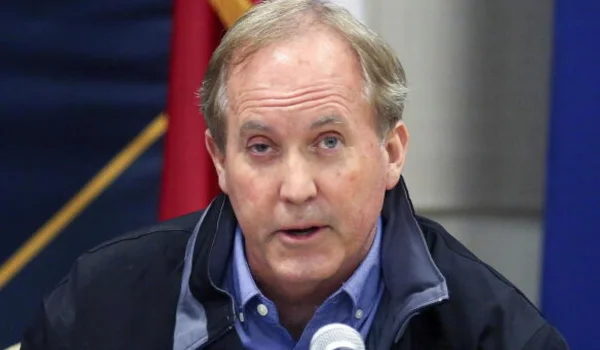
| Plaintiff | State of Texas, through Attorney General Ken Paxton |
| Defendants | OpenAI and CEO Sam Altman, among the named defendants |
| Filing date | October 23, 2026 |
| Court | Collin County district court, Texas |
| Main legal basis | Texas Deceptive Trade Practices–Consumer Protection Act |
| Main concerns | AI safety, misleading claims, risks to children, and consumer protection |
| Requested remedies | Restrictions on access by minors and independent review of new AI models, among other measures |
Sources: Texas Attorney General’s Office and The Texas Tribune.
Why Is Texas Taking Legal Action Against OpenAI?
Paxton alleges that OpenAI presented ChatGPT as a safe, reliable and trustworthy product while failing to adequately disclose or address risks associated with AI-generated responses.
According to the attorney general’s office, large language models can generate incorrect, misleading or potentially harmful information. The lawsuit argues that users may place too much trust in such responses, particularly when seeking guidance on sensitive issues or making important decisions.
The state’s allegations include claims that inadequate safeguards have contributed to dangerous behavior, encouraged vulnerable people toward self-harm, damaged professional reputations and weakened users’ ability to think critically. The complaint also raises concerns about the potential for minors to develop unhealthy attachments to conversational AI systems.
These are claims made by the state, not judicial findings. The lawsuit seeks to establish whether OpenAI’s conduct violated applicable consumer protection laws.
What Does the Lawsuit Say About Children and Teenagers?
The protection of children is one of the central issues in the case.
Paxton argues that AI chatbots can create the impression of a personal relationship through conversational responses that appear empathetic or supportive. According to the complaint, this design may encourage vulnerable users to rely heavily on the technology without fully understanding its limitations.
The state also questions whether existing safeguards sufficiently protect minors from inappropriate interactions, harmful advice and excessive use.
The lawsuit seeks significant restrictions, including blocking minors from accessing ChatGPT under the requested court order. It also seeks independent oversight of new AI models before their release in Texas, according to reporting by The Texas Tribune.
The legal dispute raises a broader policy question: how should companies balance access to useful AI tools with age-appropriate protections, privacy safeguards and controls against harmful content?
What Restrictions Does Texas Want the Court to Impose?
The state’s requested remedies could have implications beyond financial penalties.
According to reporting on the complaint, Paxton is seeking a broad injunction that would require OpenAI to change aspects of how it offers its products in Texas.
The requested measures reportedly include:
- Restrictions on minors: Preventing children and teenagers from accessing the product under the proposed court order.
- Independent model review: Requiring a court-appointed evaluator to approve new AI models before they are released.
- Consumer protection measures: Addressing allegedly misleading representations about ChatGPT’s safety, accuracy and reliability.
- Accountability for alleged violations: Seeking legal remedies under Texas consumer protection statutes.
These are requested measures, not restrictions that have already been imposed. Any final order would depend on the court’s rulings and the outcome of the litigation.
How Does This Case Fit Into Texas’s Broader Technology Crackdown?
The lawsuit is part of a wider campaign by the Texas attorney general’s office to hold technology companies accountable for alleged consumer harms and insufficient protections for children.
Over the past year, Paxton has pursued legal action against several major digital platforms, including Meta, TikTok, Snapchat and Roblox. Those cases have included allegations concerning children’s online safety, data practices and consumer protection.
Texas has also increasingly used state consumer protection laws to challenge the business practices of large technology companies. The current OpenAI case extends that approach into the fast-growing AI sector.
The dispute is significant because AI chatbots differ from conventional social media platforms. Rather than primarily displaying content created by other users, chatbots generate responses dynamically based on user prompts and the underlying model. This raises distinct questions about product reliability, user reliance, safeguards and the responsibilities of AI developers.
The case could help clarify how existing consumer protection laws apply to companies developing and marketing generative AI products.
Why Is Sam Altman Named in the Lawsuit?
The lawsuit names OpenAI and Sam Altman, the company’s CEO, as defendants. The complaint’s allegations concern the company’s AI products and the way their safety and reliability have allegedly been represented to consumers.
The legal responsibility of each defendant will depend on the claims brought against them and the evidence presented in court. Being named in a lawsuit does not, by itself, establish personal wrongdoing or liability.
OpenAI’s role in developing and deploying ChatGPT places its product safety practices at the centre of the dispute. The court will need to assess the applicable legal standards and the evidence supporting the state’s allegations.
What Has OpenAI Said?
At the time of the initial reporting on October 23, OpenAI had not immediately responded to a request for comment from The Texas Tribune.
In a separate report, an OpenAI spokesperson said the company had worked with experts to improve ChatGPT, mitigate risks and add safeguards. The spokesperson also expressed support for governments establishing robust AI safety standards that apply across the industry.
The company’s full response to the specific allegations in the Texas complaint remains important to understanding how it intends to defend its practices. The state’s allegations should not be treated as an established account of the company’s conduct.
What Happens Next in the Legal Case?
The lawsuit will proceed through the Texas court system. The parties may dispute the legal basis for the claims, challenge evidence, request court rulings and potentially pursue settlement discussions.
Several issues could prove important as the case develops:
- Whether OpenAI’s statements about ChatGPT constitute misleading representations under Texas law.
- Whether the company provided adequate safeguards and disclosures, particularly for minors.
- Whether the state can establish a legal connection between the alleged conduct and the harms it describes.
- Whether the court has grounds to impose the extensive restrictions requested by the attorney general.
Any court-ordered changes could affect how AI services are made available in Texas. However, the lawsuit’s filing alone does not mean ChatGPT access has been suspended or that the requested restrictions are already in effect.
Conclusion
Texas Attorney General Ken Paxton’s lawsuit against OpenAI and Sam Altman represents a significant escalation in the debate over AI safety, consumer protection and children’s online welfare. The state argues that ChatGPT has been marketed as safer and more reliable than its actual performance warrants, and it is seeking extensive changes to the company’s practices.
OpenAI’s defence, the evidence presented and the court’s interpretation of Texas law will determine the outcome. For now, the case remains an active legal dispute rather than a finding that the company has broken the law.
The broader issue extends beyond one company: policymakers and courts are increasingly being asked to determine what responsibilities AI developers owe their users as conversational technology becomes more widely adopted.