You’ve been injured in a car accident. The medical bills are piling up, your car is in the shop, and you’re ready to file a claim with the at-fault driver’s insurance company. But then, the insurance adjuster drops a bombshell: they claim you were partially responsible for the crash.
Maybe they say you were driving a few miles over the speed limit, your brake lights weren’t working, or you should have seen the hazard coming. Suddenly, you’re left wondering: Does this mean I can’t get compensated? Will my claim be completely denied?
The short answer is no. Texas law is designed to protect injured victims, even when they aren’t perfectly flawless drivers. However, shared fault does impact the final value of your settlement. Understanding how the state’s modified comparative fault rule works is the single most important thing you can do to protect your financial recovery after a crash.
Here is a plain-English breakdown of how shared fault impacts car accident claims in Texas, and what you need to know to keep insurance companies from taking advantage of you.
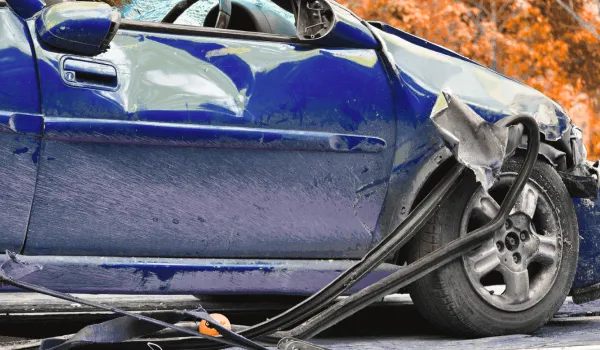
What Is the Modified Comparative Fault Rule in Texas?
In the legal world, “comparative fault” (also known as comparative negligence) is the system used to determine how much each party is to blame for an accident. Not all states handle this the same way. Some states bar you from recovering any money if you are even 1% at fault. Fortunately, Texas is not one of those states.
Texas follows a modified comparative fault rule, specifically outlined in the Texas Civil Practice and Remedies Code § 33.001. Under this law, you can recover compensation for your injuries as long as your percentage of responsibility is 50% or less.
This is commonly referred to as the 51% Bar Rule. If a judge or jury finds you 51% or more responsible for the crash, you can’t recover any damages. But if you are 50% or less at fault, you can still collect a settlement—the amount will simply be reduced by your exact percentage of fault.
The Math Behind Your Settlement: How Fault Reduces Your Payout
The best way to understand the 51% bar rule is to see how the math works in a real-world scenario. Imagine you are involved in a severe car accident on I-35 in Austin. You suffer a broken wrist and whiplash, resulting in medical bills, lost wages, and vehicle damage totaling $100,000.
During the investigation, the insurance company argues that while the other driver ran a red light, you were momentarily distracted and didn’t brake as quickly as you could have. The evidence supports a finding that you are 20% at fault and the other driver is 80% at fault.
Because your fault is well below the 51% threshold, your claim is still valid. However, your total compensation will be reduced by your 20% share of the blame.
- Total Damages: $100,000
- Your Fault: 20% ($20,000 reduction)
- Your Final Settlement: $80,000
Now, consider a different scenario. What if the investigation concludes that you were texting while driving and speeding, making you 51% at fault for the collision? Under Texas law, your recovery drops to $0. You cannot collect a dime, regardless of how severe your injuries are. This steep drop-off at the 51% mark is exactly why insurance adjusters fight so aggressively to assign even a fraction of extra blame to the injured victim.
Common Scenarios Where Shared Fault Is Disputed
Insurance companies rarely admit their driver was 100% to blame if there is any plausible argument otherwise. Here are the most common car accident scenarios in Texas where shared fault is frequently disputed:
-
Rear-End Collisions
While the driver who hits the car in front is usually presumed at fault, the insurance company may try to shift blame if the lead driver suddenly slammed on their brakes without cause, had malfunctioning brake lights, or reversed unexpectedly.
-
Left-Turn Accidents
A driver making a left turn generally must yield to oncoming traffic. However, if the oncoming driver was speeding significantly, ran a red light, or was driving under the influence, the left-turning driver’s attorney can argue that the oncoming driver’s negligence was the primary cause of the crash, reducing the left-turning driver’s share of fault.
-
Distracted Driving Claims
If you were looking at your GPS or adjusting the radio at the moment of impact, the opposing insurance company will immediately seize on that detail. They will argue that your distraction prevented you from avoiding the accident, attempting to inflate your fault percentage to protect their bottom line.
How Insurance Adjusters Weaponize Shared Fault
An insurance adjuster’s primary job is not to be fair; it is to minimize the payout for their company. Texas’ comparative fault laws give them a powerful tool to do exactly that.
Adjusters are trained to find any detail they can twist into “contributory negligence.” They scrutinize your medical history, driving record, and statement about the accident. If they can push your assigned fault from 40% to 51%, they eliminate their financial liability entirely.
As the legal team at Anderson Law Firm notes: “Insurance companies use the 51% bar rule as a weapon to devalue legitimate claims. We consistently see adjusters exaggerate a victim’s minor mistakes to shift the majority of the blame. The only way to defeat this tactic is with immediate, independent evidence that clearly establishes the other driver’s primary negligence.”
This is why you must be incredibly careful when speaking with the other driver’s insurance company. They may call you shortly after the accident, sounding friendly and sympathetic, and ask for a “recorded statement just to get the facts straight.”
Do not give a recorded statement without legal advice. Anything you say can be taken out of context. For example, saying “I’m sorry, I didn’t see you” can be weaponized by an adjuster as an admission of negligence, even if you were simply being polite or were momentarily blinded by the sun.
How to Protect Your Claim When Fault Is Disputed
If you suspect the insurance company is trying to unfairly pin blame on you, take these proactive steps to protect your rights:
- Do Not Admit Fault at the Scene: Even if you think you made a mistake, don’t apologize or admit liability to the other driver or responding police officers. Stick to the objective facts.
- Gather Evidence Immediately: Take photos of the accident scene, vehicle damage, skid marks, and traffic signals. If there are witnesses, get their contact information. Dashcam footage is also invaluable in disproving false claims of shared fault.
- Seek Medical Attention Promptly: Delaying medical care can let adjusters argue your injuries weren’t caused by the accident or that you failed to “mitigate your damages,” another form of shared fault.
- Consult a Texas Personal Injury Attorney: This is the most critical step. As the experienced legal team at Zehl & Associates often emphasizes, insurance companies will use minor details to push your fault past the 51% threshold. A dedicated attorney knows how to push back against inflated fault assessments by hiring accident reconstruction experts, subpoenaing traffic camera footage, and handling negotiations to keep you from being unfairly penalized.
As we’ve explored in our guide on whether a car accident lawyer is worth it, having professional representation levels the playing field against aggressive insurance tactics. Most Texas personal injury attorneys work on a contingency fee basis, meaning you pay nothing upfront and they only get paid if they win your case.
The Bottom Line: Don’t Let Blame-Shifting Deny You Justice
A car accident is stressful enough without having to defend yourself against baseless accusations of shared fault. Texas law reduces your settlement if you are partially at fault, but it doesn’t bar you from recovery unless you are the primary cause of the crash.
Do not let an insurance adjuster’s initial fault assessment be the final word. If you have been injured in a collision and the other party is trying to shift the blame, it is time to seek professional legal guidance.