Rural Property Buying Guide in Texas (2026): Complete Guide to Buying Country Homes, Ranches & Acreage

Texas is famous for its wide-open spaces, scenic countryside, working ranches, and affordable rural land. Whether you’re looking for a peaceful retirement home, a family homestead, farmland, hunting property, or a long-term real estate investment, buying rural property in Texas offers opportunities that are difficult to find elsewhere in the United States.
However, purchasing rural property is very different from buying a home in a city or suburb. Buyers need to consider road access, water availability, septic systems, utilities, zoning, property taxes, agricultural exemptions, mineral rights, and future development before making a purchase.
This comprehensive guide explains everything you need to know about buying rural property in Texas, including financing, taxes, legal requirements, neighborhoods, market trends, and practical advice for homeowners and investors.
Why Buy Rural Property in Texas?
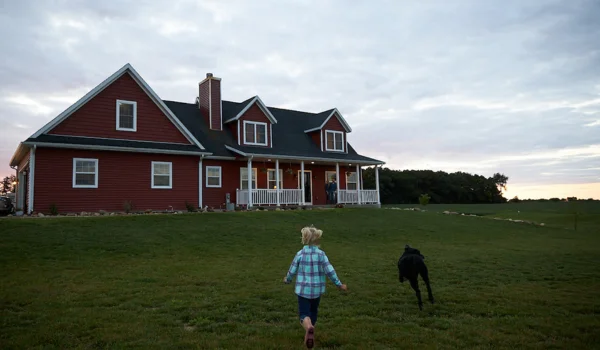
Texas has millions of acres of rural land suitable for residential living, agriculture, recreation, and investment.
Some of the biggest reasons people choose rural property include:
- Greater privacy
- Larger lots and acreage
- Lower population density
- Opportunities for farming and ranching
- Hunting and outdoor recreation
- Potential long-term appreciation
- Space for custom homes
- Lower competition than many urban markets
- Peaceful lifestyle
Many buyers are also attracted by the flexibility to own land for multiple purposes, such as raising livestock, gardening, or creating a weekend retreat.
Types of Rural Properties
Texas offers a wide variety of rural real estate.
Country Homes
Country homes provide rural living while offering many of the comforts of suburban housing.
Ideal for:
- Families
- Retirees
- Remote workers
- Hobby farmers
Ranch Properties
Texas ranches range from small hobby ranches to large working operations.
Common uses include:
- Cattle ranching
- Horse breeding
- Livestock
- Hay production
- Recreation
Agricultural Land
Agricultural property may be used for:
- Crop farming
- Orchards
- Livestock grazing
- Poultry
- Timber production
Some qualifying agricultural properties may receive special property tax valuation under Texas law.
Recreational Property
Popular for:
- Hunting
- Fishing
- Camping
- Wildlife viewing
- ATV riding
- Family retreats
Vacant Land
Many buyers purchase undeveloped land to:
- Build a custom home
- Hold as an investment
- Develop in the future
- Start agricultural operations
Best Rural Areas in Texas
Texas Hill Country
The Hill Country remains one of the most desirable rural regions.
Popular communities include:
- Fredericksburg
- Kerrville
- Johnson City
- Blanco
- Marble Falls
- Llano
The area is known for rolling hills, wineries, rivers, and scenic beauty.
East Texas
East Texas offers:
- Forests
- Lakes
- Timberland
- Recreational property
- Affordable acreage
Popular counties include Smith, Cherokee, Henderson, and Wood.
Central Texas
Communities surrounding Temple, Belton, Gatesville, and Lampasas continue to attract buyers seeking rural lifestyles with access to growing cities.
North Texas
Areas north of the Dallas–Fort Worth Metroplex offer:
- Horse properties
- Hobby farms
- Expanding communities
- Investment opportunities
Popular counties include Wise, Cooke, Grayson, and Montague.
South Texas
South Texas is well known for:
- Large ranches
- Wildlife habitat
- Hunting opportunities
- Agricultural production
West Texas
West Texas offers:
- Large acreage
- Ranching
- Outdoor recreation
- Open landscapes
- Renewable energy development in some areas
Land prices and infrastructure vary significantly by location.
Current Rural Real Estate Market Trends (2026)
Several factors continue to shape rural real estate across Texas:
- Population growth
- Increased interest in country living
- Expansion of remote work
- Continued suburban development
- Rising demand for recreational land
- Interest in sustainable living
- Infrastructure improvements in some rural areas
Demand varies by region, so local market research is essential before purchasing.
How Much Does Rural Property Cost?
Prices vary based on:
- Location
- Acreage
- Road access
- Water availability
- Utilities
- Improvements
- Topography
- Hunting potential
- Agricultural productivity
- Nearby development
Properties located near rapidly growing metropolitan areas often command higher prices than those in more remote regions.
Financing Rural Property
Financing rural land may differ from financing a traditional suburban home.
Common financing options include:
- Conventional mortgages (for homes)
- Land loans
- Farm and ranch loans
- USDA loan programs (for eligible properties and borrowers)
- Credit unions
- Seller financing (when available)
- Cash purchases
Loan requirements vary depending on the property type and lender.
Eligibility for Rural Property Loans
Lenders typically evaluate:
- Credit score
- Income
- Employment
- Down payment
- Debt-to-income ratio
- Property condition
- Intended use
Vacant land and agricultural properties may require larger down payments than improved residential properties.
Documents Needed
Buyers generally need:
- Government-issued photo ID
- Proof of income
- Tax returns
- Pay stubs
- Bank statements
- Employment verification
- Purchase agreement
- Financing documents
Additional documents may be required for agricultural financing.
Buying Rural Property Step-by-Step
Step 1: Define Your Goals
Determine whether the property will be used for:
- Primary residence
- Ranching
- Farming
- Recreation
- Investment
- Retirement
Step 2: Establish Your Budget
Include:
- Purchase price
- Closing costs
- Property taxes
- Insurance
- Utilities
- Maintenance
- Fencing
- Equipment
- Road improvements
Step 3: Research the Property
Evaluate:
- Utilities
- Water source
- Internet availability
- Road access
- Flood risks
- Easements
- Property boundaries
- Mineral rights
- Deed restrictions
Step 4: Obtain Financing
Compare multiple lenders before selecting a loan.
Step 5: Complete Due Diligence
Before closing:
- Order a survey.
- Review the title commitment.
- Inspect improvements.
- Verify legal access.
- Check utility availability.
- Evaluate soil and drainage if development is planned.
Step 6: Closing
Ownership transfers after documents are signed and funds are distributed.
Selling Rural Property
To improve marketability:
- Obtain a current survey.
- Highlight acreage and improvements.
- Document water sources.
- Provide agricultural information.
- Showcase recreational opportunities.
- Price based on comparable rural sales.
Professional photography and drone imagery can effectively showcase large tracts of land.
Renting Rural Property
Some owners lease rural property for:
- Grazing
- Farming
- Hunting
- Recreational use
- Residential occupancy
Lease terms should clearly define permitted uses, maintenance responsibilities, and payment obligations.
Property Taxes
Texas does not have a state income tax, but rural property owners are responsible for local property taxes.
Tax obligations depend on:
- County
- Property value
- Land classification
- School district
- Special taxing districts
Certain agricultural, timber, or wildlife management properties may qualify for special valuation if statutory requirements are met. Buyers should verify the current tax status and understand how changes in ownership or land use may affect future taxes.
Utilities and Infrastructure
Unlike urban properties, rural homes may not have access to municipal utilities.
Verify the availability of:
- Electricity
- Water wells
- Rural water systems
- Septic systems
- Internet service
- Cellular coverage
- Natural gas or propane
Installing or upgrading utilities can significantly increase ownership costs.
Water Rights and Mineral Rights
Some rural properties involve separate ownership of water or mineral rights.
Before purchasing:
- Review title documents.
- Understand which rights transfer with the property.
- Consult qualified professionals if rights ownership is unclear.
These issues can affect the property’s long-term value and permitted uses.
Legal Requirements
Important legal considerations include:
- Title search
- Property survey
- Easements
- Boundary verification
- Floodplain review
- Deed restrictions
- Environmental concerns
- Access rights
Professional legal advice may be appropriate for complex rural transactions.
Neighborhood and Community Factors
Even rural buyers should evaluate nearby:
- Schools
- Hospitals
- Grocery stores
- Emergency services
- Highway access
- Employment centers
- Community growth
- Planned infrastructure
Convenient access to essential services can improve long-term property value and quality of life.
Practical Tips for Homebuyers
- Visit the property several times.
- Walk the property boundaries.
- Confirm legal road access.
- Test internet availability.
- Budget for fencing and maintenance.
- Understand water and septic systems.
- Hire a professional surveyor.
- Review local zoning and land-use regulations.
Practical Tips for Investors
Investors should analyze:
- Population growth
- Future development
- Highway expansion
- Agricultural demand
- Recreational demand
- Rental opportunities
- Property taxes
- Insurance costs
- Long-term appreciation potential
Choose investments based on solid fundamentals rather than speculation.
Common Mistakes to Avoid
Many rural buyers make avoidable mistakes, including:
- Failing to verify legal access.
- Ignoring utility availability.
- Not ordering a survey.
- Overlooking flood risks.
- Assuming mineral rights transfer automatically.
- Underestimating maintenance costs.
- Buying solely based on acreage instead of overall suitability.
Proper due diligence helps reduce unexpected expenses and legal issues.
Frequently Asked Questions
Is buying rural property in Texas a good investment?
It can be, particularly in areas experiencing population growth, infrastructure improvements, or increasing recreational and agricultural demand. Investment success depends on location, intended use, and long-term market conditions.
Can I finance rural land?
Yes. Banks, credit unions, farm lenders, and specialized institutions offer financing for rural homes and land, although terms may differ from standard residential mortgages.
Are property taxes lower on rural property?
Property taxes vary by county, appraised value, and land classification. Certain qualifying agricultural, timber, or wildlife management properties may receive special valuation under Texas law.
Should I get a survey?
Yes. A professional survey is strongly recommended to verify boundaries, easements, acreage, and access rights before purchasing.
Can I build a home on rural land?
Possibly, but you should first verify zoning, deed restrictions, utility availability, septic requirements, floodplain status, and local building regulations.
What should I check before buying?
Review the title, survey, legal access, utilities, water source, property taxes, flood risks, easements, and any restrictions that may affect your intended use of the property.
Final Thoughts
Buying rural property in Texas offers the opportunity to enjoy privacy, open space, and long-term investment potential, whether you’re searching for a country home, working ranch, recreational retreat, or agricultural land. However, rural real estate requires more extensive due diligence than a typical suburban home purchase. Factors such as road access, utilities, water availability, septic systems, surveys, property taxes, mineral rights, and zoning can all have a significant impact on the property’s value and usability.
Before making a purchase, clearly define your goals, compare financing options, research local market trends, and work with experienced real estate professionals who specialize in rural properties. By carefully evaluating both the land and the surrounding community, you can make a well-informed decision and enjoy the many benefits of rural living while protecting your investment for years to come.