Texas barbecue is more than just food—it’s a tradition deeply rooted in the state’s history, culture, and community. Known for slow-smoked meats, simple seasonings, and wood-fired cooking, Texas BBQ has earned worldwide recognition as one of America’s greatest culinary traditions. While many people think Texas barbecue is simply smoked brisket, the truth is that the state has four distinct regional barbecue styles, each with its own techniques, flavors, and signature meats.
From the famous brisket of Central Texas to the sweet, saucy flavors of East Texas and the smoky barbacoa traditions of South Texas, every region offers a unique barbecue experience.
This complete guide explains the Texas BBQ styles, including their history, ingredients, regional specialties, where to try them, preparation techniques, nutritional information, and frequently asked questions.
The History of Texas Barbecue
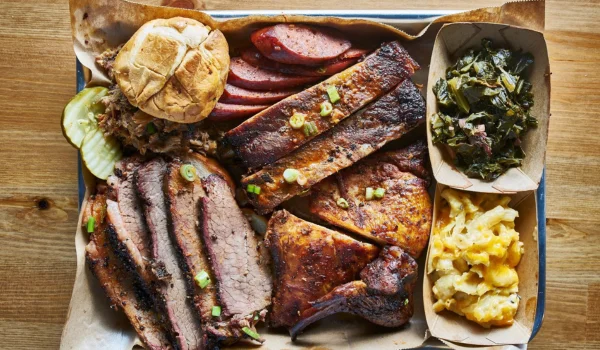
Texas barbecue began in the mid-1800s when German and Czech immigrants settled across Central Texas. Local butcher shops started smoking beef using post oak wood to preserve meat before refrigeration became common.
At the same time, Mexican ranching traditions influenced barbecue in South Texas, while Southern cooking shaped East Texas recipes. Ranchers, cowboys, and immigrant communities each contributed techniques that eventually created the diverse barbecue culture Texas is famous for today.
Today, Texas barbecue is celebrated through food festivals, family-owned smokehouses, and nationally recognized pitmasters who continue to honor traditional methods while introducing modern innovations.
What Makes Texas BBQ Unique?
Unlike many other barbecue traditions in the United States, Texas barbecue focuses on the natural flavor of high-quality meat rather than heavy sauces.
Key characteristics include:
- Slow smoking over hardwood
- Simple seasoning with salt and black pepper
- Premium cuts of beef
- Long cooking times
- Traditional offset smokers
- Freshly sliced meat served by weight
- Homemade side dishes
- Minimal use of sauce, especially in Central Texas
The Four Major Texas BBQ Styles
- Central Texas BBQ
Central Texas is considered the birthplace of traditional Texas barbecue and is internationally famous for its perfectly smoked brisket.
History
German and Czech immigrants introduced meat-smoking techniques to butcher shops during the late 19th century. Customers purchased smoked meat by the pound, wrapped in butcher paper.
Signature Meats
- Beef brisket
- Beef ribs
- Turkey
- Pork ribs
- House-made sausages
Typical Ingredients
- Beef brisket
- Kosher salt
- Coarse black pepper
- Post oak wood
- Optional garlic powder
Flavor Profile
- Smoky
- Peppery
- Rich beef flavor
- Minimal sauce
Best Places to Try
- Austin
- Lockhart
- Taylor
- Lexington
- Elgin
Preparation Tips
- Smoke at approximately 225–275°F (107–135°C).
- Cook brisket for 10–16 hours until tender.
- Rest the meat before slicing to retain juices.
- Slice against the grain.
Approximate Nutrition (4 oz Brisket)
- Calories: 300–350
- Protein: 25–30 g
- Fat: 20–25 g
- Carbohydrates: 0–2 g
- East Texas BBQ
East Texas barbecue reflects Southern cooking traditions and typically features pork along with sweeter sauces.
History
Influenced by Southern barbecue traditions, East Texas BBQ emphasizes slow-cooked meats that become extremely tender.
Signature Meats
- Pork shoulder
- Pork ribs
- Chopped beef
- Chicken
- Hot links
Typical Ingredients
- Brown sugar
- Tomato-based barbecue sauce
- Paprika
- Garlic
- Onion powder
Flavor Profile
- Sweet
- Smoky
- Saucy
- Tender
Best Places to Try
- Tyler
- Longview
- Marshall
- Nacogdoches
Preparation Tips
- Cook meats until they are easy to pull apart.
- Apply sauce during the final stage of smoking.
- Serve with white bread and classic Southern sides.
Approximate Nutrition (Pulled Pork Serving)
- Calories: 300–400
- Protein: 22–28 g
- Fat: 15–20 g
- South Texas BBQ
South Texas barbecue reflects the strong influence of Mexican cuisine and ranching culture.
History
Cowboys and Mexican vaqueros traditionally cooked meat over mesquite wood and prepared barbacoa using slow-cooked beef heads or cheeks.
Signature Meats
- Barbacoa
- Cabrito (young goat)
- Fajita meat
- Beef cheeks
Typical Ingredients
- Beef
- Garlic
- Cumin
- Chili peppers
- Lime
- Mesquite wood
Flavor Profile
- Earthy
- Smoky
- Bold
- Spicy
Best Places to Try
- San Antonio
- Laredo
- McAllen
- Brownsville
Preparation Tips
- Marinate meats overnight.
- Cook slowly over mesquite wood.
- Serve with fresh tortillas, onions, cilantro, and salsa.
Approximate Nutrition (Barbacoa Serving)
- Calories: 220–320
- Protein: 25–30 g
- Fat: 10–18 g
- West Texas BBQ (Cowboy Style)
West Texas barbecue is known for direct-heat cooking over mesquite wood rather than low-and-slow smoking.
History
Cowboys cooked over open fires while working cattle ranches, creating a practical style of barbecue that remains popular today.
Signature Meats
- Steaks
- Sausages
- Beef ribs
- Goat
- Lamb
Typical Ingredients
- Beef
- Salt
- Pepper
- Mesquite wood
Flavor Profile
- Smoky
- Charred
- Rich
- Robust
Best Places to Try
- Amarillo
- Lubbock
- Midland
- El Paso
Preparation Tips
- Cook directly over mesquite coals.
- Use high heat to develop a flavorful crust.
- Keep seasoning simple to showcase the meat.
Approximate Nutrition (Grilled Steak)
- Calories: 280–350
- Protein: 30–35 g
- Fat: 18–22 g
Popular Texas BBQ Side Dishes
A great Texas barbecue meal often includes classic side dishes such as:
- Potato salad
- Coleslaw
- Pinto beans
- Macaroni and cheese
- Cornbread
- Pickles
- White onions
- Jalapeños
- Creamed corn
- Banana pudding
These sides complement the rich flavors of smoked meats.
Essential Woods Used in Texas BBQ
Different hardwoods create distinctive flavors.
| Wood | Flavor | Best For |
| Post Oak | Mild, balanced | Brisket |
| Mesquite | Strong, earthy | Steaks, fajitas, West Texas BBQ |
| Hickory | Bold, smoky | Pork and ribs |
| Pecan | Sweet, nutty | Poultry and pork |
| Oak | Medium smoke | Beef and sausage |
Where to Experience Authentic Texas BBQ
Some of the best barbecue destinations include:
Central Texas
- Austin
- Lockhart
- Taylor
- Elgin
East Texas
- Tyler
- Longview
- Marshall
South Texas
- San Antonio
- Laredo
- McAllen
West Texas
- Amarillo
- Lubbock
- Midland
Each region offers a distinct barbecue tradition worth exploring.
Preparation Tips for Authentic Texas BBQ
- Choose high-quality meat with good marbling.
- Use hardwood rather than lighter fluid or charcoal alone for authentic smoke flavor.
- Maintain a consistent cooking temperature.
- Avoid over-seasoning; salt and pepper are often enough for brisket.
- Allow meat to rest before slicing to retain moisture.
- Slice brisket against the grain for tenderness.
- Serve sauce on the side, particularly for Central Texas-style barbecue.
Nutritional Information
Texas barbecue is naturally rich in protein but can also contain significant amounts of fat and sodium.
General nutritional values per serving:
| Food | Calories | Protein | Fat |
| Brisket | 300–350 | 25–30 g | 20–25 g |
| Beef Rib | 400–550 | 28–35 g | 30–40 g |
| Pulled Pork | 300–400 | 22–28 g | 15–20 g |
| Turkey Breast | 180–220 | 28–35 g | 6–8 g |
| Sausage | 280–350 | 12–18 g | 24–30 g |
For a lighter meal, pair smoked meats with vegetables or salads and choose leaner options such as turkey.
Tips for Enjoying Texas BBQ
- Visit popular smokehouses early, as brisket often sells out before the afternoon.
- Order a variety of meats to compare regional styles.
- Sample local side dishes and desserts.
- Explore barbecue festivals if your trip coincides with one.
- Stay hydrated, especially during summer visits.
Frequently Asked Questions
What is the most famous Texas BBQ style?
Central Texas barbecue is the most famous style, particularly for its slow-smoked beef brisket seasoned simply with salt and black pepper and cooked over post oak wood.
Which wood is most commonly used for Texas barbecue?
Post oak is the traditional choice for Central Texas barbecue because it provides a clean, balanced smoke that enhances beef without overpowering it. Mesquite is more common in West and South Texas.
Is barbecue sauce necessary for Texas BBQ?
Not always. Central Texas barbecue is typically served without sauce or with sauce on the side, allowing the flavor of the meat and smoke to take center stage. East Texas barbecue often features a sweeter tomato-based sauce.
What is the difference between Texas BBQ and Southern BBQ?
Texas barbecue places a strong emphasis on beef, especially brisket, while many Southern barbecue traditions focus more on pork. Texas also relies heavily on dry seasoning and hardwood smoke rather than thick sauces.
What should I order on my first Texas barbecue visit?
A classic first order includes sliced brisket, beef ribs, smoked sausage, potato salad, pinto beans, pickles, onions, and a slice of bread or cornbread. This combination provides a well-rounded introduction to authentic Texas barbecue.
Conclusion
Texas barbecue is one of the state’s greatest culinary treasures, shaped by generations of ranchers, immigrants, pitmasters, and local communities. Each regional style—from the pepper-crusted brisket of Central Texas and the saucy pork of East Texas to the mesquite-grilled specialties of West Texas and the Mexican-influenced flavors of South Texas—offers a unique taste of the Lone Star State’s rich food heritage. Whether you’re visiting iconic barbecue towns, exploring local smokehouses, or trying your hand at smoking brisket at home, understanding these regional traditions will help you appreciate why Texas remains a global destination for barbecue lovers.