Texas has reached a three-year agreement with Lululemon USA Inc. following a state investigation into concerns about potentially harmful chemicals in the athletic apparel company’s products. The agreement requires the company to maintain chemical safety standards throughout its supply chain and strengthen oversight of materials used in its clothing.
Texas Attorney General Ken Paxton announced the settlement on October 22, 2026. The agreement follows an investigation launched earlier this year to determine whether Lululemon’s marketing and product safety practices complied with consumer protection requirements.
However, the state’s announcement does not establish that PFAS were found in Lululemon products. The company said it provided third-party laboratory reports during the investigation and that the state did not identify these chemicals in its products or materials.
Why Did Texas Investigate Lululemon?
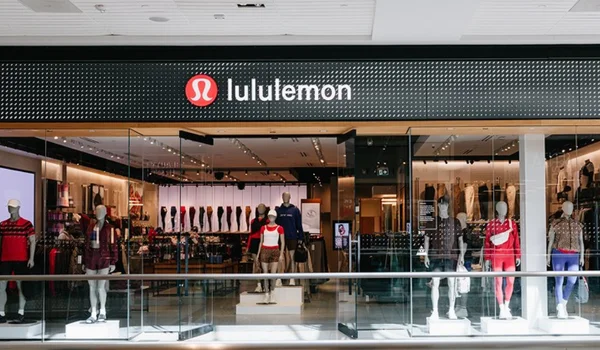
The investigation began on April 13, 2026, when Texas Attorney General Ken Paxton announced that his office had issued a Civil Investigative Demand to Lululemon USA Inc.
The inquiry focused on whether the company had misled consumers about the safety, quality and potential health effects of its athletic apparel. Investigators also sought to determine whether the company’s products complied with its stated chemical safety standards.
The Texas Attorney General’s Office raised concerns about per- and polyfluoroalkyl substances, commonly known as PFAS or “forever chemicals.” These substances have been used in various consumer and industrial products because they can resist water, oil, grease and stains.
According to the attorney general’s office, the investigation would examine Lululemon’s Restricted Substances List, product testing procedures and supply chain practices.
The state questioned whether consumers could reasonably expect the company’s wellness-focused and sustainability-related marketing to align with its chemical safety practices.
The investigation was an inquiry into potential violations, not a finding that Lululemon had broken the law. Source: Texas Attorney General’s Office.
What Are PFAS, and Why Are They Called Forever Chemicals?
PFAS are a large group of manufactured chemicals used in applications requiring resistance to water, oil, grease and heat. Some have been used in water-resistant clothing, stain-resistant fabrics, food packaging and other consumer products.
They are commonly called forever chemicals because many PFAS break down very slowly in the environment. Some can persist for long periods and accumulate in people, animals and the environment.
Scientific research has linked exposure to certain PFAS with health concerns, including changes in cholesterol levels, reduced immune responses, certain cancers and reproductive or developmental effects. The potential risk depends on the specific chemical, the amount and duration of exposure, and other factors.
These findings do not mean that every PFAS compound has identical effects or that wearing any particular garment automatically creates a significant health risk. The presence of a chemical, the level of exposure and the available scientific evidence must be assessed separately.
The U.S. Environmental Protection Agency provides additional information about PFAS, their uses and potential health and environmental effects.
Lululemon’s Response to the Investigation
When the investigation was announced in April, Lululemon said it had phased out PFAS from its products in fiscal year 2023. The company explained that the chemicals had previously been used in a small portion of its product range, particularly items featuring durable water-repellent properties.
The company also said it required vendors to conduct regular testing for restricted substances, including PFAS, through credible third-party agencies.
Following the settlement announcement in October, Lululemon reiterated that it does not use PFAS in its products.
The company stated that it had provided the Texas Attorney General’s Office with requested documentation, including third-party laboratory testing reports. According to Lululemon, the state did not identify PFAS in the products and materials reviewed.
Lululemon also described the agreement as a reaffirmation of its existing operating practices. The company said the agreement includes no admission of wrongdoing or liability and carries no financial penalty.
These are the company’s statements about the investigation and its findings. They should be distinguished from the attorney general’s original allegations and the obligations established by the settlement.
What Does the Settlement Require?
Under the Assurance of Voluntary Compliance announced by the Texas Attorney General’s Office, Lululemon must maintain and enforce chemical safety requirements across its supply chain for three years.
The principal requirements include:
- Independent testing or certification: Vendors must demonstrate compliance with the company’s Restricted Substances List through independent laboratory testing or valid third-party certifications.
- Verification of certifications: The company must verify that certifications are valid and require additional testing when certifications expire.
- Corrective action: Lululemon must take commercially reasonable corrective action when vendors fail to comply with applicable requirements.
- Ongoing oversight: The company must continue enforcing its chemical safety standards across its supply chain during the agreement’s three-year term.
The requirements are intended to strengthen oversight of materials used in Lululemon products and support compliance with its chemical restrictions.
The agreement does not, by itself, establish that all products have been independently tested for every possible chemical or that future noncompliance is impossible.
The full agreement is available through the Texas Attorney General’s Office.
A Brief History of Lululemon’s PFAS Policy
Lululemon’s chemical safety policy predates the Texas investigation.
The company says it has maintained a Restricted Substances List since 2011. This list sets restrictions on certain chemicals in products and is reviewed and updated to reflect regulatory requirements, industry practices and scientific developments.
PFAS have historically been used in some apparel applications, including durable water-repellent treatments. As concerns about their persistence and potential health effects increased, governments and companies introduced additional restrictions and phase-out policies.
In fiscal year 2023, Lululemon says it phased out PFAS from its products. The company has also described its supplier testing and third-party verification procedures as measures intended to prevent restricted substances from being reintroduced into its supply chain.
The timeline of the Texas case is as follows:
| Date | Development |
| 2011 | Lululemon says it established its Restricted Substances List. |
| Fiscal year 2023 | The company says it phased out PFAS from its products. |
| April 13, 2026 | Texas announced its investigation into possible PFAS concerns and consumer protection issues. |
| October 22, 2026 | Texas announced the three-year agreement with Lululemon. |
The timeline is based on statements from the company and the Texas Attorney General’s Office. It does not independently verify every historical product formulation.
What Does This Mean for Lululemon Customers?
The agreement places additional emphasis on supplier compliance, testing and chemical safety oversight. It also provides a formal framework under which the company must maintain the specified requirements during the three-year term.
Customers should not interpret the investigation as proof that Lululemon clothing contains dangerous levels of PFAS. Equally, the company’s statements should not be treated as proof that every possible chemical concern has been eliminated from every item.
Consumers who want more information about a particular product can review the company’s chemical safety disclosures and contact its customer service team with questions about materials, testing and product specifications.
For broader information about PFAS, consumers can consult the U.S. Environmental Protection Agency’s PFAS resources.
What Happens Next?
The Texas Attorney General’s Office says it will continue monitoring Lululemon’s compliance with the agreement. The three-year term establishes the period during which the settlement’s obligations will remain in effect.
The office has also said it is investigating other clothing companies, including Hanes and Fruit of the Loom, as part of broader efforts to examine potential chemical concerns in apparel, particularly children’s clothing.
Those investigations should be considered separately. An investigation does not establish wrongdoing unless supported by evidence and an applicable legal determination.
Conclusion
Texas’s settlement with Lululemon concludes the state’s announced investigation with a three-year agreement requiring continued chemical safety controls and supplier oversight. The case began in April 2026 amid questions about PFAS, product safety and consumer-facing marketing.
The most important factual distinction is that the settlement imposes compliance obligations but does not establish that PFAS were detected in Lululemon’s products, and the company has not admitted wrongdoing or liability. The agreement’s practical significance lies in its requirements for testing, certification verification and corrective action when suppliers fail to meet the company’s chemical safety standards.
The case also highlights the growing scrutiny of chemical management in the apparel industry, where product performance, supplier transparency and consumer confidence increasingly intersect.