Texas homeowners face some of the most challenging weather conditions in the United States. From intense summer heat and powerful UV exposure to hailstorms, high winds, heavy rain, and occasional hurricanes, a roof in Texas must handle extreme conditions throughout the year.
Choosing the best roofing materials for Texas weather is an important decision that affects your home’s protection, energy efficiency, maintenance needs, and long-term value. The right roofing system can reduce repair costs, improve indoor comfort, and help your home withstand Texas climate challenges.
This guide explains the best roofing materials for Texas homes, including their durability, costs, maintenance requirements, advantages, disadvantages, and expert tips to help homeowners make an informed choice.
Why Roofing Material Matters in Texas
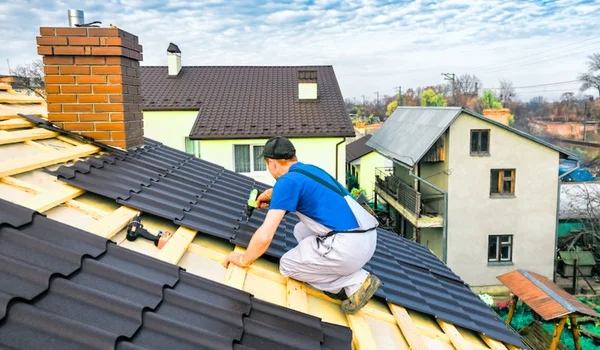
Texas has several climate zones, and roofing needs can vary depending on location.
Common weather challenges include:
- Extreme summer temperatures
- Strong sunlight and UV damage
- Severe thunderstorms
- Large hail
- High winds
- Heavy rainfall
- Humidity and moisture
- Hurricane risks in coastal areas
A roofing material that works well in Dallas may not always be the best option for homes near Houston, Corpus Christi, or other coastal regions.
The ideal Texas roof should provide:
- Heat resistance
- Wind durability
- Impact protection
- Moisture resistance
- Energy efficiency
- Long lifespan
Top Roofing Materials for Texas Weather
- Metal Roofing
Metal roofing is one of the best choices for Texas homes because of its durability and ability to handle extreme weather.
Common metal roofing types include:
- Steel
- Aluminum
- Copper
- Galvanized metal
Benefits of Metal Roofing
- Excellent heat resistance
- Long lifespan
- Strong wind protection
- Fire resistance
- Low maintenance
- Energy-efficient options available
Metal roofs can reflect sunlight, helping reduce cooling costs during hot Texas summers.
Average Cost
Metal roofing typically costs:
$8–$18 per square foot installed
A complete roof replacement may cost more depending on roof size, material quality, and labor.
Pros
✔ Lasts 40–70 years
✔ Resistant to fire and storms
✔ Energy efficient
✔ Requires minimal maintenance
Cons
✘ Higher upfront cost
✘ Can be noisy during heavy rain
✘ Repairs may require specialized contractors
Best For
- Texas homeowners seeking long-term durability
- Areas with frequent storms
- Energy-conscious homeowners
- Asphalt Shingles
Asphalt shingles are the most common roofing material in Texas because they are affordable, attractive, and widely available.
Types include:
- Three-tab shingles
- Architectural shingles
- Impact-resistant shingles
Benefits of Asphalt Shingles
- Lower installation cost
- Easy replacement
- Many style options
- Available from most roofing contractors
Modern impact-resistant shingles are especially useful in hail-prone Texas regions.
Average Cost
Typical cost:
$4–$8 per square foot installed
Pros
✔ Affordable
✔ Easy to install
✔ Wide variety of colors
✔ Good performance with quality products
Cons
✘ Shorter lifespan than metal or tile
✘ Can suffer damage from severe hail
✘ May absorb heat without reflective coatings
Lifespan
Approximately:
15–30 years
depending on quality, installation, and weather exposure.
Best For
- Budget-conscious homeowners
- Suburban homes
- Moderate climate areas
- Clay and Concrete Tile Roofing
Tile roofing is popular in parts of Texas, especially areas with Spanish and Southwestern architectural styles.
Benefits
- Excellent heat resistance
- Attractive appearance
- Long lifespan
- Resistant to moisture and insects
Clay tiles perform especially well in hot climates because they naturally help regulate roof temperatures.
Average Cost
Approximately:
$10–25 per square foot installed
Pros
✔ Can last 50+ years
✔ Excellent thermal performance
✔ Beautiful appearance
✔ Low maintenance
Cons
✘ Expensive installation
✘ Heavy weight requires strong roof structure
✘ Individual tiles can crack from impact
Best For
- Hot Texas regions
- Luxury homes
- Mediterranean-style properties
- Slate Roofing
Slate is considered a premium roofing material known for beauty and extreme durability.
Benefits
- Extremely long lifespan
- Natural stone appearance
- Fire resistant
- Low maintenance
Average Cost
Approximately:
$15–$35+ per square foot installed
Pros
✔ Can last over 100 years
✔ Premium appearance
✔ Excellent weather resistance
Cons
✘ Very expensive
✘ Heavy material
✘ Requires specialized installers
Best For
- High-end homes
- Historic properties
- Homeowners seeking maximum longevity
- Synthetic Roofing Materials
Synthetic roofing products are designed to imitate materials such as slate or wood while offering improved durability.
Common materials include:
- Synthetic slate
- Polymer roofing
- Composite shingles
Benefits
- Lightweight
- Weather resistant
- Lower maintenance
- Attractive designs
Average Cost
Approximately:
$6–$15 per square foot installed
Pros
✔ Durable
✔ Lightweight
✔ Resistant to cracking
✔ Modern appearance
Cons
✘ Quality varies by manufacturer
✘ Some products have limited availability
Best For
Homeowners wanting premium appearance without the weight or cost of natural materials.
- Cool Roofing Materials
Texas homeowners often consider cool roofing because of extreme summer heat.
Cool roofs use:
- Reflective coatings
- Light-colored materials
- Solar-reflective shingles
- Energy-efficient surfaces
Benefits
- Lower attic temperatures
- Reduced cooling demand
- Improved indoor comfort
Best For
- Central Texas
- West Texas
- Homes with high summer cooling costs
Best Roofing Materials by Texas Region
North Texas (Dallas–Fort Worth)
Common concerns:
- Hailstorms
- Tornado-strength winds
- Temperature changes
Recommended materials:
- Impact-resistant asphalt shingles
- Metal roofing
- Durable synthetic roofing
Central Texas (Austin, San Antonio)
Common concerns:
- Heat
- Sun exposure
- Storms
Recommended materials:
- Metal roofing
- Clay tile
- Energy-efficient shingles
Gulf Coast Texas (Houston, Corpus Christi)
Common concerns:
- Hurricanes
- Heavy rain
- Humidity
Recommended materials:
- Metal roofing
- Wind-rated shingles
- Concrete tile
West Texas
Common concerns:
- Intense sunlight
- Dry climate
- High temperatures
Recommended materials:
- Metal roofing
- Tile roofing
- Reflective roofing systems
Roofing Material Comparison Table
| Material | Lifespan | Cost | Weather Resistance | Maintenance |
| Metal | 40–70 years | High | Excellent | Low |
| Asphalt Shingles | 15–30 years | Low-Medium | Good | Medium |
| Clay Tile | 50+ years | High | Excellent | Low |
| Concrete Tile | 40–60 years | High | Excellent | Low |
| Slate | 100+ years | Very High | Excellent | Low |
| Synthetic Roofing | 30–50 years | Medium | Good | Low |
Roofing Maintenance Tips for Texas Homes
Even the best roofing material requires regular care.
Inspect Your Roof Twice a Year
The best times are:
- Spring
- Fall
Look for:
- Missing shingles
- Cracked tiles
- Loose flashing
- Water stains
- Damaged gutters
Clean Gutters Regularly
Blocked gutters can cause:
- Water damage
- Roof leaks
- Foundation problems
Cleaning should be done several times per year, especially after storms.
Check After Severe Weather
Texas storms can cause hidden damage.
After hail or strong winds:
- Inspect visible roof areas
- Look for fallen debris
- Schedule professional inspections if needed
Maintain Proper Attic Ventilation
Good ventilation helps:
- Reduce heat buildup
- Extend roof lifespan
- Prevent moisture problems
Common Roofing Problems in Texas
Hail Damage
Hail can cause:
- Cracked shingles
- Damaged tiles
- Dented metal panels
- Roof leaks
Impact-resistant materials can reduce damage.
Heat Damage
Extreme temperatures can cause:
- Shingle deterioration
- Material expansion
- Sealant failure
Reflective roofing helps manage heat exposure.
Wind Damage
Strong Texas winds can:
- Lift shingles
- Damage flashing
- Remove roofing materials
Proper installation is essential.
Water Damage
Heavy rainfall can lead to:
- Leaks
- Mold growth
- Structural damage
Regular inspections help prevent costly repairs.
Cost Factors for Roof Replacement in Texas
Several factors influence roofing costs:
- Roof size
- Material choice
- Labor costs
- Roof design
- Removal of old roofing
- Underlayment quality
- Permits
- Storm damage repairs
A basic asphalt roof may cost several thousand dollars, while premium materials like slate or high-end metal can cost significantly more.
Expert Tips for Choosing a Texas Roof
- Consider Local Weather First
Choose materials based on your area’s climate, not only appearance.
- Invest in Quality Installation
Even the best roofing material can fail if installed incorrectly.
Hire contractors who:
- Are licensed where required
- Have Texas experience
- Provide warranties
- Have strong reviews
- Look for Impact Ratings
Texas homeowners in hail-prone areas should consider impact-resistant roofing products.
- Think Long-Term
A cheaper roof may save money today but cost more through frequent repairs.
Consider:
- Lifespan
- Maintenance
- Energy savings
- Resale value
- Check Insurance Requirements
Some insurance companies offer discounts for:
- Impact-resistant roofs
- Wind-rated materials
- Storm-resistant upgrades
Frequently Asked Questions
What is the best roofing material for Texas heat?
Metal roofing, clay tile, and cool roofing systems are excellent choices because they reflect heat and handle extreme temperatures.
What roofing material lasts the longest in Texas?
Slate, clay tile, and high-quality metal roofing can last 50 years or more with proper maintenance.
Are metal roofs good for Texas weather?
Yes. Metal roofs perform very well against heat, wind, fire, and storms, making them one of the most durable choices for Texas homes.
What is the most affordable roofing option in Texas?
Asphalt shingles are usually the most affordable roofing material and are widely available throughout Texas.
Should Texas homeowners choose impact-resistant shingles?
Yes, especially in areas like North Texas where hailstorms are common. Impact-resistant shingles may reduce storm damage and insurance costs.
How often should a Texas roof be inspected?
Experts recommend inspecting your roof at least twice a year and after major storms.
Final Thoughts
Choosing the best roofing materials for Texas weather requires understanding your local climate, budget, and long-term goals. Texas homeowners face extreme heat, hail, storms, and high winds, so durability should be a top priority.
Metal roofing, clay tile, impact-resistant asphalt shingles, synthetic materials, and other modern roofing options can provide excellent protection when properly installed and maintained.
The best roof is not always the cheapest option—it is the one that provides reliable performance, energy efficiency, and protection for your home over many years. By selecting the right material and working with an experienced Texas roofing professional, homeowners can create a safer, more comfortable, and more valuable property.